Women's Day Special: “Life of a Waste Collector and the formation of SWaCH”
Anil Malla, SYBAJMC, Vishwakarma University

Courtesy – swachcoop.com
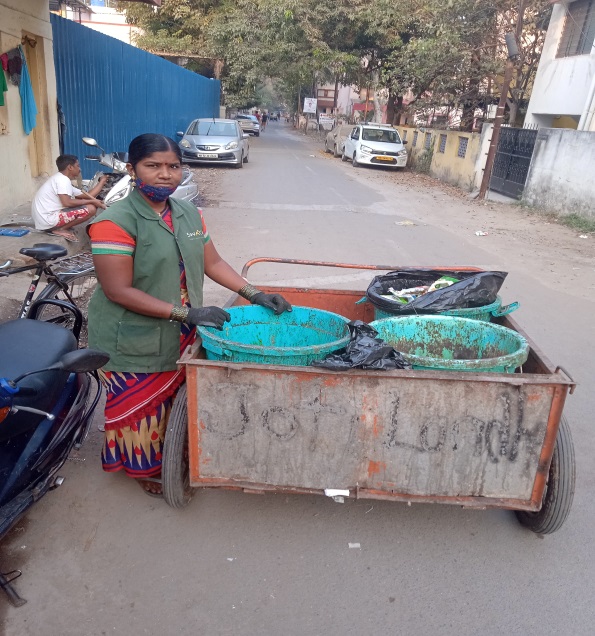
Jyoti Londhe is been working for SWaCH Waste Management for about 15 years, as a waste collector. SWaCH is India’s first completely owned cooperative of self-employed waste collectors. It is an autonomous enterprise that provides front-end waste management services to the citizens of Pune.
In 1993, several waste collectors and waste buyers in Pune and Pimpri Chinchwad came together to form Kagad Kach Patra Kashtakari Panchayat (KKPKP), it is a membership-based trade union. KKPKP aimed to establish and assert waste collectors contribution to the environment, the status of workers and their crucial role in the Solid Waste Management of Pune city. At present, the union has around 9000 members, 80% of whom are women from socially backward and marginalized sections of the society. Members are been given I-cards that are endorsed by the PMC, and can avail benefits like educational support for their children, life insurance and interest-free loans.
In 2000, the new MSW laws and rules were passed, which required segregation of waste, door to door waste collection, and waste processing instead of dumping. There was also a movement towards reducing containers on the street and making the city ‘container-free’, for better sanitary conditions and cleanliness. KKPKP took this opportunity to improve the working conditions of waste collectors. In 2005, KKPKP launched a pilot programme in collaboration with PMC, where waste collectors were integrated in door-to-door waste collection.
The pilot scheme was implemented in collaboration with the Department of Adult Education, SNDT Women’s University, it was operational between 2006-2008 and enabled 1500 waste collectors to become service providers for the door-to-door collection of waste from 1,25,000 households in Pune city. This considerably improved their working conditions and improved their livelihoods, effectively bridging the gap between households and the municipal waste collection service.
Jyoti said that the door to door collection is sent to V-Collect events where recycling of old electronic items, furniture, kitchen utensils, bicycles, etc is been done. Jyoti mentioned that SWaCH is partnering with Pune Municipal Corporation and ITC to collect and recycle Multi layered packaging (plastic) waste. She further added that SWaCH enables organisations to meet regulatory requirements for the safe disposal of e-waste.
When asked about her salary and financial conditions, Jyoti answered that she earns around 10 to 12 thousand rupees which includes both salary and door to door collection fee. She added that “this is not enough for a better lifestyle because there is too much inflation after the covid-19 pandemic, food items, mobile recharges, school bus fee, LPG cylinders, petrol, edible oil, clothes, etc everything is expensive we don’t have enough purchasing power”. Jyoti’s children are studying in a government school in online mode, she said that “we cannot afford extra tuitions or coaching classes for the children due to financial problems, they have discontinued attending tuition classes”.
At the end of the interview when asked about her personal safety and hygiene during her work Jyoti said that SWaCH is providing safety gloves, respiratory and dust masks, safety coveralls, safety hats/helmets, ear protection, safety eye protection and hand sanitizers.
By – Anil Malla

Women’s Day Special: A Thelewali With An Unbending Will
Siddhi Dharmadhikari, Third Year BA.JMC, Journalism Specialization
February 28, 2022
One of the consequences of lockdown measures in the country has led to an unprecedented migration of workers and families from large urban centers to rural India. After the first lockdown in-country, workers immediately returned to their native places.
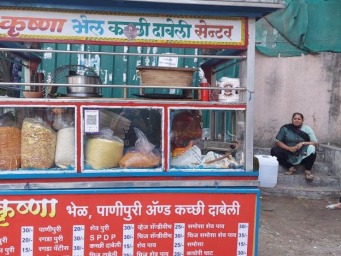
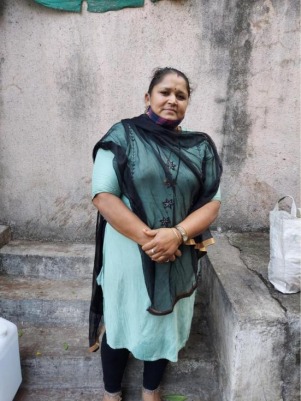
Mrs. Laxmi Aheer, a Thelewali Bhabhi, who owns a street food stall, “Krushna Bhel Kacchi Dabeli Center” at Vishwakarma University is one of those people who faced the wrath of Covid-19.
On March 18, 2020, Laxmi and her husband Madanlal Aheer and their two children went to Rajasthan as the government informed them about the upcoming lockdown.
While talking about her difficulties, Laxmi explained that it was one of the terrifying moments for the family. She said, "Unlike employees, we do not get paid at the end of the month. This sudden lockdown affected us so much that we had to return to our hometown in Rajasthan."
"What are we going to do now? This was the only thing I could think about during the entire journey," she added.
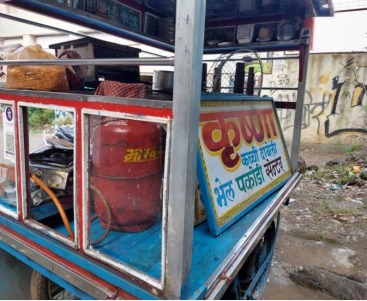
Laxmi used to earn Rs eight thousand to ten thousand daily at the campus. Laxmi informed, “It was a satisfying income for us. But when lockdown started it felt like our worst nightmare had begun". She further added, "In Rajasthan, we started doing farming to earn money. We borrowed Rs two lakhs from money lenders. My husband used to drive the tractor while I used to look after the farm."
In November 2021, Laxmi returned to Pune with her family. While sharing her experience, she said, “We were so happy when we were coming back to Pune. The experience was unforgettable. I was continuously praying and thanking God for giving us another opportunity.
She added, "I was imagining my kids going back to their tuition because earlier we could not afford the finances. We were feeling so guilty for ruining our children’s studies but what more we could do. While returning to Pune, we borrowed Rs. fifty thousand to buy ingredients for our thela".
But Laxmi's happiness did not last long as everything was closed when she arrived.
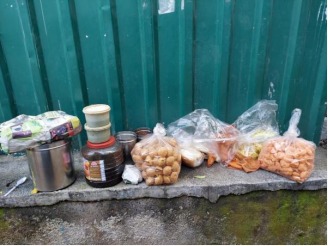
Covid-19 did engrave its impact on us. But the same impact was relatively worse for people like Laxmi and her family who were dependent on their Thela to sustain themselves.
She concluded by saying “The campus is now open so I am not going to cry while disturbing my God again and again."
While laughter was echoing in the surroundings and tears covered Laxmi's eyes, she said, "We will get through this Didi. Bhaiyya and I are very strong."
Siddhi Dharmadhikari
बुक-कॅफे: पुस्तक प्रेमींसाठी स्वर्ग ठरलेलं असं किताबी चाय!
मूळ लेखक: मनीषा स्वाइन, तृतीय वर्ष, बीएजेएमसी
अनुवादक: सिद्धी धर्माधिकारी, तृतीय वर्ष, बीएजेएमसी
१ मार्च, २०२२
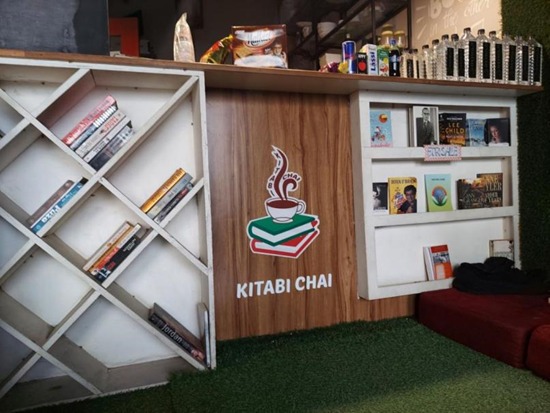
असे म्हणतात की "स्वप्नांपासून यशापर्यंतचा मार्ग अस्तित्वात असतो, परंतु तो शोधण्याची दृष्टी, त्यावर जाण्याचे धैर्य आणि ते अनुसरण करण्यासाठी चिकाटी असणे आवश्यक आहे."
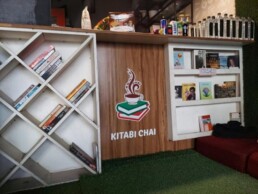
माजी कॉर्पोरेट कर्मचारी असलेल्या गीतिका आनंदने आपल्या स्वप्नाकडे एक पाऊल पुढे टाकले आणि स्वतः चे "बुक कॅफे" उघडण्याचे तिचे स्वप्न पूर्ण करण्याचे धाडस केले. 'किताबी चाय' हे मार्व्हल संगरिया, NIBM रोड, कोंढवा, पुणे येथे तिसऱ्या मजल्यावर आहे. हे शहरातील लोकप्रिय बुक-कॅफे आहे. कॅफेमध्ये ५०० पेक्षा अधिक फिक्शन व नाॅन फिक्शन पुस्तकांचा संग्रह आहे.
कॅफेचे आतील सजावट आणि त्याला पूरक ठरलेलं वातावरण हे मन एकाग्र करण्यासाठी मदत करते. आणि त्यात पुस्तक, एक कप चहा आणि विंडो सीट.....आता सुख म्हणजे नक्की अजून तरी काय असतं?
गीतिका आनंद, संस्थापक, किताबी चाय आपला प्रवास सांगताना म्हणाल्या, "मी कॉर्पोरेट उद्योगात नऊ वर्षे काम केलं, पण मनात एक हुरहूर होती. मन सतत खायला उठायचं. एके दिवशी 'गीतिका तुझं स्वप्न मागेच राहिल' अशी स्वतः चीच हाक स्वतःला ऐकू आली आणि राजीनामा देण्याचा निर्णय घेतला. तीन वर्ष झाली आहेत किताबी चाय बरोबर पण एकदाही मागे वळून बघण्याची इच्छा झाली नाही. "

बुक कॅफे सुरू करण्याच्या तिच्या प्रेरणेबद्दल बोलताना ती म्हणाली, “गेल्या पंधरा वर्षांपासून कॅफे उघडण्याचे माझे स्वप्न होते, म्हणून जेव्हा मी NIBM भागामध्ये शिफ्ट झाले तेव्हा माझ्या लक्षात आले की पुण्याच्या या भागात असं कॅफेच नाहिये जिथे लोक घरासारख्या वातावरणमध्ये काम करू शकतात. मी स्वतः अश्या जागांची फॅन आहे, त्यामुळे कळत-नकळत माझं हरवलेलं स्वप्न पूर्ण करण्याची इच्छा झाली. आणि अशाप्रकारे किताबी चायची सुरुवात झाली."
कॅफेमध्ये गीतिकाने पुस्तके विकण्यासोबत ती किरायाने देणेही सुरू केले आहे. ज्या ग्राहकांना पुस्तके किरायाने घ्यायची असतात त्यांना २ आठवड्यांचा कालावधीत पुस्तके परत करावी लागतील.
स्वप्न पाहिलं, ते पूर्ण करायची तयारी दाखवली आणि अखेर ते स्वप्न पूर्णत्वास आलं. पण हा प्रवास सोपा नव्हता. तिसर्या मजल्यावर कॅफे असल्यामुळे त्याचे तोटे होते. लोकांना कॅफे शोधणे खूप कठीण वाटले. कॅफेमध्ये गर्दी करणे शक्य नव्हते कारण जागेचा अभाव होता.
परंतु म्हणतात ना, 'जेव्हा स्वप्न पूर्ण करण्याची जिद्द असते तेव्हा ते स्वप्न पूर्ण होण्यापासून कोणीही अडवू शकत नाही', तसेच काहीतरी गीतिकाच्या बाबतीतही झाले. जरीही कॅफे तिसर्या मजल्यावर आहे तरीही लोकांनी सतत कॅफेला भेट द्यायला सुरुवात केली, गीतिका म्हणतात की मिळालेला प्रतिसाद हा सकारात्मक होता

पण लवकरच, COVID-19 मुळे, कॅफे बंद करावा लागला. पण कोरोना काळातही किताबी चाय मध्ये येण्यासाठी ग्राहक आधीपासून नोंदणी करून ठेवायचे.
गीतिका म्हणाल्या, “असे सहाय्यक ग्राहक मिळाल्याने मी किती धन्य आणि अभिमानास्पद आहे हे मी व्यक्त करू शकत नाही. लोक आधीच पुस्तकासाठी किंवा त्यांच्या येण्याची नोंदणी करून ठेवायचे कारण सोशल डिस्टन्सिंग पाळणे आम्हालाही गरजेचे होते."
शिवाय याच लॉकडाऊनमध्ये किताबी चायने पुस्तके अख्या भारतात विकायला देखील सुरुवात केली आहे.
गीतिका सांगतात, "किताबी चाय हे ग्राहकांमुळे आज उभे आहे. तर हे आमचे ग्राहक आहेत जे किताबी चायच्या अस्तित्वाला कारणीभूत ठरतात. किताबी चाय ला भरभरून प्रेम देतात, माया देतात, आधार देतात."
ते म्हणतात ना स्वप्न सगळेच पाहतात पण ते पूर्णत्वास आणणारे हे फारच कमी असतात. गीतिका आनंद ह्यांनी स्वप्नं पाहायचं धाडस तर केल पण ते स्वप्न पूर्ण करण्यासाठी स्वतःच सर्वस्वदेखील जोखून दिल! जेव्हा एखादी व्यक्ती स्वत:ची सर्वोत्तम आवृत्ती होण्यासाठी आव्हान देते तेव्हा काय होते याचे उदाहरण गीतिकाची कथा देते.
सिद्धी धर्माधिकारी