Savitri in Search of Jotiba...
In the drought-stricken district of Dharashiv, a group of determined women farmers is challenging traditional gender roles to combat the harsh realities of agricultural distress. Rajshri Mane, Rohini Ghodke, Komal Shinde, Sujata Patil and many other are breaking barriers and reshaping their communities' perceptions of women's roles in agriculture.
When these women first proposed stepping out of their homes to seek solutions for their struggling families, they encountered resistance from their husbands and the community. "Do whatever you want by staying at home and working in the field. You don’t have to change the route from home to farm and farm to home and go anywhere else. You are a woman and do what has been assigned to you. We will take care of the situation," was the common response they received.
In many villages, the idea of women leaving their homes to pursue endeavors beyond their traditional roles is considered taboo. However, the severity of drought and unseasonal rains devastating crops have pushed these women to take action.
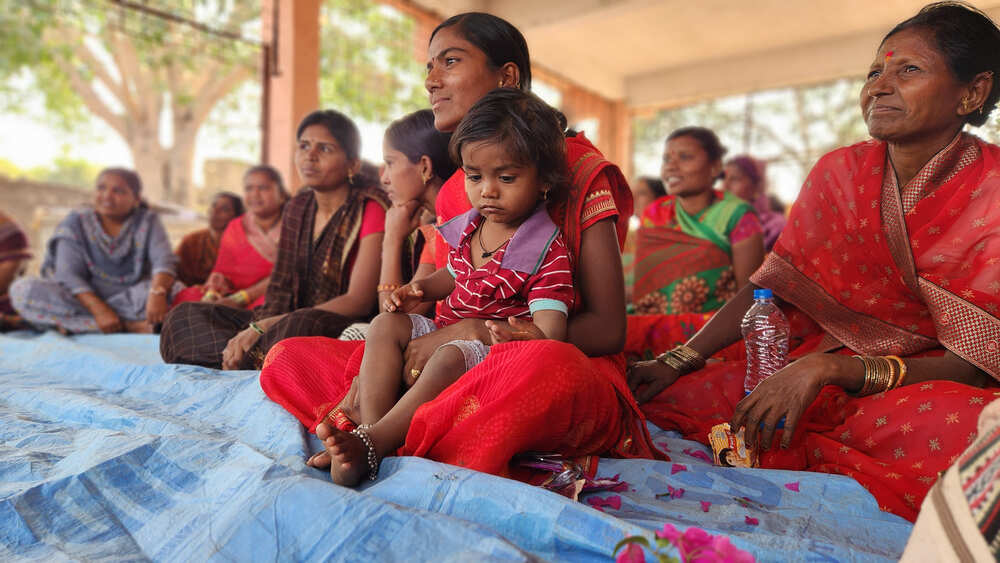
Empowering Women in Agriculture
Despite facing societal pressures, these women are determined to improve their families' lives. They recognize that agriculture is not just a man's domain; it is a vital source of livelihood for many women as well.
Interestingly the agricultural sector in India serves as the primary employer for 80 percent of economically active women in the country. Among these women, 33 percent constitute the agricultural labor force, and 48 percent are engaged as self-employed farmers.
Research conducted by the Indian Council of Agricultural Research (ICAR) indicates that women's participation is substantial across various aspects of agricultural activities, with a rate of 75 percent in the production of major crops, 79 percent in horticulture, 51 percent in post-harvest work, and 95 percent in animal husbandry and fisheries.
To address the challenges posed by drought and other adversities, these women have decided to step out of their homes. They are seeking training from local NGOs and government institutions in agri-allied businesses and other skills like sewing.
Drawing Inspiration from Savitribai Phule
However, stepping out of their homes was not easy. The women faced criticism and gossip from their communities. Some villagers questioned their motives and spread rumors, but these women remained steadfast in their resolve. They are determined to secure a better future for their families, ensuring that their children have enough food to eat and can go to school.
These women draw inspiration from Savitribai Phule, a pioneering figure in the field of women's education in India. Despite facing immense opposition and adversity, Savitribai continued her mission to educate girls. These women see themselves as modern-day Savitribais, fighting against entrenched gender norms and societal expectations.
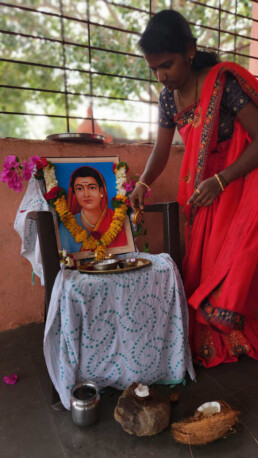
As they prepare for an NGO meeting in the village temple, these women place a picture of Savitribai Phule on a chair and perform a puja. "There are Savitribais in all these villages; the search for Jotiba seems unending," says Rajshri, referring to Jotiba Phule, Savitribai's husband and a social revolutionary.

Poetry: The Expression that Empowers!
Poetry is a timeless form of artistic expression that empowers individuals to convey their deepest emotions, thoughts, and experiences in a unique and profound way.
When students recited their own poetries recently in the special session organized by the Department of Journalism and Communication at Vishwakarma University, they created rich and evocative world that resonated with everyone on a deep and personal level.
Why poetry? Because one of the key ways in which poetry empowers individuals is by providing them with a voice to express their innermost thoughts and emotions. For many people, writing poetry is a cathartic and therapeutic process that allows them to explore their own feelings and experiences in a safe and creative way. By putting their thoughts into words, poets are able to gain a deeper understanding of themselves and the world around them, which can be incredibly empowering.
Poetry has the power to inspire and uplift others, serving as a source of strength and comfort in difficult times. Poets often use their words to shine a light on important social issues, such as injustice, inequality, and discrimination, and to advocate for change. Through their poetry, they are able to give a voice to the voiceless and to challenge the status quo, empowering others to do the same.
Poems presented by students evoked a sense of wonder and awe in those who were present in the audience, transporting them to a different time or place. This aesthetic appeal is empowering in its own right, as it allows individuals to appreciate the beauty of language and the power of human creativity.