
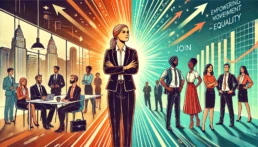
A story of finance associate
In many workplaces, gender discrimination and male dominance continue to be
significant challenges that women face, regardless of their level or nationality. This
issue is particularly evident in the experiences of finance associate Jecika ( Name
Changed) finds herself in an environment where her contributions are undervalued
and her professional potential is often overlooked due to deep-rooted gender
biases.
Pranav Khatri
As finance associate, her decision-making responsibilities are not particularly
challenging given that she does not hold a managerial position. However, the
workplace dynamics shift considerably when she interacts with other departments,
especially where a female manager from abroad is involved. This manager, hailing
from a different country, likely brings with her diverse perspectives and innovative
approaches. Yet, instead of being appreciated for her diversity and expertise, she
faces resistance from her male colleagues. She says, “These men, struggling with
the notion of taking directives from a woman, especially one who is not from their
country—often resort to undermining her authority and making her decision-
making process unnecessarily difficult.”
This scenario underscores a broader issue: the systemic gender-based challenges
that women face in the workplace. Along with her, female foreign managers in the
company have witnessed the reflection of patriarchy. She claimed,” Contributions
and achievements of my female manager were consistently undervalued
compared to those of her male counterparts. This inequity reveals a toxic
organizational culture where gender bias is deeply ingrained, leading to a
workplace environment that stifles the professional growth of women and
prioritizes male perspectives.”
When asked about the impact of gender based discrimination and biases on
work culture, she said. “The persistence of such gender discrimination can have a
profoundly demoralizing effect on female employees. It not only limits their career
advancement but also reinforces a culture that diminishes the importance of
diversity and inclusion. Women like the associate and the female manager must
navigate these daily challenges, continually striving to assert their competence and
authority in the face of pervasive gender biases.”
The workplace described here is a microcosm of a larger societal issue. The
resistance faced by women, especially those in leadership positions, is a reflection
of enduring patriarchal attitudes that refuse to recognize the equal capabilities and
contributions of women. She says that addressing these issues requires a concerted
effort from organisations to dismantle the structures that perpetuate gender
discrimination and to foster a culture of true equality and respect for diversity.
In conclusion, the challenges faced by the associate and the female manager
highlight the urgent need for change in workplace cultures that continue to
marginalize women. By acknowledging and actively combating gender bias,
organizations can create environments where all employees, regardless of gender
or nationality, are valued equally for their contributions and can thrive
professionally.

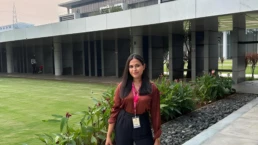
Leading with Purpose: Rhea Sovani’s Fight for Equality in Media
Rhea Sovani’s journey is one of determination, passion, and resilience. At just 28, she is the Founder and CEO of Hype & Co., a thriving firm with clients across India and Singapore. But her path to success didn’t begin with an immediate leap into entrepreneurship; it started with humble beginnings as a journalism student.
Bani Thakur
While pursuing her studies, Rhea took on copywriting work and gained experience at an agency, where she learned the ins and outs of the industry. Her hard work and perseverance eventually paid off when she founded Hype & Co., turning her dream into reality. Reflecting on the moment she achieved this milestone, Rhea said, “It was such a beautiful feeling. When the dream you’ve been chasing finally comes true, you’re left with nothing but happy tears and a sense of accomplishment.”
When asked about the challenges women face in the media industry, Rhea was candid. She acknowledged that while women have made significant strides in the field, gender inequality remains a pressing issue. "The media industry plays a huge role in shaping stories and public opinion, yet it still struggles with gender equality. Women have made great progress and are a major part of the industry, but it can be challenging. You need to be dedicated and have a true passion for it to thrive.”
Rhea also shed light on the obstacles female journalists, producers, and media leaders often face. Despite their critical roles in shaping narratives, their abilities are frequently questioned or undervalued. "The push for gender equality in media isn’t just about visibility; it’s about being truly respected and appreciated for the work we do," she emphasized.
Sharing her personal experiences, Rhea recalled instances where clients pressured her to lower her fees, underestimating the hard work and effort required to deliver high-quality results. She also faced wage discrimination, being paid less than male colleagues with similar experience. Moreover, during her time at a company, she noticed how workloads were unevenly distributed, with more tasks being assigned to her simply because she was a woman.
When asked about the impact of increased diversity behind the scenes—particularly in writing, directing, and producing—Rhea noted that having women in these roles significantly influences how women are portrayed in the media. "When women are involved in creating stories, they bring different perspectives, making female characters more realistic and well-rounded, especially in OTT platforms. This helps break old stereotypes and inspire viewers, leading to a more equal and fair media landscape."
On how these stereotypes can be changed, Rhea firmly believes that the more women enter the industry and prove their capabilities, the more these stereotypes will diminish. Encouraging and supporting independent creators, who are often more open to breaking stereotypes, can also drive change.
As a final piece of advice to women entering the media industry, Rhea said, “Believe in yourself and your voice. The media world can be tough, but your perspective is valuable and needed. Don’t be afraid to share your ideas. Surround yourself with a strong network of people who support you. Be patient and consistent. Change doesn’t happen overnight, but every small step you take opens the door for future women in the industry. Always remember, your role helps shape the future of how women are seen in the media."
Rhea Sovani's story is a testament to the power of perseverance and the importance of representation. Through her work and experiences, she continues to pave the way for more women to rise and thrive in the media world.