
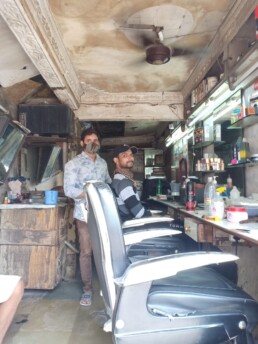
Hospital Treatment only to the Rich: Nand Kishore Verma
Indore, October 23, 2020 (VUCCD News service)
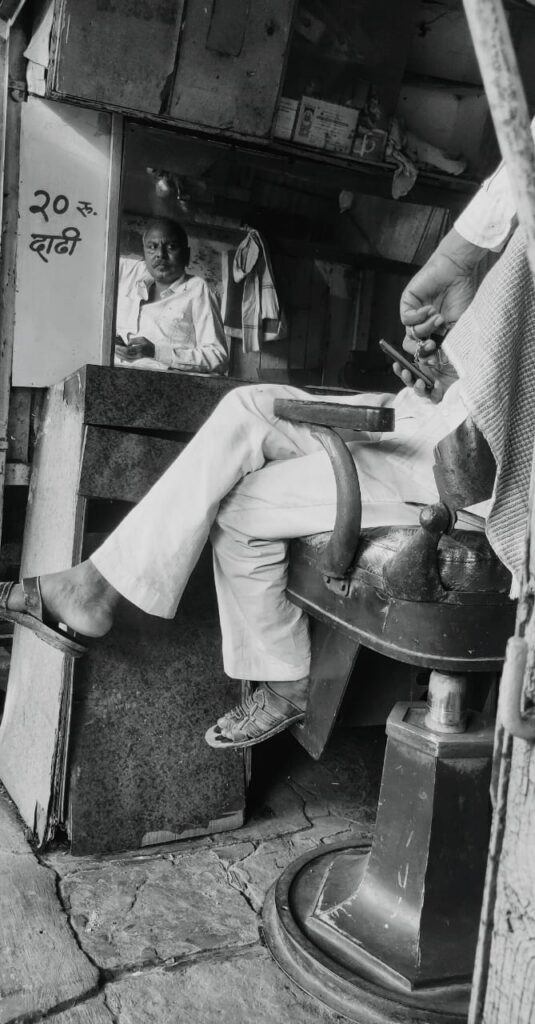
You get hospital treatment only if you have savings of rupees four to five lakhs and if you pay a hefty advance. From the ward boy to a doctor, they expect only money first. Even a critical patient remains on the porch for several hours before the treatment may begin.
This criticism is not from merely a frustrated ordinary citizen. The lament is by Mr. Nand Kishore Verma, two-time Madhya Pradesh minister of state, the National President of Bharatiya Sen Samaj, who is also the former state President of Kesh Shilpi Mandal. This is not only in the case of corona patients, but for the victims of heart attack or road accidents, he said in an interview with this reporter.
He said the fate of the barbers during the Covid 19 was worse. As compared to most other communities, the barbers had to be in close contact with the customers. The customers stayed away because of the corona. The barbers, therefore, suffered during the last six-seven months when their shops and saloons had to be closed down as per the government orders.
The shop owners could not pay shop and house rents. Ration, kirana, vegetables and other essentials were difficult to procure. Electricity bills, children’s tuition fees and employees’ wages could not be paid. Most had incurred debt of about Rs one lakh each.
Mr Verma said this was not the situation for the community only in Madhya Pradesh, but also in Uttar Pradesh, Bihar and elsewhere in the country. My information is that about 100 barbers committed suicides, he said.
The governments did make, initially, an all-out effort to help the barber families with subsidies and food grains. Electricity bills were condoned. However these benefits did not reach all the needy all the time later on. He has urged the government agencies to ensure that the people did not suffer.
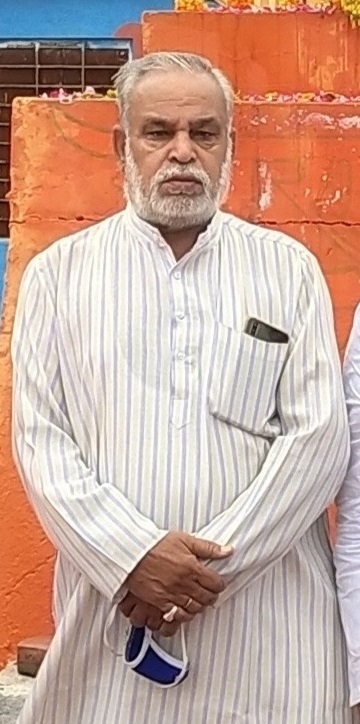
‘I agree that only the government agencies cannot be expected to bear all the burden to serve the people. Therefore, our Sen Samaj did their bit by distributing food packets and offering monetary assistance to the needy with the help from MPs, MLAs and NGOs. For 35 days we distributed 4000 food packets near his residential area. We helped migrant workers by providing food and water’, he said.
‘Our Samaj has now begun creating awareness among men and women to take up other sources of income. For example, they should consider setting up shops of fruits and vegetables, tailoring shops and learn soft skills. The government and non-government agencies will be willing to support such sources of income, he added’, Mr Verma added.
By Mohini Sharma (Second Year), Department of Journalism and Mass Communication, Vishwakarma University, Pune.

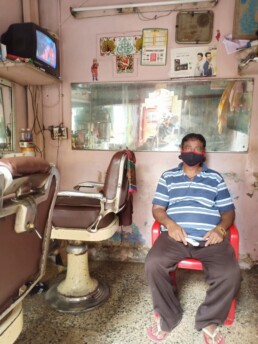
केशकर्तनालय व्यावसायिकांचा खडतर जीवन संघर्ष.. हातातोंडाची गाठ पडणे मुश्कील, पण धीराने सामना
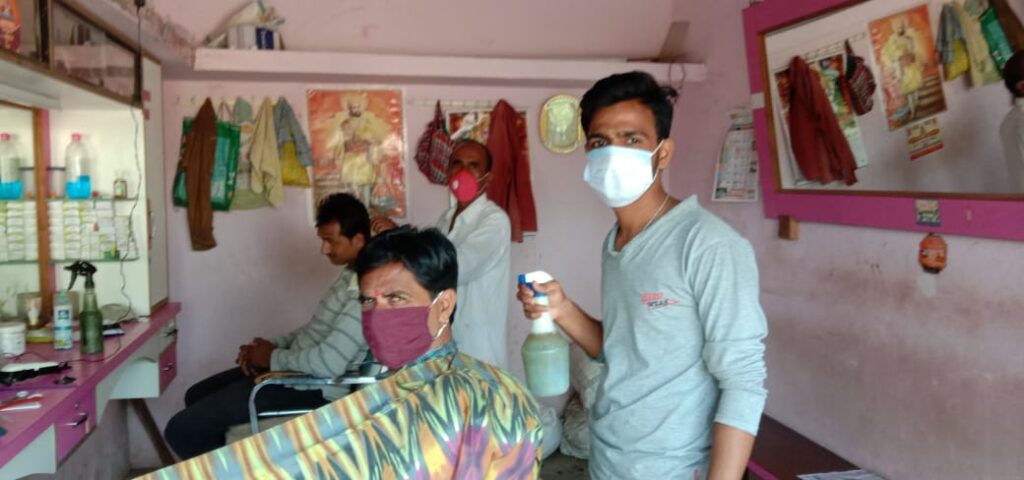
पुणे, ऑक्टोबर ५, २०२० (वि वि वि वा के) : कोविड १९ च्या या काळात सर्वात कठीण परिस्थिती असणाऱ्यामध्ये केशकर्तनालयाचे मालक आणि त्यांचे कर्मचारी यांचा समावेश करता येइल . पण हे व्यावसायिक या खडतर काळाचा सामना धीराने करीत आहे असे एका पाहाणीत आढळून आले आहे. या व्यावसायिकांनी आता हळूहळू व्यवसाय पूर्वपदावर येत असल्याचे या पाहणीत त्यांनी सांगितले. मात्र अद्यापही हातातोंडाची गाठ पडणे मुश्कील झाले आहे.
पुण्याच्या विश्वकर्मा विद्यापीठातील पत्रकारिता आणि जनसंज्ञापन विभागाच्या विद्यार्थ्यानी नुकतीच आपापल्या मूळ गावात ही नमुना पाहणी केली. पुणे, इंदूर-पिथठपूर (मध्य प्रदेश), विजापूर (कर्नाटक), जमशेदपूर , यवतमाळ, अहमदनगर जिल्हात श्रीरामपूर तालुक्यातील पाथरे, मलकापूर जवळचे कराड या ठिकाणी त्यांनी ही माहिती त्यांनी मिळवली.
शासनाने जून,२८ पासून केशकर्तनालय आणि ब्युटी पार्लर यांना व्यवसाय परत चालू करायला परवानगी दिली, पण सोशल डिस्टन्सिंग चे कडक निर्बंध कायम ठेवले. त्यातुन हे व्यावसायिक कशी वाटचाल करीत आहेत याची माहिती घेणे हा या पाहणीचा उद्देश होता, यातील ठळक निष्कर्ष पुढील प्रमाणे:
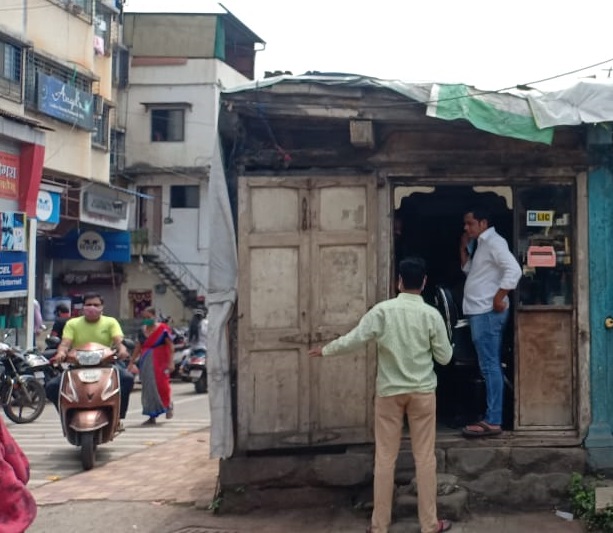
- मार्च मध्ये लोकडाउन सुरु झाले तेव्हा देशात सर्वच क्षेत्रात होते तसेच केशकर्तनालये देखील बंद झाले. जमेल त्यांनी आपापल्या मूळ गावी परत जाऊन काही धडपड करून पाहिली. अनेकांची उपासमार झाली.
- शासनाचे निर्बंध हळूहळू कमी व्हायला लागले, पण बंद पडलेली दुकाने अजून पूर्ण क्षमतेने व्यवसाय करू शकत नाहीत, अनेकांची उपासमार आजही होतेच आहे.
- त्या उलट शासनाने दिलेली आश्वासने पूर्ण झालेली नाहीत, सेफ्टी किट्स, मास्क आणायला लावली.
- पण ही गुंतवणूक करून सुद्धा अद्याप ग्राहक पूर्वीच्या संख्येने येत नाही.
- व्यावसायिक, त्यांचे कुटुंबीय आणि ग्राहक यांच्या साठी एवढी गुंतवणूक परवडत नसताना देखील करावीच लागते.
- पुण्यात भांडारकर पथावर असलेल्या बटरफ्लाय पार्लरचे पार्टनर श्री शामराव काशीद यांनी ग्राहकांच्या घरी जाऊन सेवा द्यायला सुरुवात केली. त्यांच्या पार्लर चे जुने ग्राहकच मुख्यतः घरी बोलावतात. त्यांनी शिफारस करून काही नवीन ग्राहकही त्यांना मिळालेले आहेत. डिस्पोजेबल पर्सनल प्रोटेक्षन इक्विपमेंट किट यासाठी खर्च करावाच लागतो. त्याचा भार ग्राहकांवरच पडतो. त्यामुळे दर जास्त ठेवावा लागतो. त्यामानाने ग्राहकांची संख्या खूप कमी झाली आहे. तरी सुद्धा सुजाण ग्राहक हे ज्यादा पैसे द्यायला तयार होत आहे ही एक चांगली बाजू आहे.
- लगतच्या गोखलेनगर भागातील योगेश मोरे यांच्या दुकानात तीन सेवक होते पण लॉकडाउनच्या काळात ते उत्तर प्रदेशात आपल्या गावी गेले. त्यानंतर ते अद्याप परत आलेच नाहीत.
- काहीजण घरी सेवा घ्यायला बोलावतात पण सन्मानपूर्वक वागणूक मात्र देत नाहीत. कुठेतरी कोपऱ्यात, जिन्या खाली, कार पार्क मध्ये आम्ही अशी सेवा द्यावी अशी अपेक्षा असते. जास्तीचा खर्च देणे सुद्धा त्यांना जिवावर येते.
- पुण्यातील भवानी पेठेत शेख वसीम यांचेदेखील केशकर्तनालय मार्चपासून बंद होते. पूर्वी महिन्याला पंचवीस-तीस तरी ग्राहक यायचे, आता पाच-सहा आले तरी नशीब अशी अवस्था आहे.
- जितेंद्र चव्हाण. पीथमपुर, मध्य प्रदेश. यांचे बंधू देखील त्यांच्याच दुकानात काम करतात याखेरीज आणखी एक व्यवसायिक त्यांच्यासारखेच अडचणीत आले. सगळ्यांना किराणा उधार उसनवार आणि कर्ज यावर दिवस काढावे लागले.
- ओळखीच्या लोकांनी मदत केली. या बिकट परिस्थितीत त्यांच्या शाळेत जाणाऱ्या मुलांना ऑनलाइन प्रशिक्षणासाठी मोबाईल फोन विकत घेणे अपेक्षित होते. पण त्यासाठी पैसे कोठे होते! त्यामुळे अद्याप मुलं शाळेत जाऊ शकलेले नाहीत. शिक्षण बंदच आहे.
- भवानी पेठेतच अब्रार शेख यांचेही दुकान आहे. आधी पूर्ण बंद ठेवावे लागले. जुलैमध्ये दहा-पंधरा ग्राहक आले. पण अद्याप त्यांना कोणी घरी सेवा द्यायला बोलावलं नाही. अब्रार यांच्या आजोबांनी चाळीस वर्षांपूर्वी सुरू केलेल्या या दुकानात आता पर्यंत तीन कर्मचारी होते त्यातील दोघे लोक डाऊन मध्ये सोडून गेले ते अद्याप आलेले नाहीत.
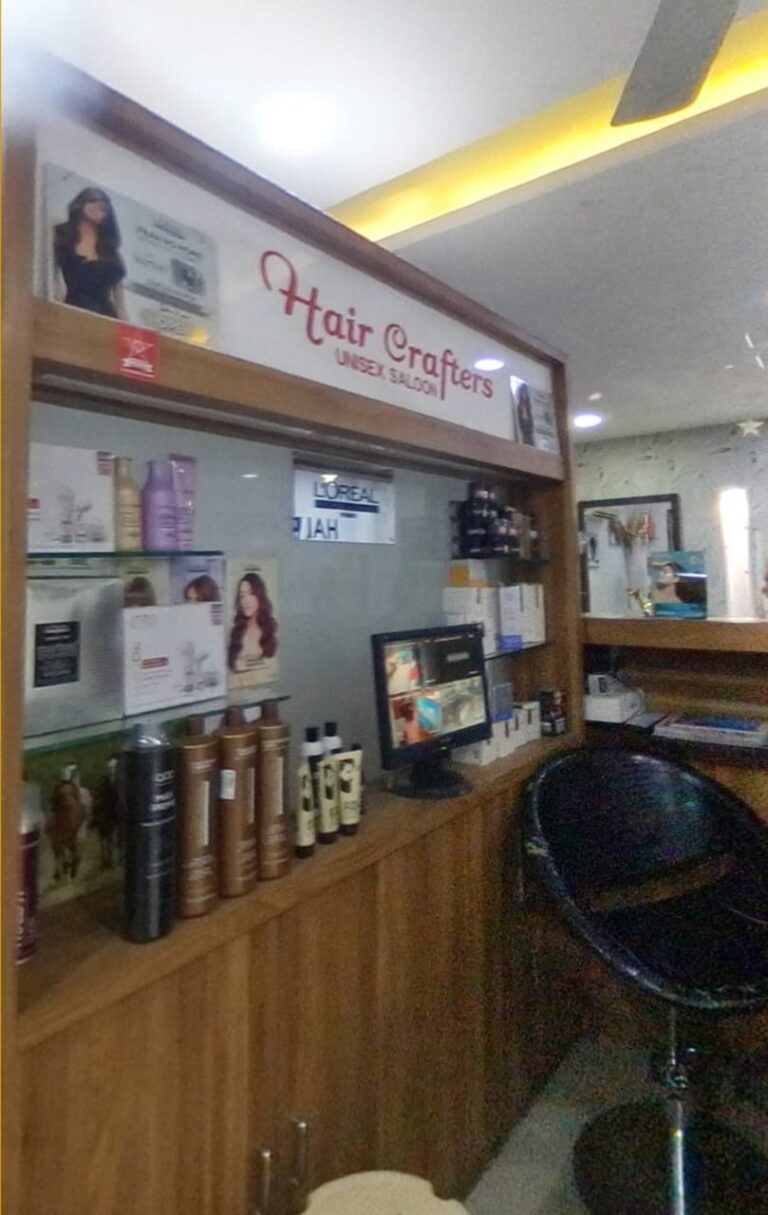
- महाराष्ट्रातील यवतमाळ शहरात राजेंद्र उद्धवराव गायकवाड यांचे दुकान जनता कर्फ्यू च्या दिवशीच बंद झाले. नंतर त्यांना व्यवसाय सुरु करण्यासाठी मोठी गुंतवणूक करावी लागली. दुकानासाठी सामान पण त्यांनी घेतले पण एक जुलै पर्यंत घेतल ग्राहक आलेच नाहीत. सेफ्टी किटसाठी चा खर्च अंगावर पडला. अशी सगळी रडकथा असताना माणुसकीचे दर्शन देखील त्यांना झाले. घर मालकाला पैसे देणे अपेक्षित होते, पण ते देऊ शकत नाहीत तरी घरमालकांनी अद्याप तगादा लावलेला नाही.
- अनेक जुन्या ग्राहकांनी आर्थिक मदत केली. लॉकडाऊन पूर्वी सुद्धा श्री गायकवाड काही ग्राहकाच्या घरी जाऊन सेवा द्यायचे. या ग्राहकांत सेवानिवृत्त लष्करी अधिकारी आणि काही अपंग यांचाही समावेश आहे.संसर्गाच्या भीतीने आधी ग्राहक येत नव्हते. आता हळूहळू यायला लागले आहेत. पुरेशी खबरदारी आम्ही घेतो हे पाहून ग्राहकांची संख्या वाढू लागली आहे. अनेक ग्राहक सेफ्टी किट चेही पैसे देतात. काहींनी खूपच अडचणीच्या काळामध्ये किराणा आणि अन्नधान्य यासाठी ज्यादा पैसेही द्यायला सुरुवात केली. काही ग्राहक तर इतके सहृदय निघाले की महिन्यातात चार-पाच वेळा किराणा, अन्न धान्य यांचे पाकीट मागता आणून देऊ लागले आहेत.
- आणखी एक अनपेक्षित अनुभव अनेक व्यावसायिकांना आला आहे. त्यांचे दुकान बंद असताना 80 टक्के ग्राहकांनी आपल्या घरच्याच नात्यातल्या स्त्री पुरुषांकडून कटिंग करणे, दाढी करणे अशी कामे करून घ्यायला सुरुवात केली. त्यामुळे व्यावसायिकांचा धंदा बुडाला.
- पीथमपुरच्याच ज्योती पाटील यांची कहाणी देखील हृदयस्पर्शी आहे. चाळीस हजार रुपये फी देऊन त्यांनी ब्युटी पार्लर चे प्रशिक्षण घेतले. पंचवीस हजार रुपये खर्चून साहित्य घेतले. शहराच्या मध्य भागात मध्यवर्ती भागात व्यवसाय सुरू केल्यास चांगला प्रतिसाद मिळेल या विचारांनी त्यांनी भाड्याचे घर घेऊन ब्युटी पार्लरचा व्यवसाय सुरूही केला आणि लॉकडाऊन सुरू झाला. व्यवसाय तर बंद झालाच. पण त्याचे नवे भाड्याचे घर सोडून स्वतःच्या घरात परतावं लागलं, कारण आता भाडे परवडले नसते. पाच हजार रुपयाच्या भाड्याची बाकी द्यायची आहे. पतीचा पगारही आता कमी झाला आहे. अशा परिस्थितीत पती पार्लर साठी आर्थिक पाठबळ देऊ शकत नाही. कमी भाड्याचं दुसरे घर मध्यवर्ती भागात आता घ्यावं असा त्यांचा विचार आहे. सणासुदीला आणि मुख्यत: दिवाळीला ग्राहक वाढतील अशी त्यांना आशा वाटते. पण ग्राहक नाही आले तर कसा निभाव लागणार अशी त्यांना रास्त भीतीही वाटते.
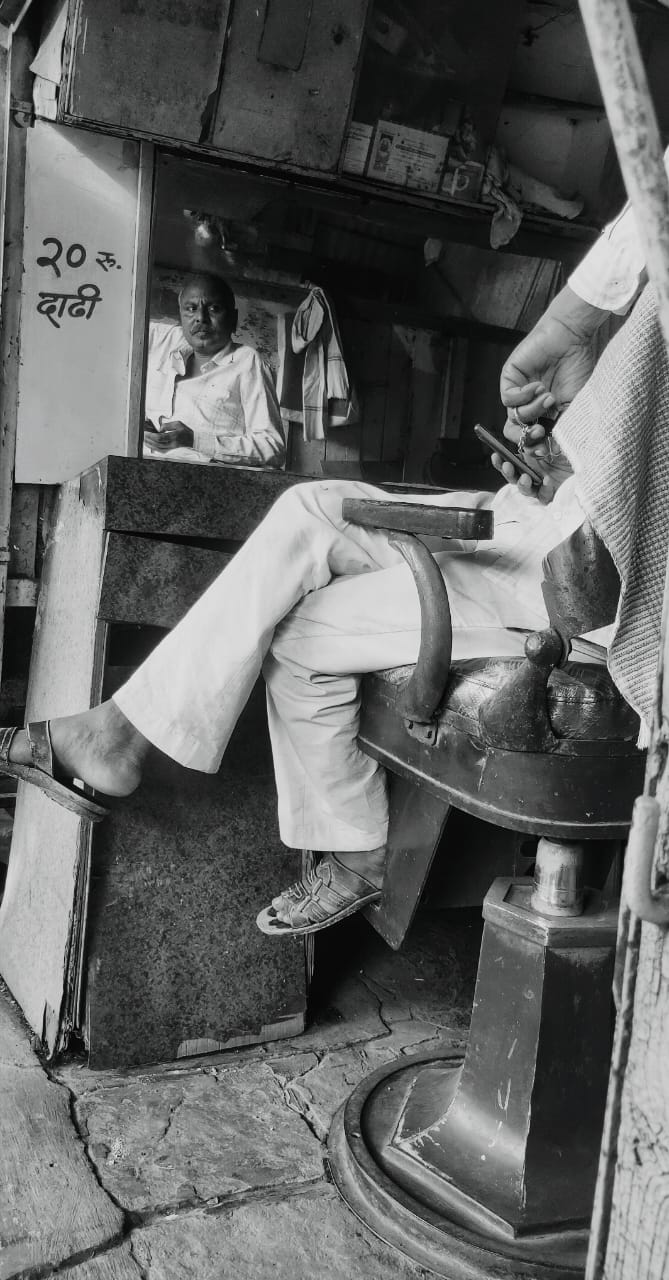
- मध्य प्रदेशचे माजी मंत्री आणि केशशिल्पी मंडळाचे माजी अध्यक्ष नंदकिशोर वर्मा यांना या कठीण परिस्थितीची कल्पना आहे. या व्यावसायिकांना किती हाल-अपेष्टा सहन कराव्या लागत आहेत त्याची जाणीव आहे. राज्य शासन, आपला पक्ष आणि सेन समाज संस्थेच्या वतीने त्यांनी समाजपयोगी अनेक उपक्रम हाती घेतले.
- व्यावसायिकांना मदत केली पाहिजे असा प्रयत्न आहे. पण केश कर्तनालयाच्या पारंपारिक व्यवसायावरच केवळ विसंबून राहू नका असा त्यांचा सल्ला आहे. कुटुंबातील इतरही स्त्री पुरुषांनी दुसरे व्यवसाय शोधले पाहिजे. भाजीपाला, फळे विका, शिवण काम करून पैसे कमवा असे उत्पन्नाचे मार्ग शोधा असे त्यांचे सांगणे आहे.
- फक्त मध्य प्रदेशातच ही परिस्थिती नाही, तर उत्तर प्रदेश, बिहार अशा इतर राज्यातही नव्या वाटा शोधणे आवश्यक आहे. कर्ज बाजारी झालेल्या शंभरेक जणांनी आत्महत्या केल्या, तसे आपले कुणाचे होऊ नये या साठी नवे मार्ग शोधू या, असा नंदकिशोर वर्मा यांचाचा आग्रह आहे.
Contributed by : Srishti Jahagirdar, Umang Bafna, Barkha Pawar, Sakshi Kadam,Vatsal Kariya, Mohini Sharma,Raj Kalekar, Prattay Basu, Fatima Inamdar, Sheetal Akhade,Pratiksha Jadhav
conceived by : Dr. Kiran Thakur
Subedited by : Prof. Abhishekh Bhosale, Prof. Ankit Singh
(विश्वकर्मा विद्यापीठाच्या सेंटर ऑफ कम्युनिकेशन फॉर डेव्हलपमेंट साठी प्राध्यापक आणि विद्यार्थ्यानी सादर केलेले लेख कोणत्याही माध्यमाने प्रकाशित केल्यास आम्हाला आनंद वाटेल. या साठी पूर्व परवानगीची आवश्यकता नाही. संबंधित लेखकाला आणि सेंटरला श्रेय द्यावे एव्हढीच अपेक्षा आहे- डॉ किरण ठाकूर, विश्वकर्मा विद्यापीठ सेंटर ऑफ कम्युनिकेशन फॉर डेव्हलपमेंट)

Barbers’ tales of hardship, grit, and determination & Good Samaritans helping during COVID 19
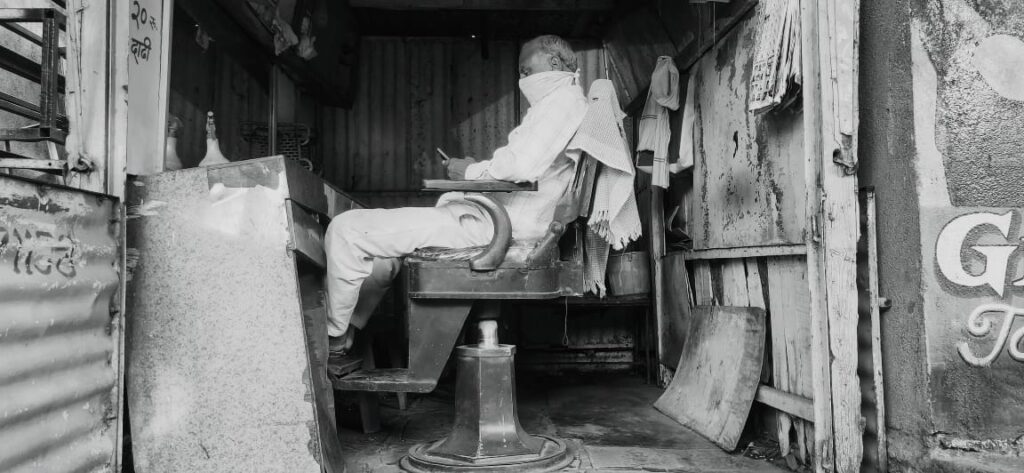
(VU CCD News Feature)
Pune, October 3, 2020- Barbers are among the worst-affected professionals during the COVID 19. Yet, the hair cutting salon owners and employees are combating the situation with grit and determination, a survey has indicated. Their business had come to a standstill in March, but it has gradually picked up by mid-September.
The survey was carried out recently by students of Journalism and Mass Communication of the Vishwarma University’s Centre of Communication for Development. It indicated that most barbers still find it tough to meet both ends meet. Yet they have not lost hope.
Fifteen students from different parts of the country interacted with these professionals at their home towns when they did not have classes in Pune because of the Covid 19. The places of the survey included Pune, Pithampur (Madhya Pradesh), Vijaypur (Karnataka), Jamshedpur (Jharkhand), Yevatmaal, Pathare in Shrirampur of Ahmednagar district, Karad near Malkapur of Buldhana district, and Deur near Palghar district of Maharashtra.
The government has permitted the barbers to restart their hair cutting saloons and beauty parlors, but it has continued to be strict about the restrictions like social distancing. The survey’s purpose was to record how the barbers are managing their business and attitude of the customers. Following are salient features of the survey:
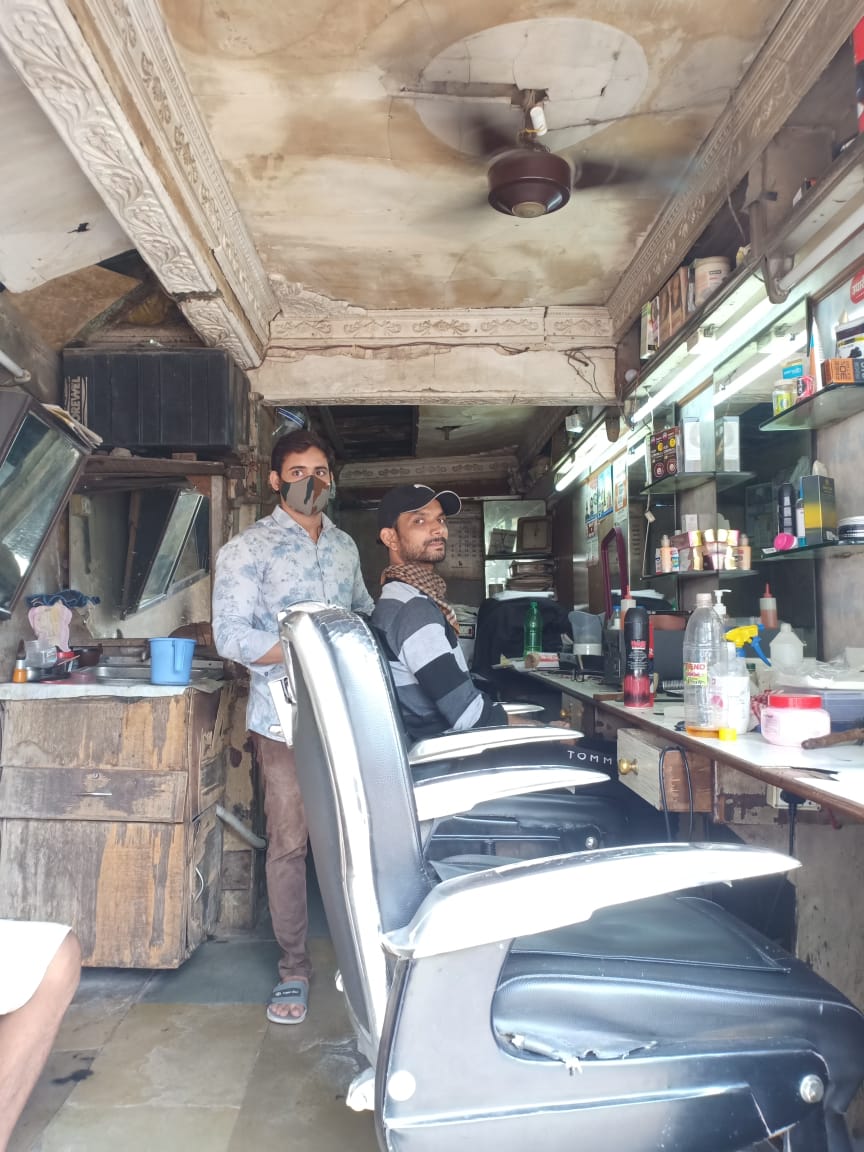
- The business for the barbers was closed like the rest of shopkeepers in the country.
- Employees of some haircutting, shops rushed to their native places and tried to start earning there. Most could not do much. The scores of them starved.
- Government restrictions were being used. The haircutting shops have not become operational as in the past.
- Scores of them are starving even now.
- The government’s promises are not met. It has compelled the barbers to follow its guidelines about masks, safety kits, and other related matters. The barbers have followed these guidelines, but the customers have not started visiting the shops.
- The barbers and their family members have to spend on these kits even though they can not afford to spend.
- The barbers have begun searching for ways to resume business.
- Shamrao Kashid of Bhandarkar Road, Pune, for example, started offering home service by investing for disposable personal protection equipment. Mostly his old customers have begun calling him for the haircut and other services, at the cost to be borne by the customers. Some customers are willing to bear higher cost, but the number is limited.
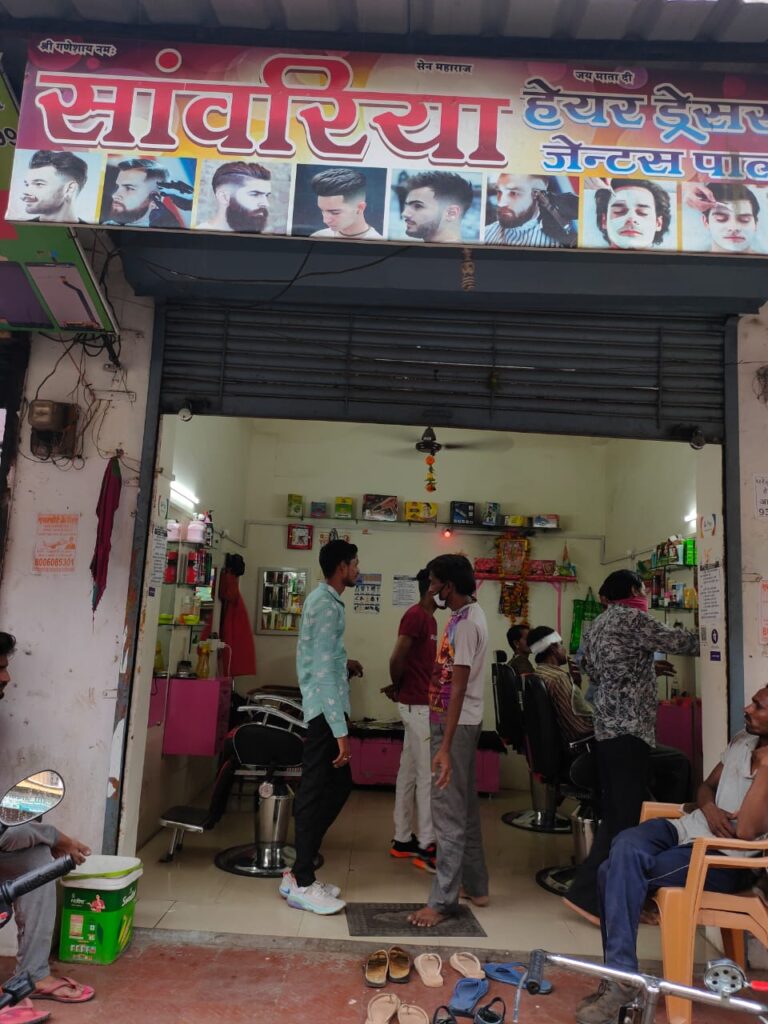
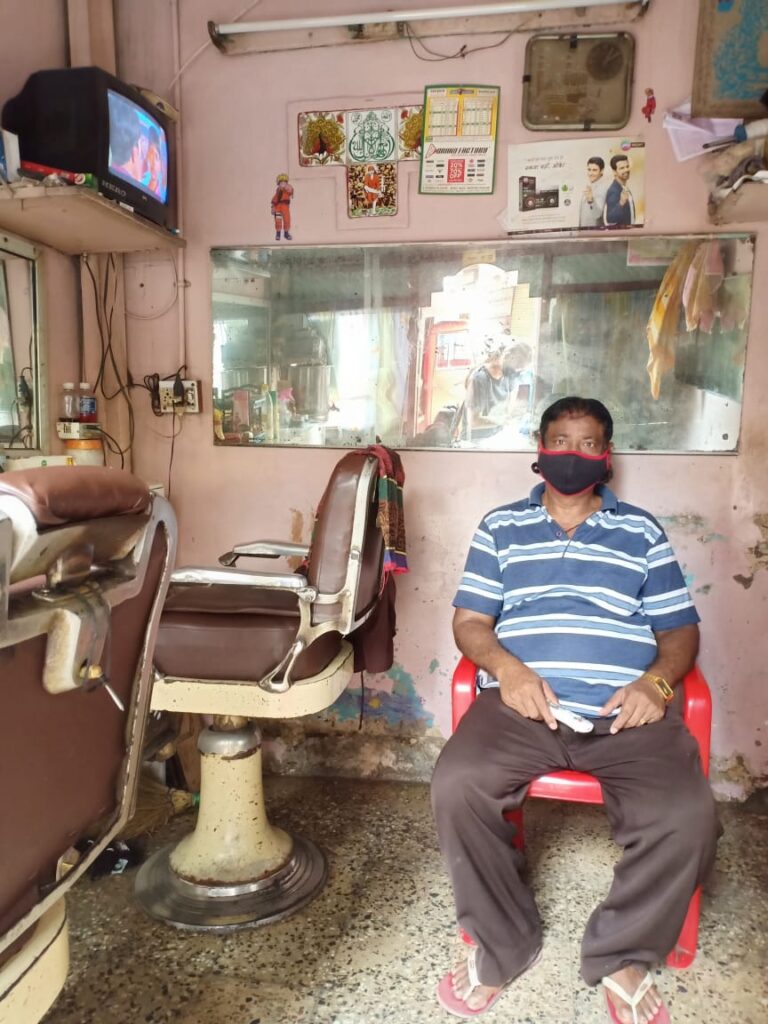
- In nearby Gokhalenagar, owner Yogesh More had three employees from Uttar Pradesh, but they left for a home down and have not returned yet. He does not offer home service for the risk for the customers and also his family members.
- He has a grievance that many customers do not offer normal courtesy to him during such a home service. They expect him to work at odd places such as car park, terrace, or under the staircase. They are not willing to pay the higher charge for the safety kits. In any case, he can not leave his own shop because he must wait for his other usual customers.
- In Pune’s Bhavani Peth, Shaikh basir had kept his shop closed. Earlier, he used to get 25-30 customers. Not any more. The business has resumed, but hardly half a dozen customers in a moth.
- In the same locality, Abrar Shaikh kept his shop closed. In July, about 15 customers dropped in. But there was not a call for a home service. His grandfather started the shop about 40 years ago. He had employed three barbers, but two of them have left now.
- Rajendra Uddhavrao Gaikwad of Yavatmal had to close his shop on the day of the Janata curfew. He had to invest a substantial amount for the shop to resume business. But there was no customer till first of July. He spent also for the safety kit.
- As against such tragic tales, Rajendra has some instances of kind-hearted customer who came to his rescue. The owner of the house has not complained that he (Rajendra) could not return the money because of the difficult times until now.
- The old customers offered him monetary help. He used to offer home service even before the lockdown. Among them were some ex-servicemen and handicapped customers. They came forward to offer more money.
- Earlier during the recent weeks, other customers hesitated to visit his shop, but gradually they started coming when they realized that he took safety precautions. Some customers volunteer to pay additional amount for the safety kits. There are some kind-hearted customers who offered grocery and ration packets three or four times in a month before he appealed to them.
- Jitendra Chavan of Pithampur, Dhar district of Madhya Pradesh, has his brother working in his shop. There is another employee who suffered the same fate. All of them had to face hardships, borrow money, or request neighbors to give them grocery, and ration with a promise to pay later. Jitendra could not afford to buy a smartphone for his son required for online schooling. The children have not been able to join the classes.
- There is an unexpected experience for several barbers. Wives or other relatives have started cutting the hair of their male members of the family when shops remained closed for months. Eighty percent of the customers of the barbers stopped patronizing the shops, which meant a substantial loss to the owners.
- Jyoti Patil of Peethampur has a heart-rending story to narrate. She spent Rs 40,000 to get training of a beautician, and another Rs 25000 for the equipment. She believed she would earn more if she hires a centrally-located place for the parlour. Accordingly, she set up the parlour and began the business. However, unexpectedly the lockdown began and she had to close the parlour and leave the rented shop because she could not afford it. Her husband is not able to support her, because he now gets a reduced salary. Now that the businesses in the town have begun, Jyoti plans to resume her parlour business during the Dasara-Diwali festival season at a rented place in the centrally located premises. She believes she would get good business, bus is worried if she does not.
- Mr Nand Kishore Verma, two-time minister of the Madhya Pradesh government and chairman of the Kesh Shilpi Mandal is aware of the difficulties faced by the barbers in the state. He tries to help the barbers as much as he can as a member of a political party, and also an activist of the Sen Samaj Sanstha. Yet he tries to advise members of the community not to depend only on hair cutting business, but try doing some other business like selling vegetables, fruits, tailoring and the like. He tells them that the situation does not obtain only in Madhya Pradesh, but also in other states like Uttar Pradesh and Bihar. Mr Varma counsels the people that about a hundred persons committed suicide because of the heavy debts that could not be repaid. Such a situation can be avoided in any state if other sources of living can be tried.
Contributed by : Srishti Jahagirdar, Umang Bafna, Barkha Pawar, Sakshi Kadam,Vatsal Kariya, Mohini Sharma,Raj Kalekar, Prattay Basu, Fatima Inamdar, Sheetal Akhade,Pratiksha Jadhav
conceived by : Dr. Kiran Thakur
Subedited by : Prof. Abhishekh Bhosale, Prof. Ankit Singh
(This news feature is meant to be published in any media without seeking permission from the Vishwakarma University’s Centre of Communication for Development. We will be happy if you give credit to the students/teachers of the University- Director, VUCCD)
What happens when a hero from the battlefield is injured?
Pune, September 22, 2020 (VUCCD News)
How do you face adversity? Do you give up and lose hope, or do you fight back hard till your battle is won? When the world around you is engulfed with fear, panic and dismay, what would you do? When you have to choose between saving your life and saving others what will you choose?
The outbreak of the deadly novel corona virus has shaken the world to its core and has grappled people with fear and uncertainty. In times like these, where stepping out of the house can pose a risk to your life, there are some bravehearts who are ready to take on the adversity in her face and have chosen to save the life of others, risking their own. I’m talking about the silver linings in the cloud i.e. our doctors and medical workers. Doctors are not just fighting a pandemic but also dealing with their own emotional stress. One such story of a doctor with indomitable human spirit and commitment to help people cure will touch you to the core and help you get through the terror of the virus.
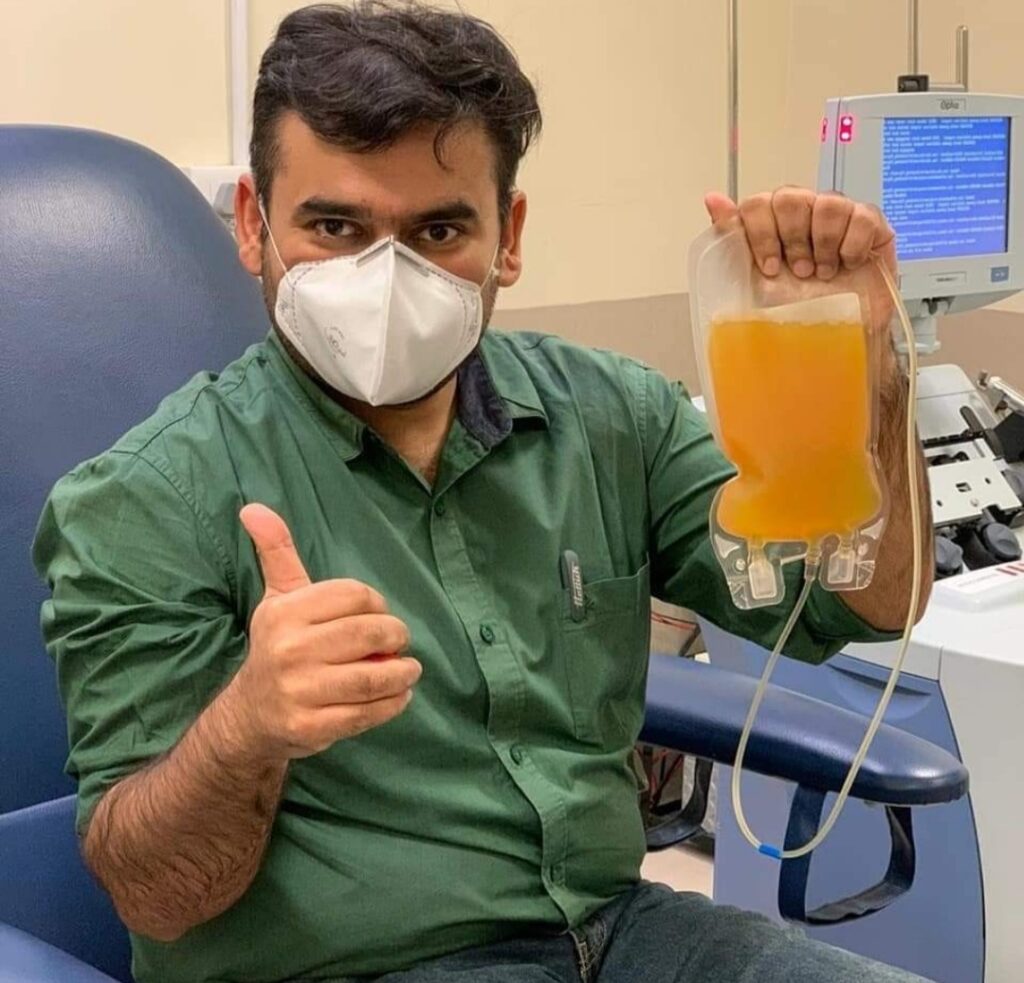
Dr. Satyam Arora, Assistant Professor, Transfusion Medicine at child PGI, Noida is a frontline warrior, working day and night to treat COVID patients. His story is not just about a committed doctor but also a patient who fought covid-19. In the last week of May he started developing symptoms like backache, body ache, low grade fever which eventually turned into a high grade fever. He isolated himself and took off from work.
“There were sleepless nights due to dry mouth, fever and constant body ache” said Dr Arora in a video shared by ISBT (International Society of Blood Transfusion). After three days of prolonging symptoms he tested positive for the virus i.e. on May 28 and was admitted to the hospital. He was there for nine long days. The source of, from where he got infected is unknown.
“The miserable have no other medicine but hope” quoted William Shakespeare. The only hope for lakhs of people infected with the virus are doctors and when our heroes are injured we are shattered. But Superman also sometimes falls apart, only to come back stronger as ever and saves the world. Discharged on June 19, Dr. Arora lost 7 Kg weight and had prolonged weakness for 2-3 weeks. But this did not stop him. He donated 500 ml plasma; the maximum a donor can give at a time, to help treat COVID patients. After 3 weeks of discharge and defeating the virus he joined work. His main focus after recovery was to recruit more and more recovered patients who can donate plasma for the treatment of Covid. He is also working on a national project currently which involves testing the efficiency of plasma in treating COVID-19 under the ICMR plasma therapy trials.
The story of Dr. Satyam Arora is all about never giving up and facing every challenge coming your way. His journey from a frontline warrior, treating virus infected people to himself being a victim of the virus is inspiring. It’s an emotional and mental turmoil, getting infected by a deadly virus and being in complete isolation, away from family and friends. He not only fought with the virus but also was resolute to make a change and find ways to cure people. “I am more patient and empathetic towards Covid patients as I can relate to their anxiety” he said in an interview with the Times of India. So whenever you feel like stepping out of your houses for leisure try to think about doctors like Satyam Arora who are engaged in this fight against the Corona virus for the safety of your family and friends.
By Neha Mehrotra (Student), Third year,Department of Journalism and Mass Communication, Vishwakarma University, Pune.
Making online education possible !!
Pune,August 21, 2020 (VUCCD News)
Covid-19 has changed the teaching-learning experience and online education is the keyword today. Maharashtra based Active Teachers’ Forum (ATF) — comprising teachers, researchers, and activists in Maharashtra — recently conducted a survey in government schools in rural and urban areas of the State for a study titled ‘Digital Access’.
The study revealed that only 27 per cent parents of the students surveyed in 1,186 schools had smartphones. Out of the total 1.67 lakh students, only 11.61 per cent had laptops or desktops at home. In urban areas, only 14 per cent of parents had smartphones, compared to 20 per cent in rural areas.
Unavailability of the smartphone is hindering the education of poor kids in urban and rural areas. But students and good samaritans have not lost hope.
Pradeep Lokhande, Pune based social entrepreneur, founder of Rural Relations recently started the project ‘yoMobile’.
The idea is to collect phones and donate them to the needy students. “ Don’t throw or sell unwanted phones, donate it to a school of your choice” says Lokhande. He takes the 100 per cent responsibility that the cell reaches the needy student.
“ Unless and until two hands will not come together, there will be no noise” Lokhande told this reporter.
He has more than 12000 needy students list which will definitely grow with the time. Lokhande says that with society's support poor children will be able to continue their studies.
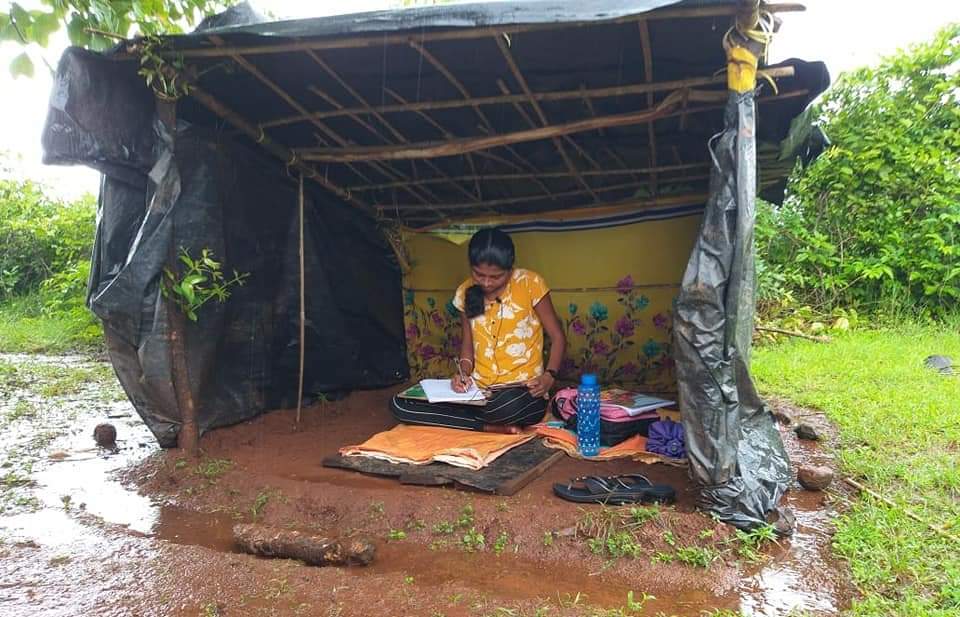
(Pic courtesy – AIR, Pune twitter https://twitter.com/airnews_pune/status/1296460265094033414)
The hut is her online classroom!
Swapnali Sutar , a college student from Kankavali in Konkan region of Maharashtra is a determined student. As there is no internet range in her village she attends online classes in a makeshift hut built by her brother. The hut is two km away from her house and she used to attend classes taking an umbrella on this spot. Her brother came for help and built the hut for the sister. This is her online classroom.
By Mohini Sharma (Student), Second year, Department of Journalism and Mass Communication, Vishwakarma University, Pune.
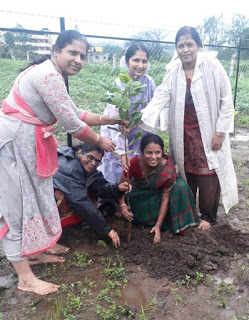
Akira Miyawaki Forest Blooming at Battis Shirala
Battis Shirala, Sangli District, August 2- A doctor couple of Battis Shirala in Sangli district has developed a unique forest within just one year using a technique evolved by Japanese botanist Akira Miyawaki. The physician, Dr Nitin Jadhav and his gynaecologist wife, Dr Krushna, of the Anand Hospital, have completed the first year of the project on July five last. They have celebrated the first anniversary of the man-made forest.
The forest has come up at the hitherto barren 8000 square feet (eight guntha) plot at Sidhivinayak Nagar with the help of the team Planet Earth Foundation, India (PEF), an NGO based at Battis Shirala. (eight guntha) plot at Sidhivinayak Nagar with the help of the team Planet Earth Foundation, India (PEF), an NGO based at Battis Shirala.
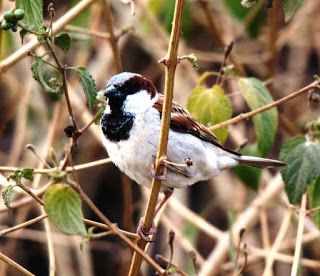
The Miyawaki Forest Development Technique has won world-wide recognition to contribute in reducing carbon footprints. This technique can raise a dense forest within just two years to raise flora and fauna that would normally require ten years for the regular plantation method, says Mr Akash Patil, the President of PEF.
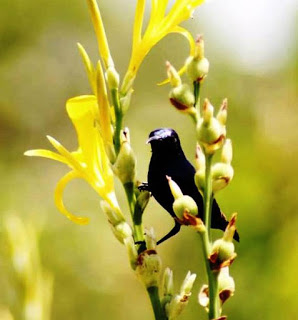
The PEF volunteers have been monitoring the biodiversity database of the forest close to the Western Ghats section from the beginning. The data recorded on the first anniversary of July 5, 2020 was as follows:
Pimpal, Umbar, Wad, Payar are some of the ficus species; Jambhal, Rai Jambhal, Karanj, Amba, Fanas among the wild fruiting species; Tamhan, Kanchan, Bahava, Palas, Kate Sawar are the wild flowering species; Behada, Hirda, Ritha, Awala, Kadulimb and Kadipatta are some medicinal species of trees planted in this forest during the year gone by.
- The PEF team started working with the soil preparation with the earth moving machines and labours. It took 20 days to move one-meter deep soil out from the entire plot and replace it by mixing with ingredients like cow dung, rice husk and sugarcane husk etc.
- The plantation bed was ready by mid-June 2019.
- The team started the plantation in the first week of July with volunteers from Shirala and internsof forestry and Environmental Science courses
- The volunteers spread the locally-available mulch of rice sticks and gave support to all the saplings.
- The PEF Team and Dr Jadhav family started a weekly and monthly monitoring and maintenance system. Watering the plants and removing the weed were the important regular tasks.
Plan for 2020-21: The PEF volunteers have collected seeds of 25 different native plant species from the Shirala block. They will establish a nursery of native species in the project area. The team will be able to provide saplings for people the next year.
The response so far: By the first month after the inauguration of the forest, over 2000 people have visited the project and appreciated the growth of the forest. Many have got inspired from this project and started planting trees and taking care of existing large trees in their areas, says Pranav Mahajan, the Vice-President of PEF.
The Project team members and volunteers are happy to contribute to Mother Nature through this project. The focus is to plant a native sapling and conserve one large tree in your area. They have begun creating awareness to grow own forests through this unique method.
(nitin_krishnaj@rediffmail.com President, PEF.planetearthfoundation.in@gmail.com)
You are welcome to use this information above and photographs below for your news, features and blogs. We will appreciate if you give credit to this blog, Dr Nitin Jadhav or the Planet Earth Foundation, India
बत्तीस शिराळा येथे जपानी अकिरा मियावाकी वन बहरले
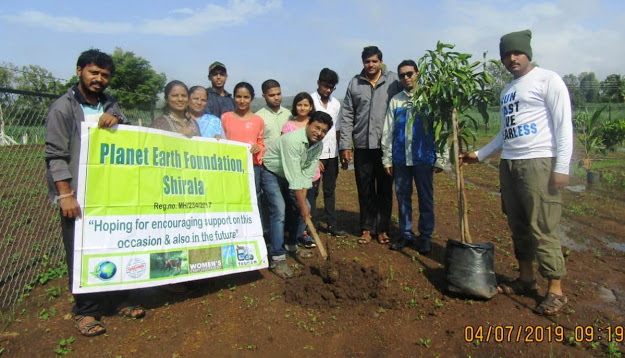
बत्तीस शिराळा, दिनांक दोन ऑगस्ट- सांगली जिल्ह्यातील बत्तीस शिराळा येथे एका डॉक्टर दाम्पत्याने अवघ्या एका वर्षात जपानी वनस्पतिशास्त्रज्ञ अकिरा मियावाकी यांनी विकसित केलेल्या तंत्रज्ञानाचा वापर करून एक अद्वितीय जंगल विकसित केले आहे.
आनंद रूग्णालयाचे संचालक डॉ . नितीन जाधव आणि त्यांची स्त्रीरोगतज्ज्ञ पत्नी डॉ.कृष्णा जाधव यांनी गेल्या पाच जुलै रोजी या प्रकल्पाचे पहिले वर्ष पूर्ण केले आहे. मानवनिर्मित या जंगलाचा प्रथम वर्धापन दिन त्यानी जंगलाचे पूजन करून व केक कापून साजरा केला.
बत्तीस शिराळा येथील स्वयंसेवी संस्था ‘प्लॅनेट अर्थ फाउंडेशन” (पी.ई.एफ) च्या मदतीने एकूण ८००० चौरस फूट (आठ गुंठे) क्षेत्रामध्ये हे जंगल उभारले आहे.
मियावाकी यांच्या जंगल निर्मिती तंत्राला जागतिक तापमानवाढ कमी करण्यासाठी जागतिक स्तरावर मान्यता मिळाली आहे. जंगलाची नैसर्गिक निर्मिती आणि विकास होण्यासाठी दहा वर्ष लागत असतील तर तेवढेच घनदाट जंगल मियावाकी तंत्राने फक्त दोन वर्षात उभे करता येते असे पी.ई.एफचे अध्यक्ष श्री. आकाश पाटील यांनी सांगितले. पी.ई.एफ संस्था शिराळा तालुका तसेच पश्चिम घाटातील जैवविविधतेचा अभ्यास व संवर्धनासाठी कार्यरत आहे.
गेल्या वर्षभरात डॉ. जाधव यांच्या मियावाकी जंगलामध्ये ४१ प्रजातीचे पक्षी, २ प्रजातीचे सस्तन प्राणी, ४ सरपटणारे प्राणी, ११ उभयचर प्राणी, तसेच फुलपाखरांच्या ३४ प्रजातींची नोंद करण्यात आली आहे ती खालीलप्रमाणेः
सरपटणारे प्राणी: धामण, कवड्या, डुरक्वया घोणस, व हरणटोळ सर्प.
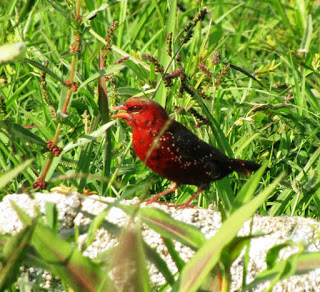
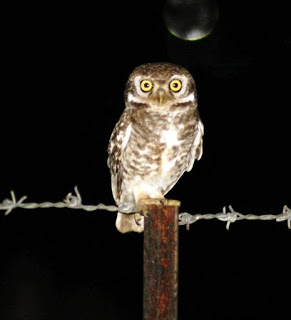
पक्षी: गुलाबी फिंच, लाहोरी, बदामी घुबड, पिंगळा, मोर, लांडोर, होला, बुलबुल, साळुंखी, इत्यादी. फुलपाखरे: कॉमन रोझ, टेल्ड जे, कॉमन जाजबेल ही फुलपाखरे.
वनस्पती: पिंपळ, उंबर, वड, या फायकस च्या प्रजाती आहेत. जांभळ, राय जांभळ, करंज, आंबा, फणस या वन्य फळ देणाऱ्या प्रजाती; ताम्हण, कांचन, बहावा, पळस, काटेसावर ही वन्य फुले असणारी प्रजाती आहेत; तसेच बेहाडा, हिरडा, रीठा, आवळा, कडुलिंब आणि कढीपत्ता या औषधी वनस्पती आहेत.
डॉ. नितीन जाधव म्हणतात: हा प्रकल्प आपल्या शेत जमिनीवर मे २०१९ मध्ये सुरू केला.
पी.ई.एफ च्या टीमने जेसीबी- Tractor वापरून आणि मजूरांसह काम करण्यास सुरवात केली. संपूर्ण प्लॉटमधून एक मीटर माती खणून बाहेर काढली आणि शेणखत, तांदळाचा कोंडा आणि ऊसाचा भुसा इत्यादी चा वापर करून रोपे लावण्यासाठी जमीन तयार केली.
शिराळा येथील स्वयंसेवक तसेच उत्तर प्रदेश आणि छत्तीसगडमधील वनीकरण आणि पर्यावरण विज्ञान अभ्यासक्रमांच्या विद्यार्थ्यांनी मिळून जुलैच्या पहिल्या आठवड्यात वृक्षारोपण पूर्ण केले. त्या सोबत झाडांना काठीचा आधार दिला.
हा प्रकल्प एकूण तीन भागात विभागला आहे:
मियावाकी वन क्षेत्रात ५२ देशी प्रजातींची ५४० रोपे लावण्यात आली आहेत.
फळबाग क्षेत्रात २२ प्रजातीची फळझाडे आणि
फुलपाखरू उद्यानात फुलांच्या रोपाच्या १८ प्रजातीची लागवड करण्यात आली.
एफोरेस्ट इंडिया या संस्थेने तयार केलेली मार्गदर्शक पुस्तिका या प्रकल्पासाठी उपयुक्त ठरली. पी.ई.एफ टीम आणि डॉ. जाधव कुटुंबीयांनी साप्ताहिक व मासिक देखरेख व देखभाल सुरू केली. झाडांना पाणी देणे आणि तण काढून टाकणे ही कामे नियमित केली गेली.

निरीक्षणे: डिसेंबर २०१९ पर्यंत जंगलामध्ये फारशी वाढ दिसून आली नाही. जंगलाची सरासरी उंची सुमारे चार ते पाच फूट झाली होती. जंगलाला नियमित पाणी देण्यासाठी ठिबक सिंचन जानेवारी २०२० मध्ये सुरु करण्यात आली. फेब्रुवारी २०२० पासून वसंत ऋतु सुरू होताच सर्व झाडे वेगाने वाढू लागली. मे २०२० पर्यंत दहा ते बारा फूट उंची पर्यंत जंगलाची वाढ झाली.
रसायनांचा वापर अजिबात नाही: जंगल निर्मितीसाठी सेंद्रीय पद्धत वापरली आहे असे डॉ. जाधव यांनी आवर्जून सांगितले. कोणतीही रासायनिक खते, कीटकनाशके आदी वापरली नाही. या जंगलातून निसर्गाला व समाजाला मिळणारे सर्व उत्पादने सेंद्रिय आणि नैसर्गिक असणार आहेत.
२०२०-२१ चे नियोजन: पीईएफ टीमने शिराळा परिसरातून वेगवेगळ्या देशी वनांची बी - बियाणे गोळा केली आहेत. या वन प्रकल्प क्षेत्रात देशी प्रजातीची नर्सरी स्थापित करण्यात येणार आहे. पुढच्या वर्षी येथून वनस्पती मित्रांना देशी रोपे देण्यात येतील.
आतापर्यंतचा प्रतिसादः जंगलाच्या उद्घाटनानंतर वर्षभरात २००० हून अधिक लोकांनी या प्रकल्पाला भेट दिली आहे आणि जंगलाच्या वाढीचे कौतुक केले. पीईएफचे उपाध्यक्ष प्रणव महाजन म्हणतात, अनेकांना या प्रकल्पातून प्रेरणा मिळाली असून त्यांनी वृक्षारोपण करणे आणि आपल्या भागातील मोठ्या वृक्षांची काळजी घेणे सुरू केले आहे.
समाजामध्ये वृक्ष, जंगल व जैवविविधता संवर्धन बद्दल जागृती निर्माण करणे हा या प्रकल्पाचा मुख्य उद्देश आहे.
प्रमुख शहरापासूनची प्रकल्पाची अंतरे:
मुंबई (३५५ कि.मी.), पुणे (२१२ किमी), कोल्हापूर (५७ कि.मी.), बंगळुरू (६४६ किमी)
रेखांश: 74 ° 6'53.57 "ई आणि अक्षांश: 16 ° 58'52.75" एन
(nitin_krishnaj@rediffmail.com President, PEF.planetearthfoundation.in@gmail.com)
You are welcome to use this information above and photographs below for your news, features and blogs. We will appreciate if you give credit to this blog, Dr Nitin Jadhav or the Planet Earth Foundation, India
अकीरा मियावाकी तकनीक से बत्तीस शिराला में घना जंगल विकसित
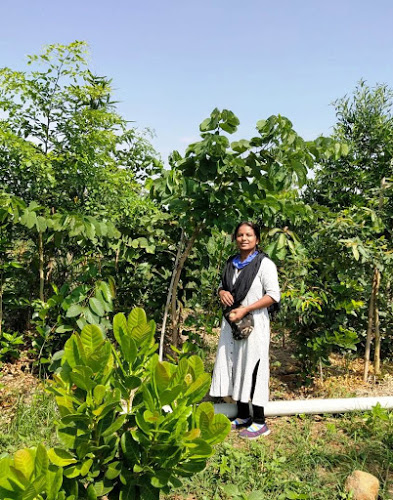
बत्तीस शिराला, दो अगस्त- सांगली जिले के बत्तीस शिराला के डॉक्टर परिवारने केवल एक वर्ष में जापानी वनस्पतिशास्त्रज्ञ अकीरा मियावाकी द्वारा विकसित तकनीक का उपयोग करके एक अद्वितीय जंगल विकसित किया है। आनंद अस्पताल के सन्चालक चिकित्सक डॉ. नितिन जाधव और उनकी स्त्री रोग विशेषज्ञ पत्नी डॉ. कृष्णा जाधव ने ५ जुलाई को इस जंगल का पहला वर्ष पूरा किया। उन्होंने एस मानव निर्मित जंगल की पहली वर्षगांठ जंगल का पूजन करके केक और मिठाई बांटकर मनाई।
बत्तीस शिराला स्थित एक एनजीओ, प्लैनेट अर्थ फ़ाउंडेशन, इंडिया (PEF), की मदद से सिद्धिविनायक नगर में ८००० वर्ग फीट (आठ गुंथा) क्षेत्रमे यह जंगल उभारा गया है।
मियावाकी जंगल विकास तकनीक ने कार्बन फुटप्रिंट को कम करने में योगदान देने के लिए विश्वव्यापी मान्यता हासिल की है। पीईएफ के अध्यक्ष श्री आकाश पाटिल कहते हैं कि इस तकनीक से वनस्पतियों और जीवों के लिए केवल दो साल के भीतर घने जंगल का निर्माण किया जा सकता हैं जिसको नैसर्गिक रुपसे दस साल लगते हे. ये निर्माण हुवा घना जंगल स्थानिक जैवविविधता के लीये बहुत मह्त्वपूर्ण है|.
पीईएफके स्वयंसेवक शुरू से ही पश्चिमी घाट के करीब जंगल की जैव-विविधतापर संशोधन संवर्धन कार्क कर रहे हैं। ५ जुलाई, २०२० की पहली वर्षगांठ पर प्रसारित जैवविविधताकी जानकारीमे पक्षियों की ४१ प्रजातियां, २ स्तनपायी प्राणी प्रजाती, ४ सरीसृप प्रजातियां, उभयचरों की ११ प्रजातियां, तितलियों की ३४ प्रजातियां और अन्य कीटों की ६ प्रजातियां इस मियावाकी जंगल मे दर्ज की गई हैं।
सरीसृप: नाग, कवड्या, धामण, आदी साँप पाये गये.
पक्षी: गुलाब फिंच, लाहोरी, बुलबुल, साळून्खी, तितर, बादामी उल्लू, पिंगळा उल्लू, भारतीय मोर, आदी पक्षी.
तितलियाँ: कॉमन रोज़, टेल्ड जे, कॉमन जाजबेल आदी तीत्लीया दर्ज की गई।
वनस्पतियां: पिंपल, उम्बर, वड(बरगद), पयार ये कुछ फायकस वनस्पती की प्रजातियां हैं; जंगली फलवाली प्रजातियों में जामून, राय जामून, करंज, आम, फनस; ताम्हन, कंचन, बहावा, पलास, काटेसावर आदी जंगली फूलों की प्रजातियाँ हैं; बेहदा, हिरदा, रीठा, अवला, कडू'लिम्ब और कडिपत्ता औषधीय प्रजातियाँ हैं।

डॉ. नितिन जाधव कहते हैं:
यह प्रकल्प हमारे पारिवारिक खेतमे मई २०१९ में शुरू किया गाया।
पी.ए.एफ की टीम ने JCB के और मजदुरो के साथ मिट्टी खोदना और तैयार करने का काम शुरू किया। पूरे क्षेत्र से एक मीटर गहरी मिट्टी को बाहर निकाला गया. और गाय के गोबर, चावल की भूसी और गन्ने की भूसी आदि जैसे बायोमास को मिलाकर वृक्षारोपण के लिये जमीन तयार की गयी।
टीम ने जुलाई २०१९ के पहले सप्ताह में शिराला के स्वयंसेवकों और उत्तर प्रदेश तथा छत्तीसगढ़ से आये पर्यावरण विज्ञान विभाग मे पढनेवाले छात्रोंके साथ वृक्षारोपण शुरू किया। स्वयंसेवकों ने स्थानीय स्तर पर उपलब्ध चावल की छड़ें मल्चिंग के लिये फेला दीं और पेडो को लाठी का सहारा दिया।
इस संपूर्ण प्रकल्प को तीन क्षेत्रों में विभाजित किया गया हे:
- मियावाकी वन क्षेत्रमें ५२ देशी प्रजातियों के ५४० पौधे लगाए गए।
- फलवाले क्षेत्र में फलने वाले पौधों की २२ प्रजातियाँ और
- तितली उद्यानमें लगाए जाने वाले फूलों के पौधों की १८ प्रजातियाँ लगा दी।
- Afforestt Indiaद्वारा तैयार एक मार्गदर्शन पुस्तिका का प्रकल्प मे लाभ हुवा।
- PEF टीम और डॉ.जाधव परिवार ने एक साप्ताहिक और मासिक निगरानी और देखभाल प्रणाली शुरू की। पौधों को पानी देना और विड को निकालना ये महत्वपूर्ण नियमित कार्य थे।
अवलोकन: टीम ने दिसंबर २०१९ तक जंगल मे बहुत वृद्धि नहीं देखी। वन की औसत ऊंचाई लगभग चार से पांच फीट थी। जंगल को बेहतर पानी देने के लिए ड्रिप सिंचाई प्रणाली की स्थापना जनवरी २०२० में की गई। जैसे-जैसे फरवरी २०२० से वसंत ऋतु की शुरूवात हुई, सभी पौधे तेजी से बढ़ने लगे। मई २०२० तक जंगल औसतन दस से बारह फीट की ऊंचाई से बढ गया। ये जंगल की बढती उंची सबको अचंबित करनेवाली थी पर यह हमारे सबके परिश्रम का फल था |
नो केमिकल्स: डॉ.जाधव विशेष रूप से बताते हैं कि इस जंगल को शास्त्रीय रूप से उगाया गया है। कोई भी रसायन और कीटनाशक का उपयोग नहीं किया है। जंगल को शुरू से ही जैविक और प्राकृतिक बायोमास (गाय का गोबर) का उपयोग कर के नैसर्गिक रखा गया हैं। इस जंगल से मिलनेवाली उपज जैवविविधता और समाज के लिये लाभदायक होगी यह विश्वास हे.
२०२०-२१ के लिए योजना: पीईएफ स्वयंसेवकों ने शिराला विभाग से २५ विभिन्न देशी पेडो की प्रजातियों के बीज संकलित किए हैं। ये प्रकल्प क्षेत्र में देसी प्रजातियों की एक नर्सरी स्थापित करेंगे। टीम अगले साल लोगों के लिए देसी पौधे दे सकिगी।
अब तक की प्रतिक्रिया: जंगल के उद्घाटन के बाद आजतक २००० से अधिक लोगों ने इस प्रकल्प को भेट दी हे. और जंगल के विकास की सराहना की है. पीईएफ के उपाध्यक्ष प्रणव महाजन का कहना है कि इस प्रकल्पसे कई लोग प्रेरित हुए हैं और उन्होंने पेड़ लगाना शुरू कर दिया है; साथहीअपने क्षेत्रों में मौजूदा बड़े पेड़ों की देखभाल करने लगे हैं।

प्रकल्प टीम के सभी सदस्य और स्वयंसेवक इस जंगल के माध्यम से निसर्ग संवर्धन में योगदान के लिए बहुत खुश हैं। इस प्रकल्प का उद्देश है कि लोग देसी पौधा लगा और अपने क्षेत्र में बड़े पेड़ का संरक्षण करे। समाज मे वृक्ष, जगल, तथा जैवविविधता के प्रती आदर और जागरूकता निर्माण हो, यही हमारा लक्क्ष्य हे.
मुंबई (355 किमी), पुणे (212 किमी), कोल्हापुर (57 किमी), बैंगलोर (664 किमी) से दूरी
देशांतर: 74 ° 6'53.57 "ई और अक्षांश: 16 ° 58'52.75" एन
(nitin_krishnaj@rediffmail.com President, PEF.planetearthfoundation.in@gmail.com)
You are welcome to use this information above and photographs below for your news, features and blogs. We will appreciate if you give credit to this blog, Dr Nitin Jadhav or the Planet Earth Foundation, India


Kolhapur artist Saphal Manakapure’s unique floral contribution at Red Fort on Independence Day
Pune, August 17, 2020 (VUCCD News)
An artist of Kolhapur-origin had his unique floral contribution in nation’s Independence Day celebration at the Red Fort last Saturday. The artist, Saphal Manakapure, has conceptualized, designed and fabricated the floral backdrop, carpet and floral rangoli at the Red Fort’s rampart from which Prime Minister Narendra Modi addressed the nation.
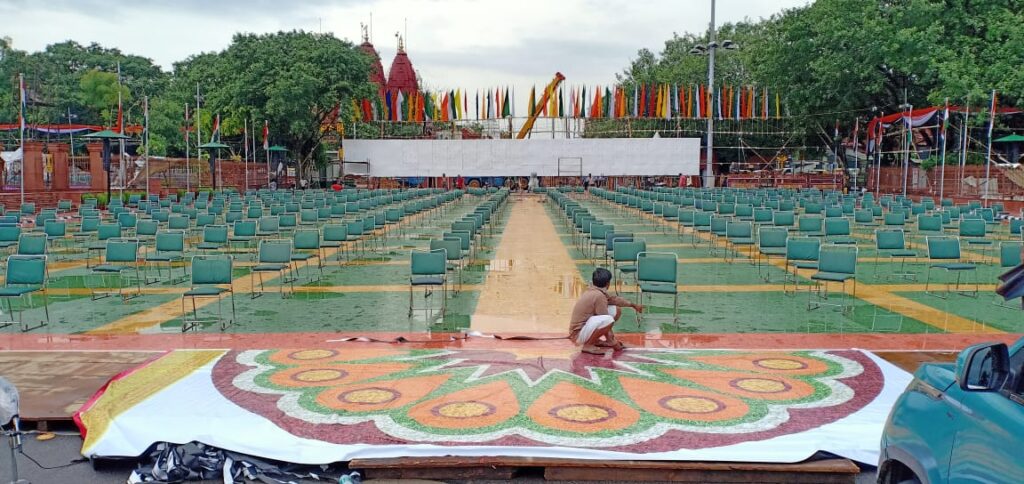

Working under the guidance of defence minister and CPWD Horticulture, Saphal’s team of stage designers and decorators, worked on the backdrop that highlighted the Prime Minister’s Message, आत्मनिर्भर भारत (Atmanirbhar Bharat).
Saphal is the son of the artist - late Mr Anant Manakapure who had conceptualized, designed and fabricated the flower tableau of the CPWD Horticulture on the Republic Day celebration for the 27 years until his death in the year 2005.
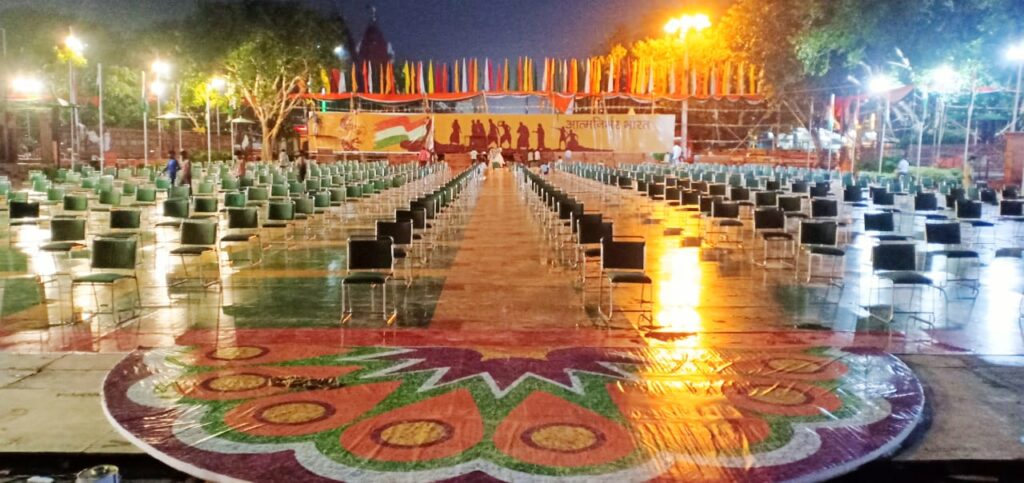
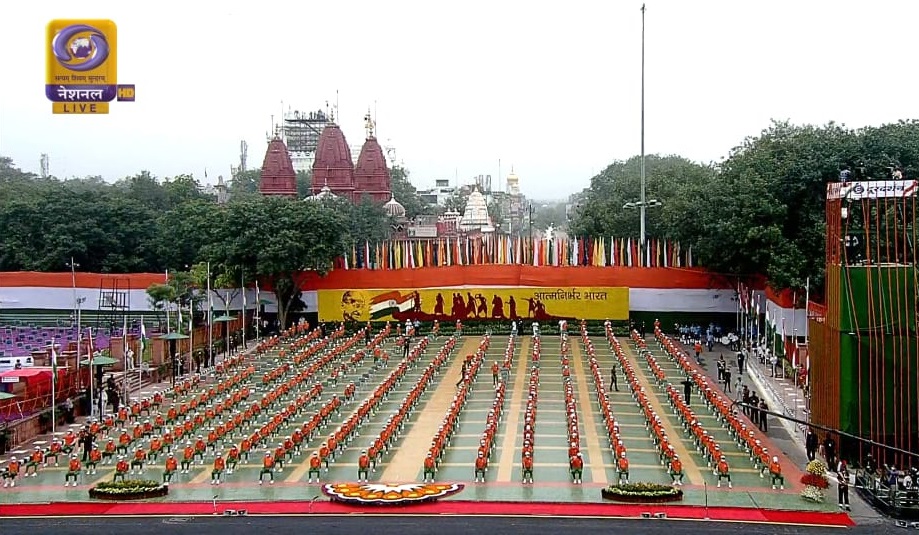
The Manakapure family belongs to a small village, koganoli in Kolhapur district on the border of Maharashtra-Karnataka. He lives in New Delhi.
Saphal this said " It was an honour for him and his team members to serve the country on the Independence Day in such a different manner during this pandemic. He added " the opportunities have guided his entire team to work in every possible adverse conditions."
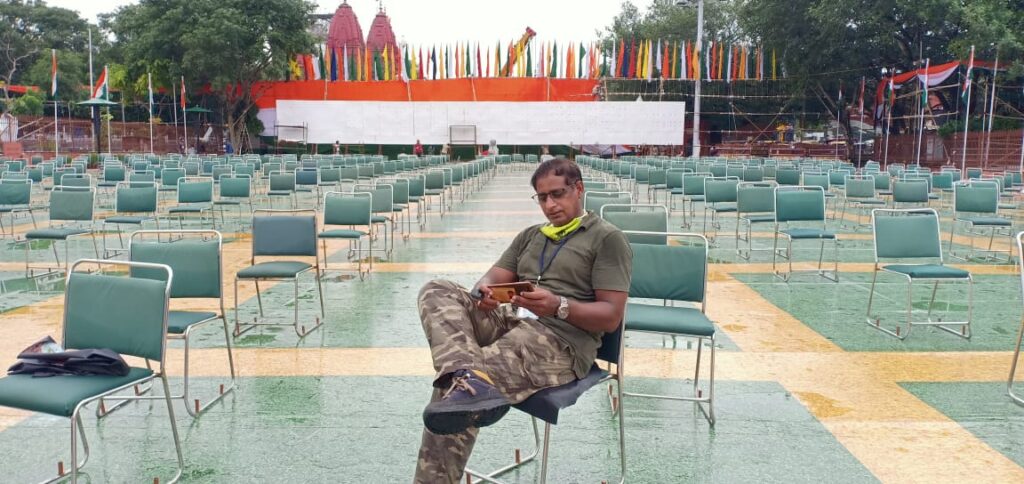
Safal Manakapure’s contact details (not for publication: safalmanakapure@gmail.com, 98113351255)
(VUCCD News) 17,08.2020.
A farmer receives a patent for a trap
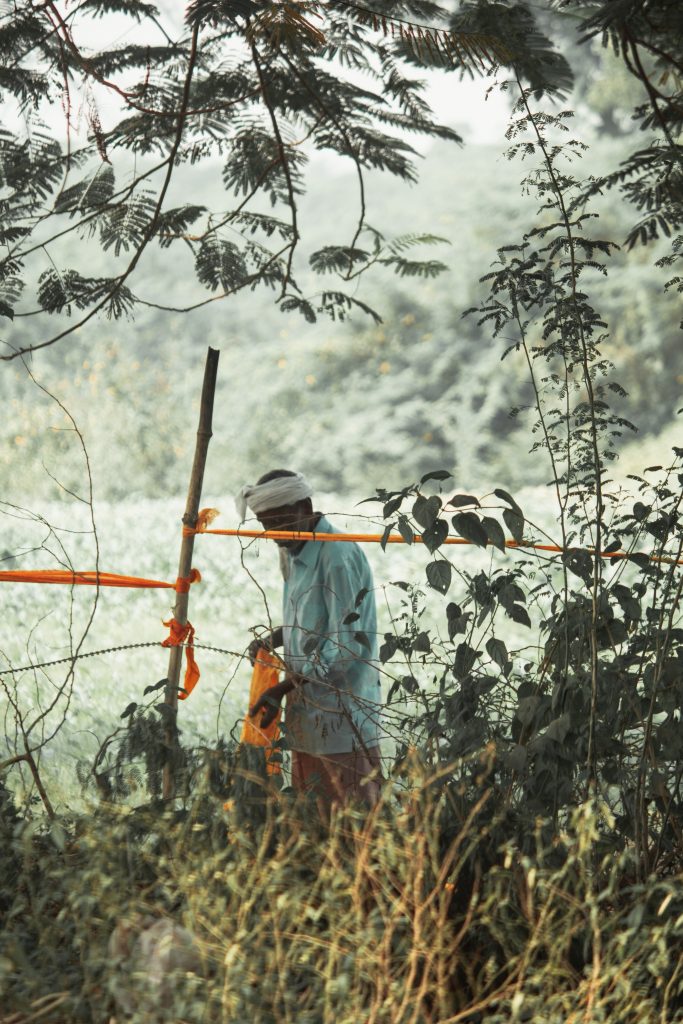
A young farmer in Maharashtra has invented a novel trap hazardous pests and insects to end the menace that adversely affects plants and humans. His invention has controlled pests and insects such as bollworms, moths and other worms which can be devastating to agricultural crops.
The farmer, Mr Kantilal Bhomraj Patil, of Mangrul village, Chopda tehsil of North Maharashtra, has been granted patent 201821002187, Journal no. 05/2019, publication 01-02-2019).
Kantilal Bhomraj Patil’s “EcoPest Trap’ eliminates these hazards as the invention involves the use of colored pest trap to attract a wide variety of insects. infesting commercial crops, greenhouses, home gardens, orchards, flower and vegetable gardens and agricultural farmlands. Priced at Rs 200 (two hundred only), his apparatus utilizes a sticky substance applied to the surface of the pest trap. The number of traps required is four to 20 per acre of farm.
Farmers and farm scientists the world over have long been struggling to end the menace. As of now, these efforts are limited to the use of chemicals that are hazardous to the crops, grazing cattle and human beings moving around the field. The chemicals that kill the ‘killer’ pests destroy also many beneficial or ‘friendly insects’ which are present in the crops. His ecotrap is safe for the crops, cattle, and farmers.
Many agricultural chemicals are hazardous. Their application methods such as spraying may result in wide dispersion of the chemicals over inhabited areas. These toxic chemicals often enter in the food chain and prove harmful to animals and humans.
The attracting capability of Mr Kantilal Bhomraj Patil’s device can be enhanced by using attractant mechanisms such as food lures, pheromones (chemicals secreted by insects), lights, colors and sounds that appeal to one of the senses of the insect.
Several methods have been patented in the USA to trap pests and insects, but the type of Kantilal’s ‘EcoPest Trap’ was not conceptualised, tried, and tested in India and abroad. He has demonstrated during the field trials that the trap is effective in trapping scores of insects such as moths, white flies, aphids, jassids, thrips, onion flies, fruit flies, cucumber beetles, fungus gnats, leafhoppers, frog hoppers, flea beetles, leaf miners, cabbage white butterfly and others.
The pest trap has a solid support of water resistant corrugated plastic or glass that enables partial reflection of light.
The trap has LED ( (light-emitting diodes) or also natural sunlight. The LED helps to lure the insect pests that are active during the night. One or more LED light are provided with a switch them on or off. Additionally, the LED light is also connected to a timer for controlling the period of the light emission. The LED, the switch and the timer are together connected by a circuit placed securely in a box. The LED light is also connected to a sensor for sensing the decrease in the intensity of light during evenings. The sensor aids in switching on the LED. The LED remains on as per the timings set on the timer. The LED light is of not more than 0.5 to 1 Watt power and hence is cost effective.
During the day time, LED is not required and not used. The pest trap is still active because of the color of the solid support. The solid support is made of a color which is naturally attractive to insects and pests. Although other colors are also helpful in attracting the insects, yellow, blue, reddish orange are more effective. Because of the yellow, blue or reddish orange color, the pest trap attracts the insect pests without the aid of any light source.
The power to the source of light is given by a single AA battery. The battery is a non-rechargeable and can be changed when required. The battery is optionally rechargeable and can be recharged as required. The battery can also be recharged by keeping a solar plate to recharge the battery.
It is not always necessary to keep the LED lights on, because during fixed time of the day, because all the insects are not harmful. The power to the LED light is controlled by a timer. The timer may be an automatic timer or a remotely controlled timer that can be controlled by the mobile or such instrument of the farmer. The timer may also be connected to a sensor. The sensor senses low sunlight such as after sunset till sunrise and aids in switching the LED lights on and off.
The solid support is arranged in the soil to form a T or an inverted V or U shape and a sticky substance evenly spread on the solid support. The sticky substance is a non-drying, non-freezing, water resistant and heat resistant resin glue. Once the solid support is covered with insects, the glue may be washed off by any easily available solvent such as alcohol or acetone and the solid support may be reused several times.
The pest trap can be placed at a required height of the plants by securing it to any suitable means such as bamboo sticks or metal rods. The trap may be dangled on trees by means of strings attached to the solid support.
The pest trap is covered with sticky material which does not dry out and therefore, the trap functions till the surface area is fully covered with insects even in the rainy season. The pest trap is non- poisonous, weather proof, easily installed and durable.
Mr Kantilal Bhomraj Patil is a science graduate from Jalgaon’s ….University with no technical background in designing and developing any agro product. He took up the development of ‘EcoPest Trap’ sheerly because he wanted to get rid of the menace of pests and insects hovering over his own family farm at Mangarul. His trap has received an award at Indian Council for Agricultural Research, New Delhi, at Mahatma Phule Agricultural University, at Rahuri, and was presented exhibitions and conferences in several places in Maharashtra.
Original source of the story: Daily Agrowon
Contact details: info.innovateagro@gmail.com

How organic farming is becoming a tool in the hands of poor women to fight poverty and patriarchy?
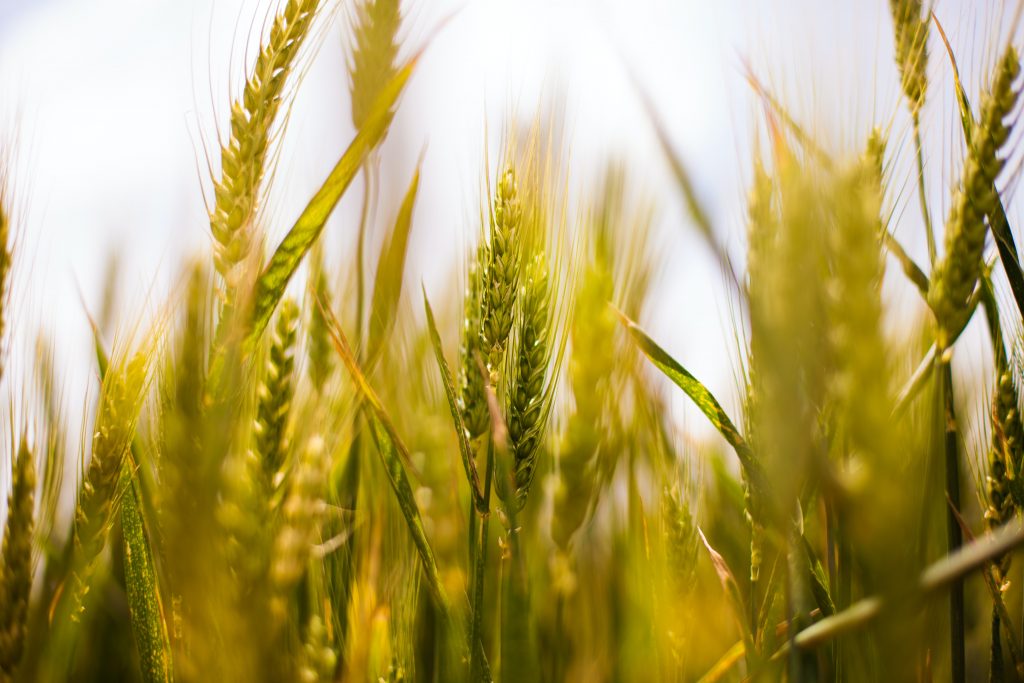
When Sunita Kamble and other women in Salgara Divti village in Osmanabad district decided to join farming the men in the village ridiculed them. “ Despite putting huge efforts and money we are not able to grow anything. Men are committing suicide because of crop failures and what miracle you are going to do by joining cultivation?” was the frequent question village women had to face.
But Sunita and other women were determined to grow foodgrain and vegetables. While men were after cash crops that guzzled water, women wanted to grow food grain and vegetables for their families. “ Not many men were ready to allow women to join cultivation. We decided to take a barren land on rent and do farming” Sunita said.
With water scarcity and lack of money, women resorted to traditional farming. “ There were no pesticides and fertilizers earlier and still our forefathers did farming. We are not producing for masses but for our families” she says. Experts are talking about organic farming in recent times, but these women have been traditionally doing farming that excludes synthetic inputs.
This farming relies mostly on agronomic practices such as cropping systems, green manuring, on-farm inputs such as crop residues, farmyard manure, enriched composts, vermicompost, oil cakes and bio-fertilizers for nutrient management of crops. Pests and diseases are managed by eco-friendly farming practices of crop rotation, trap crops, bio-pesticides like neem-based formulations, bio-control agents, mechanical traps, etc. This contributes to reducing environmental pollution and maintaining clean surroundings.
When women insisted on such farming they were ridiculed but in the last few years, Sunita and hundreds of women like her have toiled hard to prove their point. Today, these women are not just growing food grain and vegetables for their families but are also earning profit by selling the surplus in the market.
The market for organic produce is multiplying not just in Maharashtra but across the country.
As per a study conducted by the Yes Bank in association with Agricultural and Processed Food Products Export Development Authority (APEDA) and Association For Indian Organic Industry the domestic market was approx. Rs. 500-1000 crore during the year 2014-15 in India.
The Organic Farming Policy, 2005 seeks to promote technically sound, economically viable, environmentally non-degrading, and socially acceptable use of natural resources in favour of organic agriculture.
Rahibai Popere, an Adivasi farmer of Ahmadnagar district, has conserved about 43 varieties in the case of 17 crops (paddy, hyacinth, millets, pulses, oilseeds, among others) by establishing a germplasm conservation centre . She says that we cannot feed poison to our people. She adds that food grain grown using massive fertilizers and pesticides have already started affecting humans and the environment.
In another study conducted by ASSOCHAM during the year 2016-17 the Indian domestic market was estimated at Rs. 4000 crore and it was projected to increase by Rs.10,000-12,000 crore by the year 2020. According to ASSOCHAM India has witnessed the market growth to Rs 4,000 crore in 2016-17 from Rs. 675 crore in 2009-2010 with an annual growth rate of 25%.
As feminization of agriculture gains root, more Sunitas and Rahibais will join the new Green Movement in Indian fields to secure a better future for the next generations and also strengthen the economy of their families and villages.