
Combating ‘Scourge of India, the Terminator’
Tiny beetle leads a biological Warfare to control congress grass
By
Dr Kiran Thakur
Professor Emeritus
Director
VU Centre of Communication for Development
Department of Journalism & Mass Communication

E-Schooling for Pre-Schooling?
by Anamika Chauhan
Education institutions across the country still remain close in the wake of the coronavirus pandemic and its severe waves.
With the closure of schools, educational institutions had turned to online classes. Online classes are providing students a way to catch up on the lost classes and continuation in education due to prolonged lockdowns.
However, attending classes online has given rise to a host of problems, not just for students but also for their parents.
Arohi Vairadkar is a student from the 2nd class. Over the past year, she has been studying online.
“Covid-19 not only suspended normal childhood activities such as attending school, interacting with extended family and friends, playing outdoors, and exploring nature but also disrupted the consequent socio-emotional benefits that accrue from children’s engagement in these experiences,” says Arohi’s mothers.
Online classes have taken a toll on students as they are facing eye problem and is even affecting them mentally.
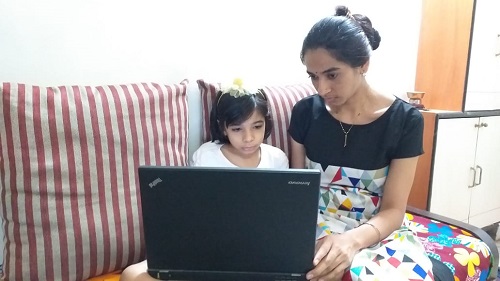
Over the one-year period of e-classes, everyone has addressed health complications including obesity and lack of social skills and the other long-term effects of excessive screen time because children are glued to screens.
On the other hand, it is not just about students; but also their parents.
The parents are working, teaching, and parenting at the same time thus online classes have taken a toll on them too.
“My daughter is in second class now. Even after one year of adjusting to this new normal, things are getting worse. The schedule has changed, I run late for my work every day because she needs me before, during, and after the class. Because everything is online he easily gets distracted. Now I need to pay more attention to her and my workload has increased. She always complaints to me that her eye is paining .” said Arohi’s mother.
There was a time when children were not allowed to spend much time watching television but now it is related to their future. Even after such adverse effects on children, parents can’t even stop them from using laptops and phones because it is concerned with their future.
Undoubtedly, this is the strangest period of a growing kid’s life as well as parents, being trapped in a house, not being able to meet friends, no travel, and increased workload.
Anamika Chauhan
SY-Department of Journalism and Mass Communication
Vishwakarma University, Pune.
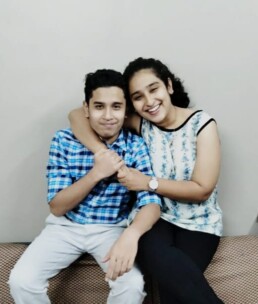
Revamping and Automating Children’s Lifestyle?
by Prajakta Khedkar
“We sense that normal is not coming, that we are being born to the new normal: a new kind of society, a new relationship to the earth a new experience of being human.”
-Charles Eisenstein
Sooner and little did we know we all were going to caged within four walls because we did see what is coming our way. My younger brother who used to crib about going to school every day now misses and keeps wishing that he gets to attend an online school. But also, is happy that he is able to spend time with us all and on himself.
Making real-world connections and spending quality time with friends and family in person is now just a memory in albums. Studying in real classrooms was so much fun, says my younger brother. But on the other hand, he enjoys helping us in the kitchen and doing more of his table tennis sessions, doing python and java courses at the age of thirteen, which really amuses me and I start retrospection.
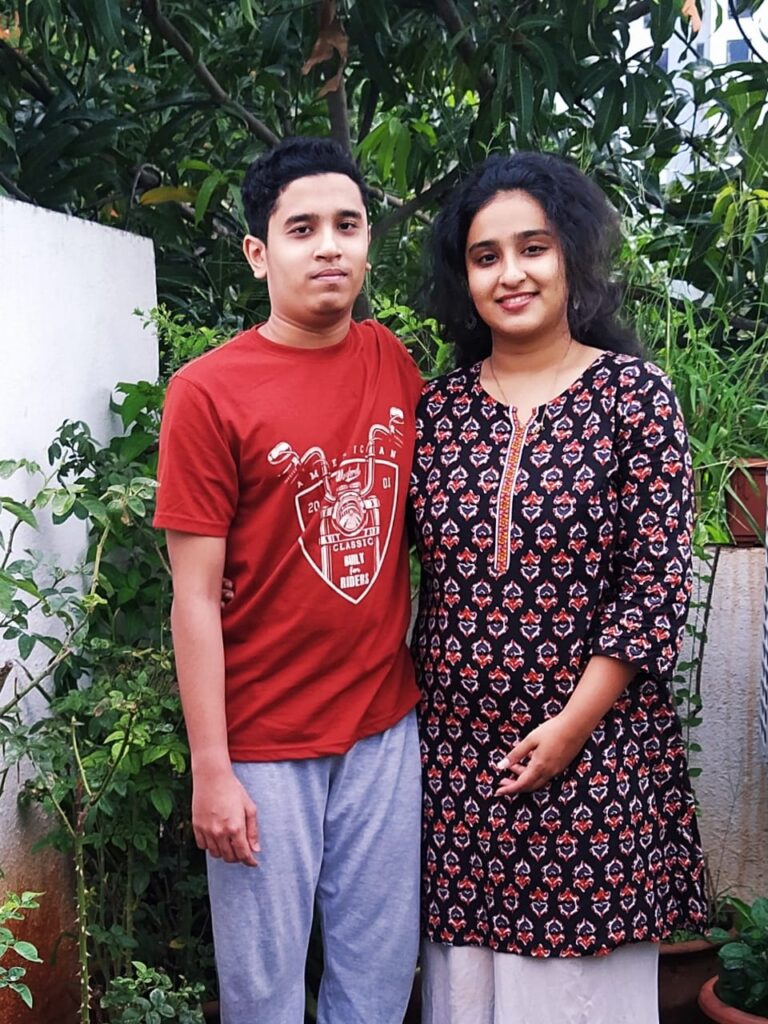
Not being able to attend schools, stuck at home now understands that the world around us is falling apart and responded by saying if there is no better time for this to happen. My younger brother says how beautiful it is outside; scorching heat of summers and everyone is at home having lunch and dinners together- little of what we used to do before lockdown, chit-chatting, dancing to random music and playing cards, doing fun things together, everything is in place even when the outside world is unstable. This coming from a 13-year-old, just thought to myself that my brother is becoming wiser and growing mature. While we, grown-ups and adults are complaining about stepping out and do our things, these kids definitely are raising us.
Ending with a big shoutout to everyone who won’t be going back to normal! Those who will refuse to allow the nonsense they used to. Those who will set new healthy standards. Those who will let go, forgive, and move on. Those who will finally act upon their goals and dreams. Those who will come out of this stronger than ever!
Prajakta Khedkar
TY-Department of Journalism and Mass Communication
Vishwakarma University,Pune.
"Shukriya" - An Audio Visual Tribute to Healthcare Fraternity (Online Launch Program)
https://youtu.be/mAm7PmHolxY
"Shukriya" - An Audio Visual Tribute to Healthcare Fraternity
Vishwakarma University, Pune offers a humble tribute to all the doctors, nurses and frontline healthcare workers for their selfless & exemplary service throughout the ongoing Covid-19 pandemic and for going above and beyond the call of duty to save humankind.
We offer “Shukriya”, an audio-visual tribute as a symbol of our deep gratitude to the entire healthcare community across India & the world. The poignant track “Shukriya”, has been penned by Mrs. Swati Kelkar, and has been produced by School of Music and Department of Journalism and Mass Communication, Vishwakarma University.
"Shukriya" - An Audio Visual Tribute to Healthcare Fraternity
https://www.youtube.com/watch?v=5o_KQU_MOno
Vishwakarma University, Pune offers a humble tribute to all the doctors, nurses and frontline healthcare workers for their selfless & exemplary service throughout the ongoing Covid-19 pandemic and for going above and beyond the call of duty to save humankind.
We offer “Shukriya”, an audio-visual tribute as a symbol of our deep gratitude to the entire healthcare community across India & the world. The poignant track “Shukriya”, has been penned by Mrs. Swati Kelkar, and has been produced by School of Music and Department of Journalism and Mass Communication, Vishwakarma University.
Conceptulized by : Mrs. Trupti Agrawal
Produced by : School of Music and Department of Journalism and Mass Communication
Directed by : Prof. Ravi Nikam
Music Direction : Prof. Ruchira Kedar

Vishwakarma University among top 200 global universities in Times Higher Education rankings in Affordable and Clean Energy.

Pune based Vishwakarma University (VU) has featured among the top 200 world universities in the prestigious Times Higher Education (THE) Impact Rankings 2021 in the Affordable and Clean Energy category.
VU is one of the youngest universities to participate in the rankings. VU has been placed in the band of 601-800 in overall rankings across the participating universities and in the top 300 in Access to Clean Water and Sanitation parameter.
These rankings are the only global performance tables that assess universities against the United Nations’ Sustainable Development Goals (SDGs). Carefully calibrated indicators are used to provide comprehensive and balanced comparison across four broad areas: research, stewardship, outreach and teaching while deciding the ranking. The 2021 Impact Rankings is the third edition and the overall ranking includes 1,117 universities from 94 countries/regions.
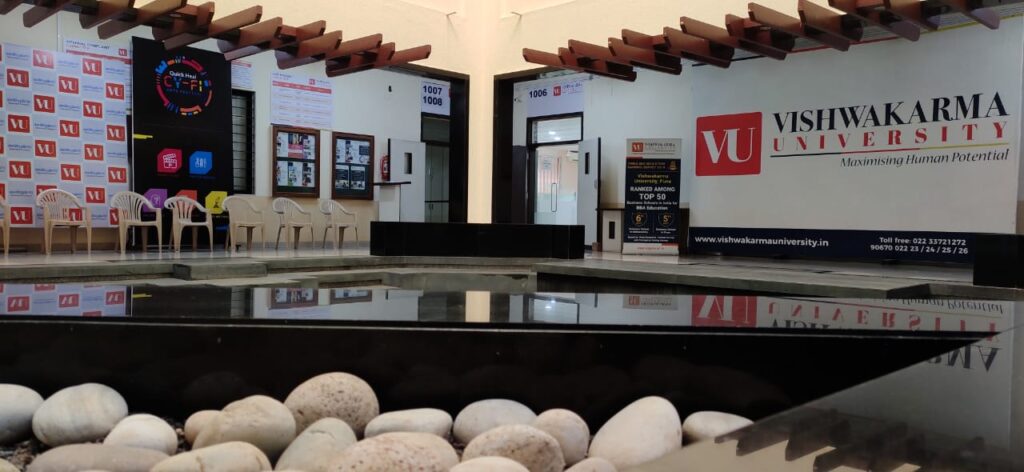
“ We have transdisciplinary Centres of Excellence, such as Eco-Campus, collaborative centre with Integrated Environmental Services, WILO - VU Water Quality Centre of Excellence and an ecosystem to create a synergy between industry, students, faculty, and stakeholders. These centres aim to provide a sustainable solution for real-life problems. We are playing our role to facilitate government’s target to achieve energy security, energy access and reduction of the carbon footprints” said Bharat Agarwal, President, Vishwakarma University.
VU Vice-Chancellor Professor Siddharth Jabade said, “ VU has strategically integrated the SDG mission in teaching-learning, student projects, internships and thoughtfully calibrated national and international collaborations. Students are sensitized to SDGs goals and they take it forward in personal and professional lives. Our efforts are in consonance with India's commitments to reduce greenhouse gas emissions intensity and achieve high electric power capacity from non-fossil sources by 2030”
VU team led by Prof. Shraddha Khamparia, including Prof. Chetan Kapadnis, Prof. Avadhut Atre, Prof. Dhananjay Bhatkhande, Prof. Kailas Patil, Prof. Dipmala Patil, Prof. Yogesh Deshpande, Prof. Amol Randive, Prof. Bhupender Singh, Prof. Maya Kurulekar, Prof. Mrunmai Ranade played a key role in the university's mission to be a part of THE Impact Rankings 2021.
Team VUCCD
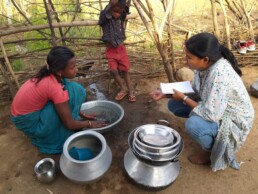
पत्रकारितेचे तळागळातील नीतू सिंग कनेक्शन
२०२० साठीचा चमेली देवी जैन उत्कृष्ट महिला माध्यमकर्मी पुरस्कार "गाव कनेक्शन' या ग्रामीण भारताचे वार्तांकन करणाऱ्या माध्यमसंस्थेच्या नीतू सिंग यांना प्रदान करण्यात आला.
या पुरस्कारासाठी समांतर माध्यमात काम करणाऱ्या नीतू सिंग यांची निवड अनेक पातळ्यांवर महत्वाची आहे.
द मीडिया फाउंडेशन कडून देण्यात येणाऱ्या प्रतिष्ठेच्या चमेली देवी जैन उत्कृष्ट महिला माध्यमकर्मी पुरस्काराचे वितरण नुकतेच झाले. २०२० साठीचा चमेली देवी जैन उत्कृष्ट महिला माध्यमकर्मी पुरस्कार "गाव कनेक्शन' या ग्रामीण भारताचे वार्तांकन करणाऱ्या माध्यमसंस्थेच्या नीतू सिंग यांना प्रदान करण्यात आला. या पुरस्कारासाठी समांतर माध्यमात काम करणाऱ्या नीतू सिंग यांची निवड अनेक पातळ्यांवर महत्वाची आहे.
सध्याची माध्यमांची स्थिती पाहता अनेक वेळा प्रेक्षक आणि वाचक विचारतात, मग आम्ही काय वाचायचं आणि पहायचं? त्यातही ग्रामीण भारतातील विषय मुख्य प्रवाहातील माध्यमात क्वचितच वाचायला आणि पाहायला मिळतात. मुख्य प्रवाहातील माध्यमांमध्ये ग्रामीण भारताचं प्रतिबिंब म्हणावं तेवढ दिसत नाही हा आता काही नवीन चर्चिण्याचा मुद्दा नाही. त्यातूनच ग्रामीण भारताचे स्वतंत्र्य वार्तांकन करतील असे समांतर प्रयोग माध्यमात सुरु झाले. त्यातीलच एक महत्वाचे नाव म्हणजे "गाव कनेक्शन'. याच गाव कनेक्शनच्या नीतू सिंग यांना या वर्षीचा मानाचा चमेली देवी जैन उत्कृष्ट महिला माध्यमकर्मी पुरस्कार प्रदान करण्यात आला. चमेली देवी जैन यांच्या नावाने १९८१ पासून हा पुरस्कार दिला जातो. समाजिक जाणिवेसह, पत्रकारितेप्रतीचे समर्पण आणि निष्ठा तसेच धैर्याने काम करणाऱ्या महिला माध्यमकर्मींना हा पुरस्कार दिला जातो.आतापर्यंत नीरजा चौधरी, तिस्ता सेटलवाड, बरखा दत्त, सुनिता नारायण, महाराष्ट्रातील अलका धुपकर, प्रियंका दुबे, अरफा खानुम, रोहिणी मोहन इ. महत्त्वाच्या माध्यमकर्मीना हा पुरस्कार प्रदान करण्यात आला आले. यातील अनेक पत्रकार ह्या मुख्यप्रवाहतील माध्यमात काम करणाऱ्या होत्या. त्यामुळं समांतर माध्यमात काम करणाऱ्या नीतू सिंग यांना हा पुरस्कार मिळण याचं वेगळा महत्व आहे.
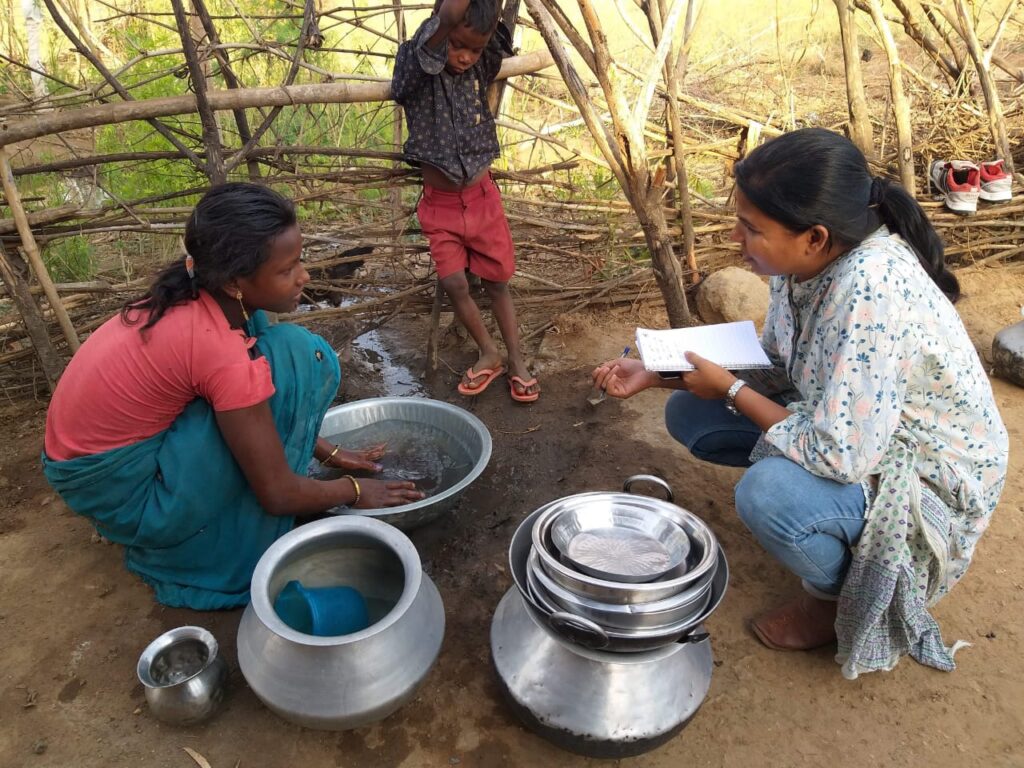
गाव कनेक्शन ही ग्रामीण भारताचे सखोल आणि प्रयोगशील वार्तांकन करणारी माध्यम संस्था आहे. तसंच यातील बातम्या आणि वार्तांकन हे ग्रामीण वाचक आणि प्रेक्षकांना केंद्रस्थानी ठेऊन करण्यात येतं. सर्वसाधारणपणे मुख्य प्रवाहातील बातम्या ह्या शहरी वाचक आणि प्रेक्षकांना केंद्रस्थानी ठेऊन करण्यात येतात. त्यातले एक महत्वाच कारण म्हणजे बातम्यांसोबत येणाऱ्या जाहिरातींचा ग्राहक हा बहुतांश शहरी असतो. अशा शहरकेंद्री माध्यम अवकाशामध्ये गाव कनेक्शन सारखे प्रयोग ग्रामीण भारताचे शक्य होईल तेवढे प्रतिनिधित्व करण्याचा प्रयत्न करत आहेत. शक्य तेवढ्या रिसोर्सेसमध्ये ही माध्यमसंस्था दर्जेदार ग्राउंड रिपोर्टिंग करत आहे. तसेच ग्रामीण भारतातील प्रश्नांना वाचा फोडणारा दबावगट म्हणूनही गाव कनेक्शनकडं पाहिलं जातं. सध्या तरी गाव कनेक्शनने उत्तर भारतातील अनेक राज्यांमधील ग्रामीण भागांमध्ये आपला प्रभाव सिद्ध केला आहे. ग्रामीण भारताचे ग्राउंड रिपोर्टिंग हे गाव कनेक्शनचे बलस्थान आहे. गाव कनेक्शन फक्त ग्रामीण भारताचं वार्तांकन करत नाही तर ग्रामीण भारतातील नागरिकांचा माध्यमातील सहभाग वाढविण्याचा प्रयत्नही करत आहे. तसचं त्यांच्यापर्यंत बातम्या पोहचाविण्यासाठीची नवीन प्रयोगशीलताही आत्मसाथ करून ग्रामीण वार्तांकनाची नवीन शैली माध्यमात रुजविण्याच्या दृष्टीने गाव कनेक्शनचे महत्व आहे.
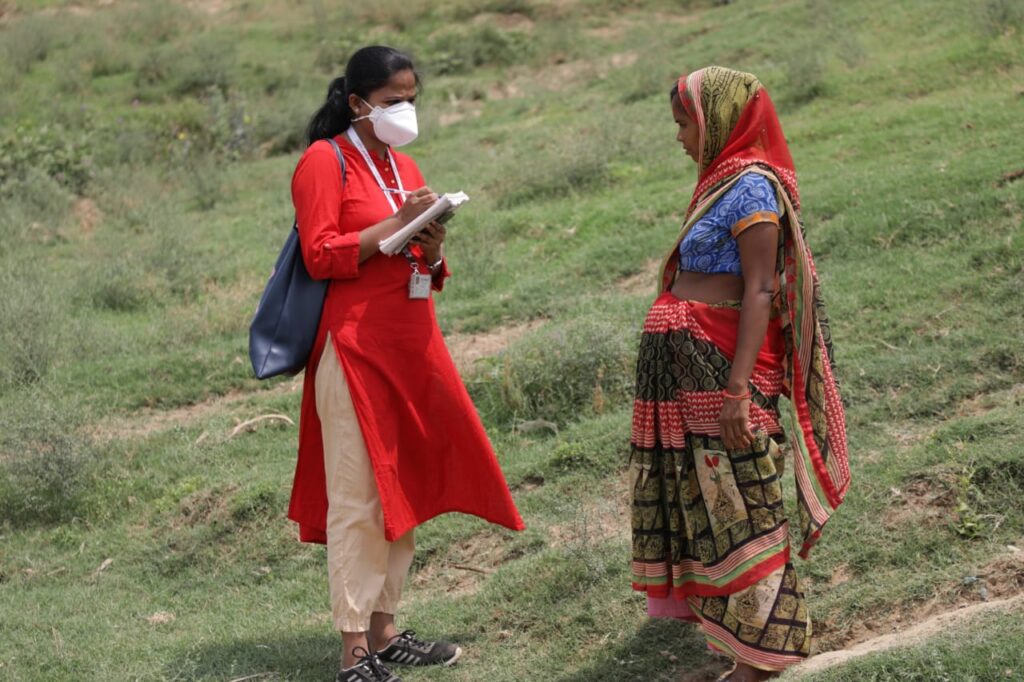
नीतू सिंग यांना मिळालेल्या पुरस्कारामुळे गाव कनेक्शन सारख्या समांतर माध्यमांचे महत्व अधोरेखित झाले आहे. तसाच ग्राउंड रिपोर्टिंगची जी पोकळी माध्यमात निर्माण झाली आहे, ती भरून काढण्याचे काम गाव कनेक्शन सारख्या संस्था करत आहेत. ज्या वाचक, प्रेक्षकांना माध्यमातील सध्याच्या परीस्थितीमध्ये काय पहायचं आणि वाचायचं हा प्रश्न पडला असेल त्यांच्यासाठी गाव कनेक्शनसारखे प्रयोग पर्याय असू शकतात.
ग्रामीण भागातील स्त्रियांच्या जगण्याचे वार्तांकन करण्यासाठी नीतू सिंग यांना एकमताने २०२० साठीचा चमेली देवी जैन उत्कृष्ट महिला माध्यमकर्मी पुरस्कार देण्यात आला. महिला सबलीकरण, लैंगिक हिंसाचार आणि दलितांवरील अत्याचारांवर नीतू सिंग या सातत्याने वार्तांकन करत आहेत. ज्या वार्तांकनासाठी नीतू सिंग यांना हा पुरस्कार मिळाला त्यातील "बलात्कारानंतर' ( मुळ इंग्रजी After the Rape) हे वार्तांकन महत्वाचे आहे. बातम्यांच्या हेडलाईन्स न बनलेल्या ग्रामीण भागातील बलात्कार पीडितांच्या बलात्कारानंतरच्या खडतर आयुष्यावर प्रकाश टाकण्याचा प्रयत्न नीतू सिंग यांनी केला होता. गाव कनेक्शनच्या संकेतस्थळावर हे वार्तांकन आपण वाचू शकता. बाराव्या वर्षी बलात्कारामुळे माता बनलेली पिडिता, बलात्कारानंतर कुटुंबांनेच वाळीत टाकलेल्या पिडितांच्या जगण्याला वाचा फोडण्याचे काम नीतू सिंगने केले आहे. ह्या सर्व केसेस ग्रामीण भारतातील आहेतच आणि या सर्व पीडिता ह्या दलित, अल्पसंख्यांक समाजातील असल्यामुळे त्या कधीच बातमी आणि हॅशटॅग बनल्या नाहीत. बातमी बनलेल्या पीडितांचे त्या घटनेनंतरचे आयुष्य माध्यमात येत नाही. नीतू सिंग यांचे वार्तांकन म्हणजे बलात्काराच्या केसेसचे वार्तांकन कसे करावे याचा संवेदनशील परिपाठ आहे. नीतू सिंगसाठी देखील हा प्रवास खडतर होताच. समांतर माध्यमात काम करणाऱ्या पत्रकारांना अतिशय मर्यादित रिसोर्सेसमध्ये काम करावं लागतं. नीतू सिंग यांच्याशी हा पुरस्कार मिळल्यानंतर बोलताना पैसे वाचविण्यासाठी पायी जाऊन कराव्या लागलेल्या वार्तांकनाच्या आठवणी त्या सांगत होत्या. कमी रिसोर्सेसमध्ये काम करणाऱ्या पत्रकारांना जास्तीत जास्त कौशल्ये आत्मसात करावी लागतात. म्हणजे वार्तांकन करण्यापासून ते त्यांचं संपादन आणि दृकश्राव्य स्टोरीमध्ये व्हिडिओ एडिटिंगपर्यंत सगळ्या गोष्टी स्वत:ला करता येणं गरजेचं असतं. कमीत कमी मनुष्यबळांमध्ये जास्तीत जास्त काम करावं लागतं. कामाचा दर्जाही टिकवावा लागतो. खूप पैसा मिळतो असंही नाही, त्यामुळं उदरनिर्वाहाचा प्रश्न आहेच. पण या सगळ्यात तुमची पत्रकारिता, आवाज नसलेल्या समूहांचे प्रश्न मांडण्याची तळमळ तुम्हाला पत्रकार म्हणून जिवंत ठेवते असं नीतू सिंग सांगतात. नीतू सिंग यांना मिळालेला पुरस्कार हा तळागाळातील लोकांचे प्रश्न आपल्या पत्रकारितेतून मांडू इच्छिणाऱ्यांसाठी प्रोत्साहन देणारा आहे. अशी पत्रकारिताच सध्याच्या काळातील लोकशाहीमधील माध्यमांचे महत्व अधोरेखित करीत राहणार आहे. तळागाळातील ग्राउंड रिपोर्टिंग जिवंत ठेवणार आहे. त्यामुळं गाव कनेक्शनसारख्या माध्यमसंस्था वाढल्या पाहिजे. त्यातून अनेक नीतू सिंग तयार होण्याच्या शक्यता आहेत, ज्या तळागळातील समूहांपर्यंत पोहचून त्यांचा आवाज बनू शकतील. (साभार : रसिक, दै. दिव्यमराठी)
(लेखक प्रा. अभिषेक भोसले, पुण्यातील विश्वकर्मा विद्यापीठाच्या पत्रकारिता आणि जन संज्ञापन विभागात व्याख्याते आहेत)
email - abhishek.bhosale@vupune.ac.in
Lest We Should Forget This Sailor..
Who Changed the Geopolitics of South Asia With the humiliating defeat of Pakistan and led to the birth of Bangladesh Fifty years ago, in 1971
The ten-day golden jubilee celebrations of Independence of Bangladesh from Pakistan have already begun and it is scheduled to culminate into a grand finale on March 26 in the presence of Prime Minister Narendra Modi. The celebrations are to be held in several countries including India, Russia, Germany, Sweden, Hungary, Poland, Nepal and Bhutan. The historic celebrations include the birth centenary of first President Sheikh Mujibur Rahman who had spearheaded the movement for the liberation of Bangladesh from West Pakistan.
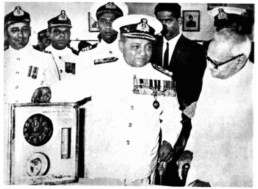
Without any doubt, this is a major international event for India and Bangladesh. But going by the news coverage in both the countries during the past few days, it would appear that the hero who shaped the destiny of South Asia, is being forgotten in the media glare. He is the hero of the India-Pakistan war from 3 Dec 1971 – 16 December 1971. He is Vice-admiral Neelakanta Krishnan.
He led the Eastern Naval Command and created history with the sinking of the dreaded Pakistani submarine PNS Ghazi with over 90 men aboard. His leadership is regarded as one of the high points of India's first-ever emphatic military victory.
It is, however, not my case that late Vice-admiral Neelakanta Krishnan’s valour and war tactics have not been acknowledged in India so far. On the contrary, a grateful nation decorated him with the highest awards, Param Vishisht Seva Medal, and Padma Bhushan. He has been loved, adored and respected as the Sailor’s Admiral after he retired, and during the rest of his life.
I have been his admirer and have felt that during the current celebrations in India and Bangladesh, his role in the 1971 war should have been acknowledged and evaluated in the media and in the books of history. His autobiography is already folklore and he is a legendary hero. His stories need to be carried into textbooks at all levels and in all Indian languages.
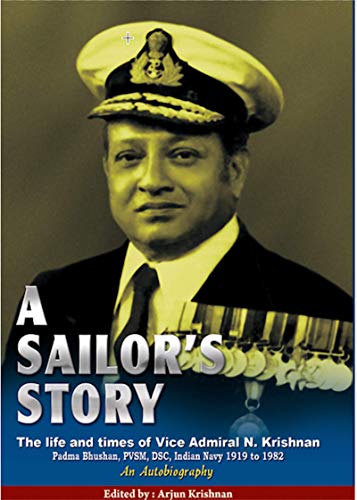
I do agree that his son Arjun Krishnan has published a very good autobiography ‘A Sailers Story,’ Sadly, the book is out of print. Mr Arjun Krishnan has published English, Hindi,Marathi, Tamil and Malayalam e-book editions of ‘A Sailor’s Story. (https://www.facebook.com/
Mr Arjun Krishnan has plans to publish print editions in all the Indian languages and is looking for a publisher distributor. I hope he does it early as I have read the original English and Marathi translation by Mr Bhooshan Talwalkar. Both of them are excellent reads. I can only guess that the translations in other languages will be equally good.
Until he does that, let me publish some text as below from https://en.wikipedia.org/wiki/
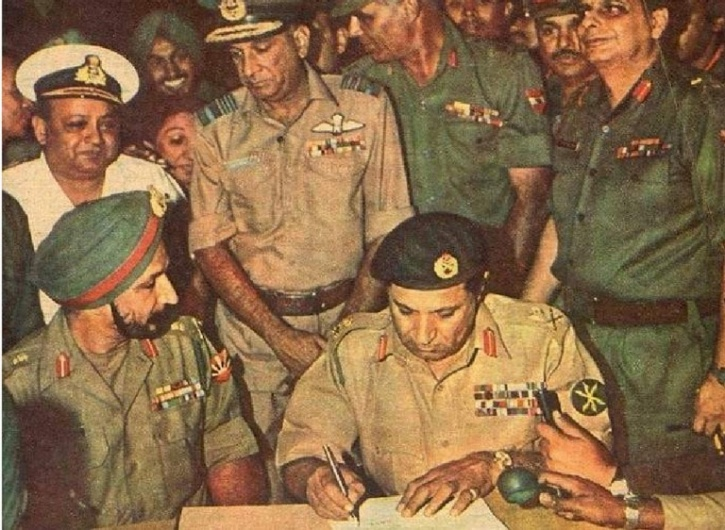
Vice admiral Neelakanta Krishnan’ command in the eastern theatre during the 1971 war led the crew of the Aircraft Carrier INS Vikrant to earn two Mahavir Chakras and 12 Vir Chakras. Under his leadership in 1971, the aircraft carrier's Seahawks struck shipping in the Chittagong and Cox's Bazar harbours, sinking or incapacitating most ships in the harbour. Krishnan was present during the signing of the Pakistani Instrument of Surrender at the Ramna Race Course. He also received the Naval surrender from the Flag Officer East Pakistan Navy, Rear Admiral Mohammad Shariff.
Sharif surrendered his TT pistol saying "Admiral Krishnan, Sir, soon I will be disarmed. Your Navy fought magnificently and had us cornered everywhere. There is no one I would like to surrender my arms to other than the Commander-in-Chief of the Eastern Fleet."
For his leadership of the Eastern Naval Command, Krishnan was awarded the Padma Bhushan in January 1972.
And also the following from the prologue from autobiography published by his son:
Vice admiral Neelakanta Krishnan (1919-1982) was one of the most decorated officers of the Indian Armed Forces with seventeen medals adorning his broad shoulders. He had earned these medals after 40 years of Distinguished Service in the Indian Navy. These included and the Distinguished Service Cross of gallantry in World War Two. Known as ‘The Sailors’ Admiral’ for his love for his beloved Navy was surpassed only by his love for his country. His son, Arjun Krishnan, says love for the Vice Admiral’s family came across third in the pecking order
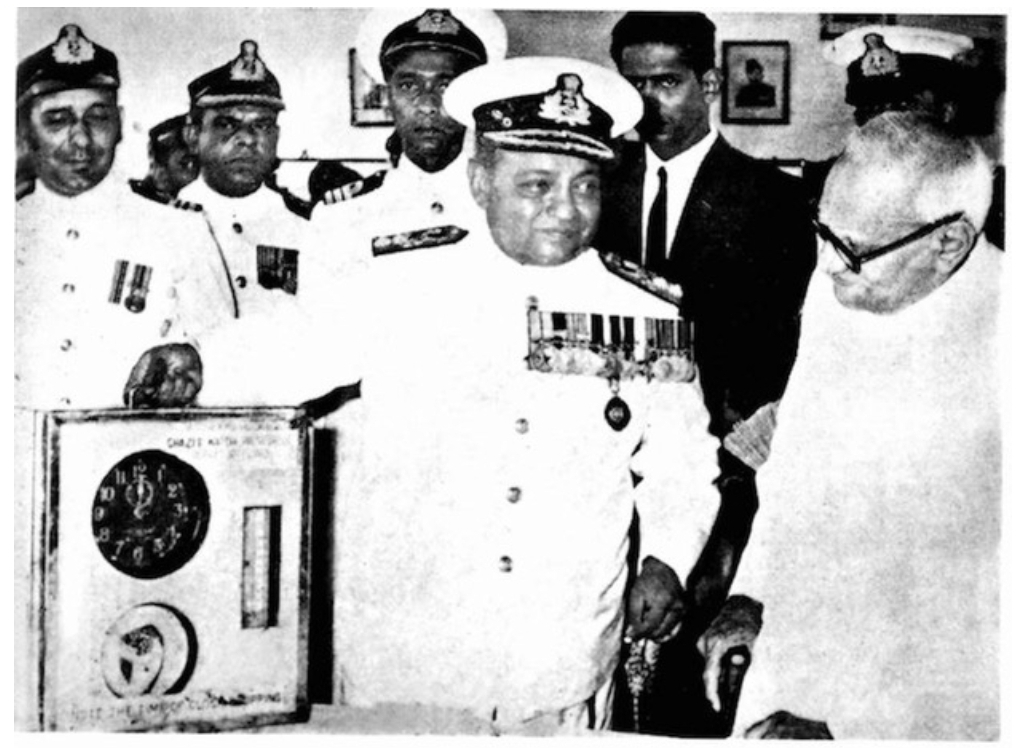
Flamboyant, charismatic and a dynamic leader of men of the Indian navy, he was an entertaining storyteller. His story is linked to the story of India from pre- Independence to post Independent modern India spending some of India's most tumultuous times seen through his eyes and his experiences.
A lesser-known fact is that he was involved in the only other Naval action brought before the 1971 Bangladesh war was the Liberation of Goa, Diu and Daman from Portugese rule in 1962.
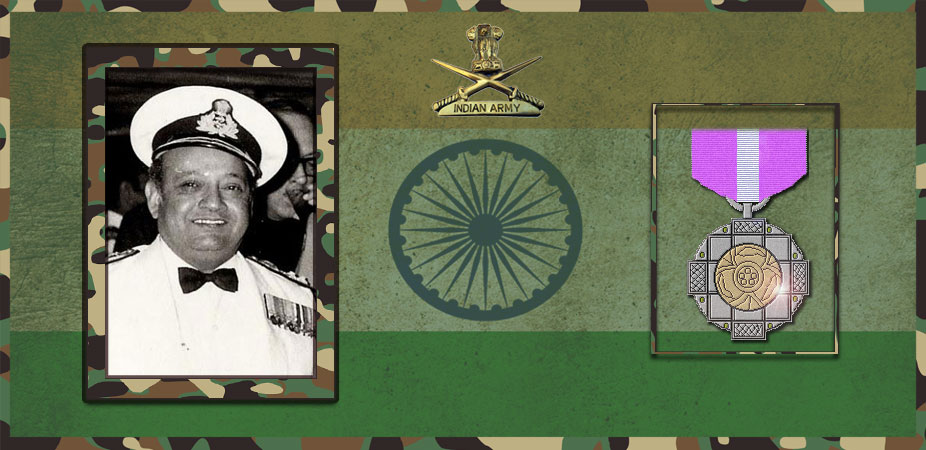
As captain of the INS Delhi’, he was responsible for the bombardment of Diu from the sea and supported by the Indian Army resulted in the unconditional surrender of Portuguese forces online and resulting in Goa Diu and Daman joining the Indian Union.
He rubbed shoulders with British Royalty, Prime Ministers, politicians, military brass, War heroes, the famous, the not so famous, extraordinary and ordinary people in the course of his life and even encounter has left a fascinating tale behind it.
He was respected by the likes of Pandit Jawaharlal Nehru, Indira Gandhi, Sardar Vallabhbhai Patel, V V Giri and veteran men and women from Britain in pre-independence India.
Through this book, The Sailor’s Story, his son narrates his father’s adventures, success, and experiences, with humour and wit.
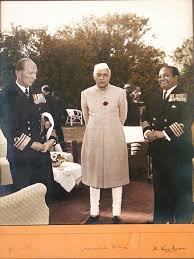
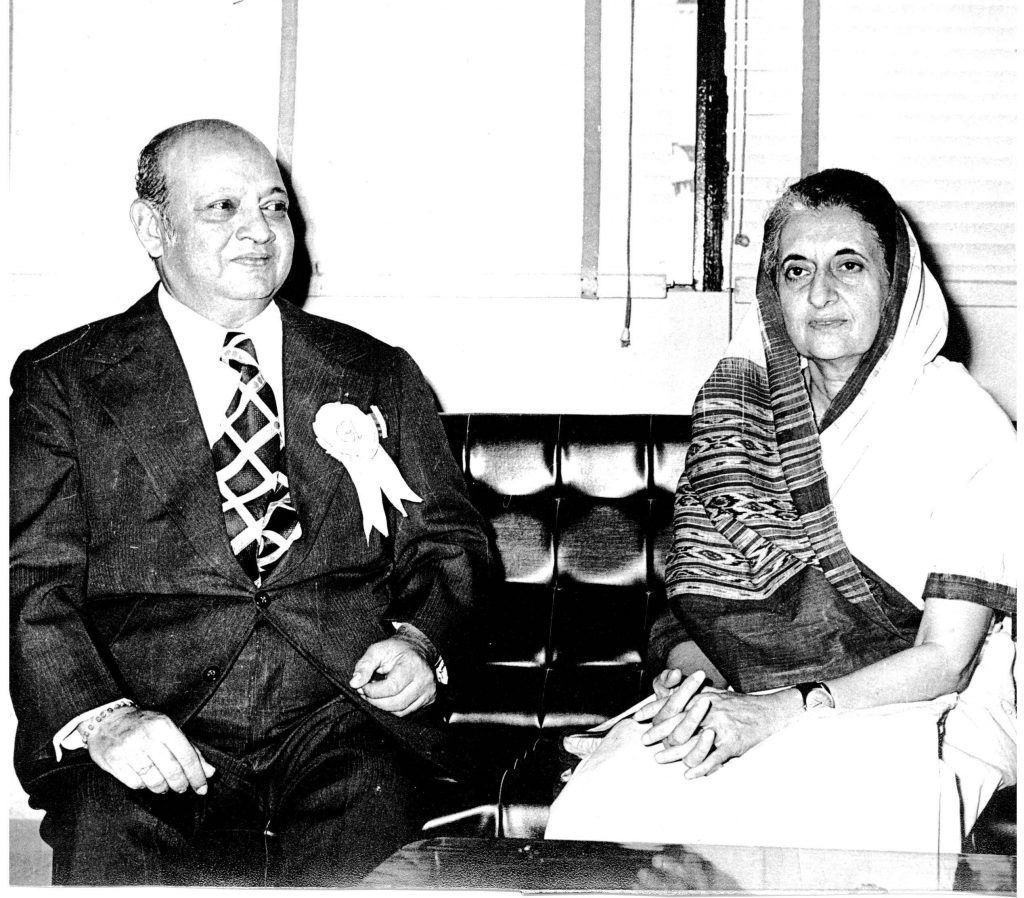
After retirement from the navy, As a special assignment, in 1973 Vice Admiral Krishnan was appointed as first Chairman & Managing Director of Cochin Shipyard Ltd., a greenfield project set up to build indigenous special duty utility & war ships. He wrote his first book ‘No Way but Surrender’ which is an account of his 1971 Indo- Pak War, published by Vikas Publishers.
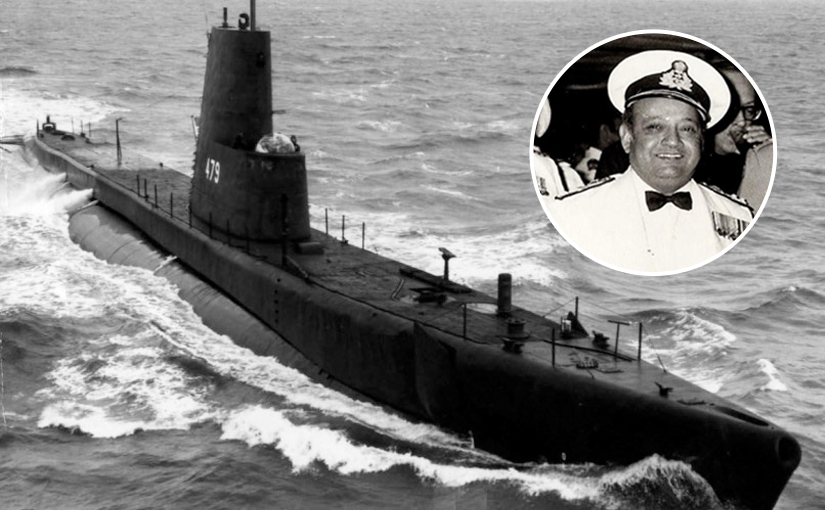
A good- 27 years after his death (1982) , Arjun Krishnan brought out The Sailor’s Story that documents his illustrious father’s story. as recorded by Arjun Krishnan in the book - 'In 2022, CSL will sail out first indigenously built Aircraft Carrier of India appropriately named 'VIKRANT', which will be a true tribute to the memory of Vice Admiral Krishnan'.
The Admiral would often say “If you cut open my chest, embedded in my heart, you will see four letters in bold “NAVY.”
By,
Prof. Dr. Kiran Thakur
Professor Emeritus
Director, Vishwakarma University- centre of Communication for development.
How Habitech-NivaraTantra Technology can solve India’s housing problem?
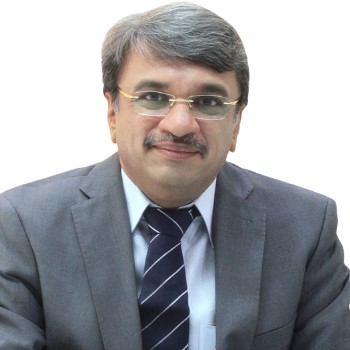
Affordable sustainable housing is a key to socio-economic development, social peace and equality. For six years Professor Siddharth Jabade and his co-inventors strived to introduce environment friendly, affordable and energy-efficient housing technology with integrated sanitation facilities. The central government has awarded their innovation titled Habitech-NivaraTantra Technology. This is the model where academia and industry have joined hands to realize the dream of Atmanirbhar Bharat.
The story goes back to Professor Jabade’s assignment as the Director of Innovation and Intellectual Property at the Asian Institute of Technology (AIT), Thailand (an international and intergovernmental institute of higher learning) wherein this invention was researched and developed along with other researchers. Professor Jabade developed the innovation strategy, the technology adaptation and proliferation blueprint along with the integration of Intellectual Property protection for this technology at AIT.
The aim and passion was to develop an appropriate platform and innovation value chain to enable facile movement of the invention in the AIT to reach to the masses to create a larger impact for a greater good.
India was always at the core of the research with the focus to facilitate the development of the indigenous capability to adapt and adopt technology so that it reaches the masses.
The target was to create an apt platform wherein the value chain of the invention that starts in the academia (laboratory), reaches out to the public (land) to create a larger impact (by technology proliferation through deployment and scaling).
To achieve the target, Prashak Techno Enterprises Pvt. Ltd. In India, headed by Dr Praful Naik was identified and invited and shouldered with the responsibility of enabling this technology in India and other parts of the world.
Professor Jabade, now Vice-Chancellor of Vishwakarma University , Pune is the member of Prashak’s Advisory Board, responsible for innovation, IP and commercialization aspect.
Habitech-NivaraTantra became reality because of techno-legal expertise and research by Professor Jabade, a qualified patent agent in India and who is involved in many of the ideation to impact innovation processes. His drive to take the idea from laboratory to land is gaining roots paving the way for wide-ranging collaboration between academia and industry.
The Innovation
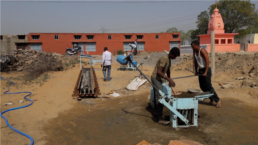
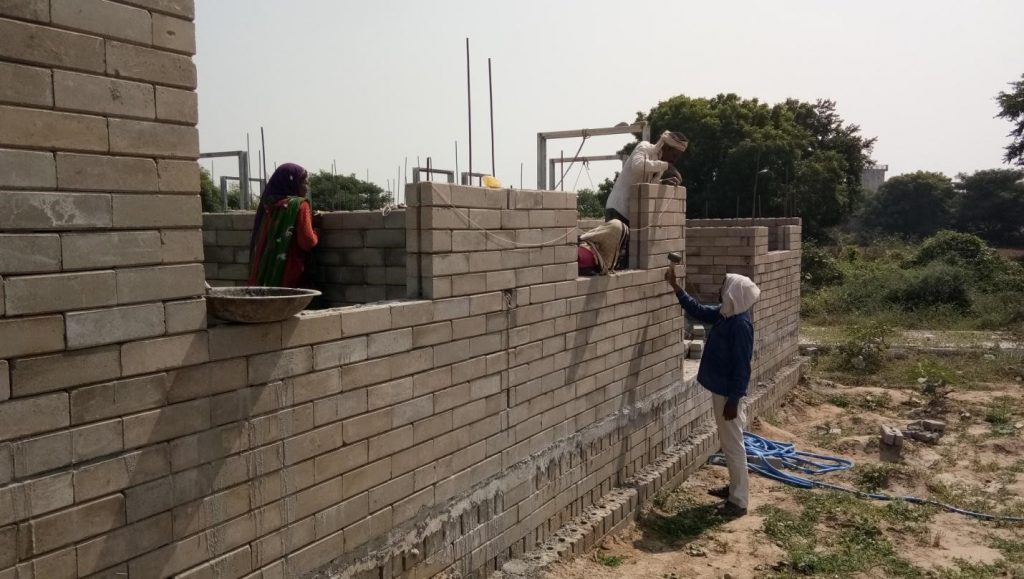
The Habitech-NivaraTantra is onsite Sanitation Integrated Community Housing Technology. Compacted intermeshing blocks made from local soil are produced on-site. These blocks with novel cavities for horizontal and vertical reinforcement using steel bars requires no use of the conventional beams, columns and concrete lintel. The cavities facilitate natural air curtain against temperature, noise pollution and water penetration.
It is important to achieve techno-commercially viable technology and a product, which could find the commercialization partner. Major challenges are the cost of patenting and other IP protection and success in commercialization of the patent portfolio which is not even in double digits (it is 1 to 3%).
This scenario has always put academia in dilemma. Whether to invest in patenting and wait for the returns, or fund a few more projects? Professor Jabade, created a model wherein the IP cost is borne by the commercialization partner (and not University / AIT). It reduced the risk for academia substantially.
Society must be at the core of any invention. Habitech-NivaraTantra technology was always meant to be implemented in India. Integration of the sanitation technology (which was researched independently in AIT by Professor Thammarat) was integrated by Professor Jabade in a manner that the housing technology is all round – an eco-system for the living, healthcare and wellbeing.
Salient Features of Habitech-NivaraTantra
- Cost-Effective: Compacted intermeshing blocks make this technology cost-effective and create employment at the local level. This technology incurs 15-30% less cost than traditional construction methods.
- Green Construction: Substantially reduced amount of concrete or cement is used in these constructions.
- Calamity Resistant: Interlocking system among the blocks at the foundation protects the building from natural calamities including floods, earthquake, cyclone, landslides etc.
- Participatory Process: Dwellers are able to build their own houses as the technology is simple and intuitive – local skill is just adequate
- Green Sanitation: Anaerobic Inclined multi-baffles Reactor (AIBR) system facilitates lower particulate effluent discharge which is treated and could be used for non-drinking usage.
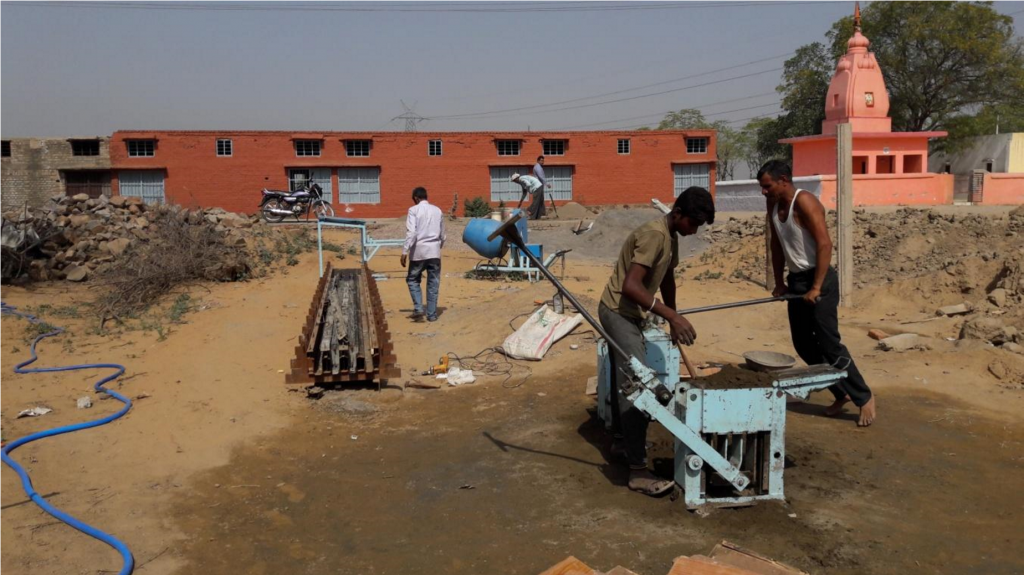
- Process Innovation: The machines for making the said compacted blocks are developed indigenously. The sanitation technology (which was separately used) is well integrated in the housing technology
The Significance
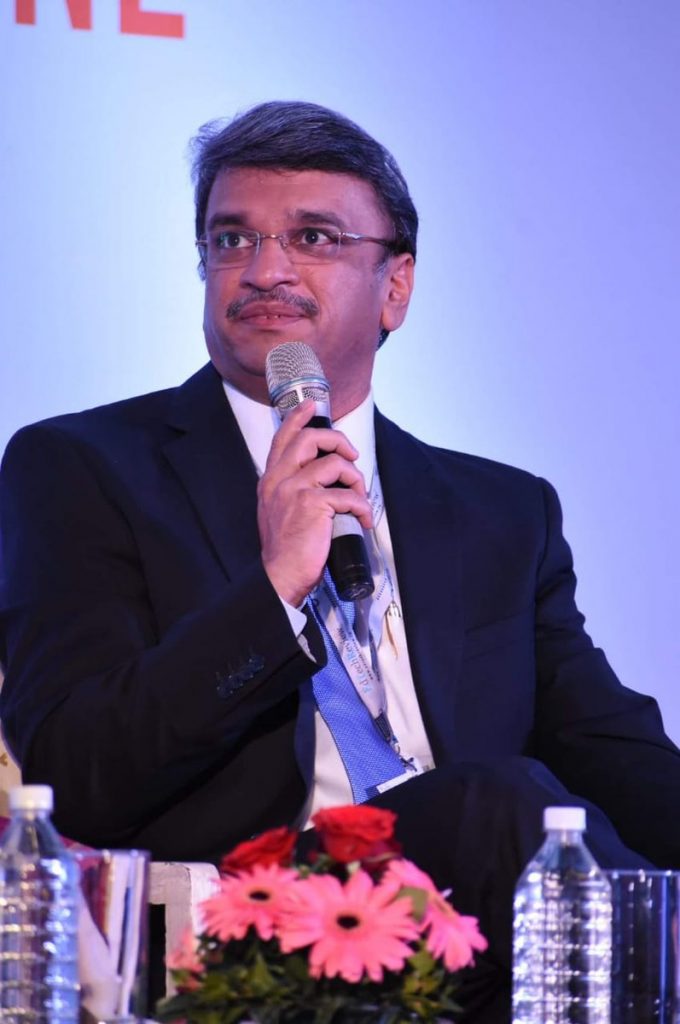
“ This is a success story of the much-talked academia and industry interaction. This innovation and IP integrated model has enabled ideas and inventions to reach out to the society. Vishwakarma University, Pune known for the innovation ecosystem has a collaboration with Prashak to further develop and deploy this technology for the larger good. As more and more industries come to the fore and participate in such models, it will be a positive step towards realizing the mission Atmanirbhar Bharat” – Professor Siddharth Jabade.
Recognition
The Ministry of Housing & Urban Affairs’ Affordable Sustainable Housing Accelerators (ASHA) award was given to Prashak Techno Enterprises Pvt Ltd. on January 1, 2021 at the hands of Prime Minister Narendra Modi.
Implementation
Former President late Pranab Mukherjee adopted this technology under the Rashtrapati Bhavan's Inclusive Innovations initiative. Technology Innovations Demonstration Center at the President's Estate was the first project completed successfully.
During the execution of the President's Estate project, a novel idea - SMARTGRAM for rural regions was formulated and conceptualized by Prashak.
Rashtrapati Bhavan accepted the SMARTGRAM initiative and adopted 100 villages in the Gurugram and Nuh districts of Haryana.
Prashak extended the usage license of SMARTGRAM to Haryana government based on which the Haryana SMARTGRAM Development Authority was established. The various activities in all 100 villages adopted are now being steered by Pranab Mukherjee Foundation in collaboration with the Haryana government.
Few public building projects were sanctioned to be constructed using the technology solutions which led to Prashak’s participation in the Grand Housing Technology Challenge - India, a MoHUA initiative.
In Jan 2021, Prashak was selected in the final cohort of 10 most potential technologies for the future and subsequently selected as a winner in the post prototype category for the Affordable Sustainable Housing Accelerators (ASHA) India Award.

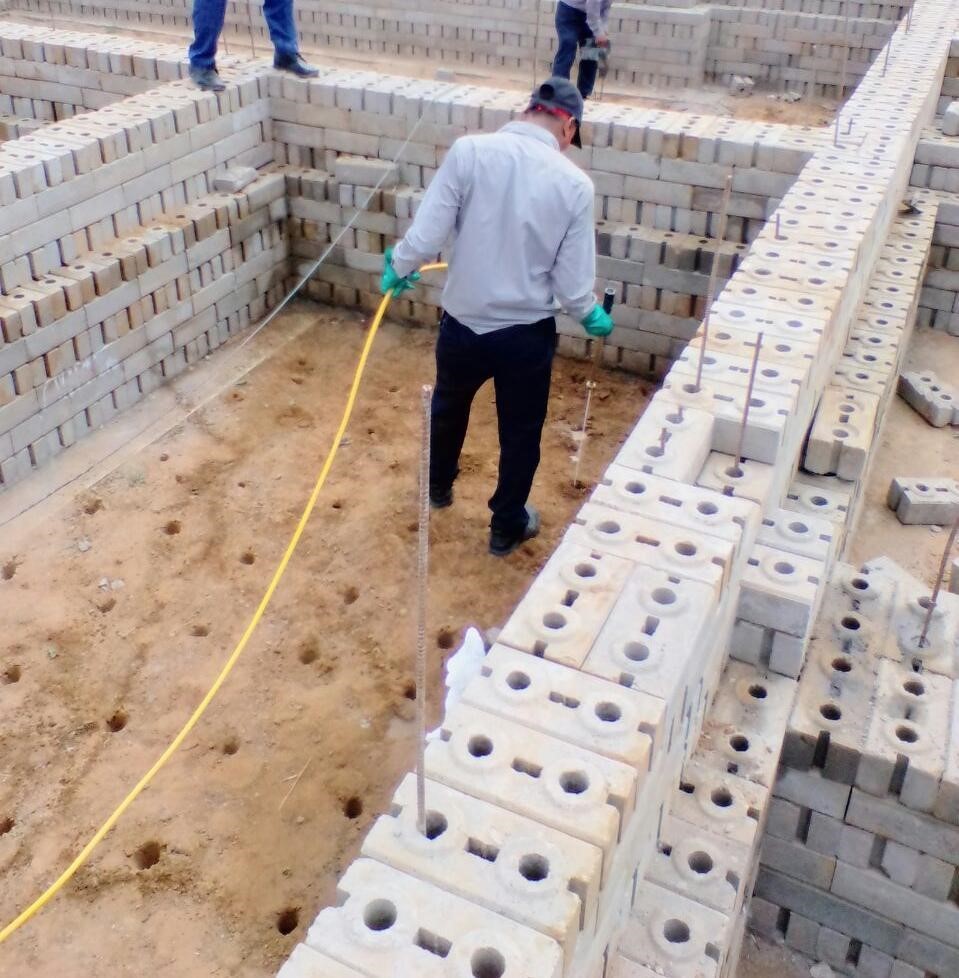
Compacted Intermeshing Blocks & Joist Manufacturing

Future Plans
To propel the innovation into the next level to enable its effective use in mass/cluster housing projects.
SMARTGRAM can be a role model for effective replication across India, particularly in rural parts.
About Professor Siddharth Jabade
Since his PhD on development of the technology for jiggery making in IIT Bombay twenty years back, Professor Jabade is passionate for the development of appropriate, affordable and accessible indigenous technologies for the marginalised, bottom billion, semi-urban and agricultural sector. Professor Milind Rane (PhD Advisor from IIT Bombay) ignited and supported Professor Jabade’s journey towards excellence.
Not surprisingly, it was in IIT that Professor Jabade attracted towards the process of innovation and patenting system (field of Intellectual Property Rights) under the guidance of by Professor Prabuddha Ganguli.
Since his IIT days Professor Jabade’s motto is - innovation to create the value for society. His focus has been to integrate the patent system and learnings from patent documents in the early stage of the invention process, to obviate the reinvention and collapse the time cycle of development.
The award-winning Habitech Nivara Tantra technology was researched and was in the development stage in AIT. This institute is an international and intergovernmental institute of higher learning, established in under South East Treaty Organisation (SEATO) in late 1950 by the cooperation of 30+ countries. Professor Jabade was appointed as the Director of Innovation and IPR.
With the central government recognizing Habitech Nivara Trantra technology, Professor Jabade’s efforts to bridge the gap between academia, industry and masses has achieved the milestone.
Picture courtesy: Tatsat Foundation.
Pics taken from https://tatsatfoundation.com/projects/soil-to-house/