Beyond the Five Ws and One H : Story of A Good Samaritan
Sheetal Akhade,TY-JMC,Vishwakarma University,Pune
What happens if a 14-year-old deaf and dumb girl is crushed to death because she could not hear the whistle of the speeding train? Within the same instant, an Ammunition Factory worker is
knocked down trying unsuccessfully to save the girl from the jaws of death, on 15 th January 1990.
The two simultaneous deaths were witnessed by scores of onlookers waiting at the Wakadewadi railway crossing in Pune’s Shivajinagar. Nothing would have normally happened except for a
two-paragraph news story in local newspapers. The two persons unknown to each other were nearly destined to remain confined to a drab police press note, not seeing the light of even a
snippet in a Pune newspaper.
Destiny had, however, planned something different for the worker’s family. The police press note was handled by a reporter of Loksatta, a Marathi daily belonging to the Indian Express group of newspapers. He spent time and energy to investigate the why and the who of the tragedy. It was not a case of a love-lorn couple as the onlookers and even the police thought initially.
It was a great sacrifice of a human being for an unknown girl whose fault was that she could not hear the train whistle. She attempted to cross a railway track like hundreds others used to do every day on any given day earlier and later.
The young reporter, Sunil Kaduskar (then 32 years old), did some legwork for a couple of days. He found out that the girl (Sujata Shankar Dhiwar) was on her way home from school. Kisan Kadam was 35 year-old Ammunition Factory worker who jumped to save her, without thinking about his own life and the fate of his family members.
For Sunil, it eventually turned out to be a story beyond the Five Ws, and One H: Who, What, where, when, why and H, the basics his journalism teacher had taught him in the media class.
Writing a news story for Loksatta that evening, he began thinking about Kisan Kadam’s sacrifice. Why did he have to do it? What would now happen to his family? His widow was a housemaid earning only a pittance every month. She now had to look after three kids and a handicapped brother. She would not afford even a ramshackle hut in a Wakadewadi slum .

Writing a news story for Loksatta that evening, he began thinking about Kisan Kadam’s sacrifice. Why did he have to do it? What would now happen to his family? His widow was a housemaid earning only a pittance every month. She now had to look after three kids and a handicapped brother. She would not afford even a ramshackle hut in a Wakadewadi slum .
Kaduskar discussed the situation with Resident Editor Anil Takalkar and Chief Editor Madhav Gadkari. He pleaded with them that Kisan’s was a supreme sacrifice on par with that of soldiers who lay down their lives on the battlefield.
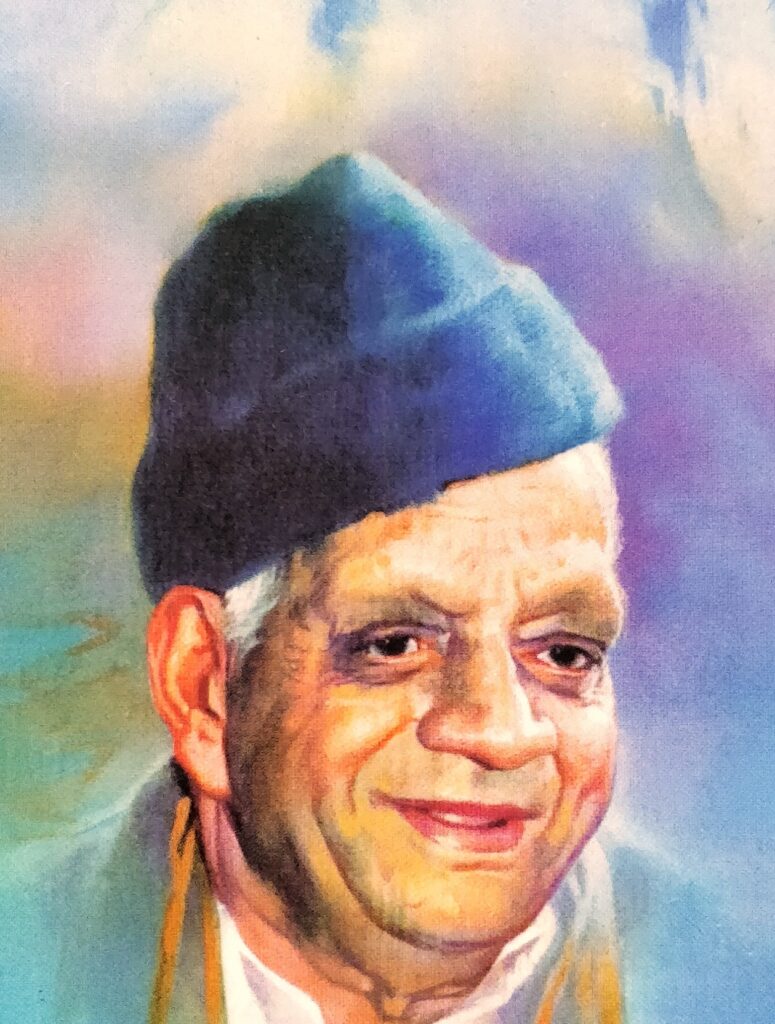
Gadkari was a sensitive editor with a track record of taking up causes of the deserving downtrodden. He wrote a touching article in his weekly column ‘Chaufer’ urging the readers to help widow Vaijayanta, her two daughter, a son, and a handicapped brother. The family lived in the eight by eight hut in the slum along the train track. It would not afford even that space that now. Gadkari did not stop at making a mere newspaper appeal. He set up a fund-raising committee under his chairmanship and Kaduskar and Takalkar as the members. Indian Express Group Chairman and Managing Director Vivek Goenka initiated the drive with a donation of Rs. 25,000.00. Readers contributed spontaneously. Soon, the committee made an announcement in Loksatta columns that it would close the drive when the fund reached Rs 89,000.00. The same day an inmate of an Old-age Home (Mrs Meera Gogate) rushed to the Loksatta office with a cheque of Rs. 11,000. She wanted the fund to reach a round figure of Rs One Lakh. She had experienced the grief of widowhood and wanted to help Vaijayanta during her critical period.
The overwhelming response from the newspaper drive and its readers prompted the factory management to give Vaijayantabai a class-four menial job on compassionate ground and provide her servants quarters. The management, took up the responsibility of education expenses of the children.
This was possible because of the support of by the committee and the Loksatta team including the then General Manager, Mr George Varghese, now Chief Executive officer, The committee evolved a plan to disburse the fund judiciously to meet the needs of the family. Kaduskar came across Good Samaritans at every stage of his involvement with the family.


The committee invested Rs one lakh in a nationalised bank-run trusteeship company. The fund in the account grew to Rs eight lakhs in the course of the time. The committee helped the family invest in booking a flat which was ready recently. Expenses for the children’s weddings were available on time. Vaijayantabais family responsibilities were thus over before she is scheduled to retire in February 2022.
Sunil Kaduskar is now a 63-year- old retired journalist. In his career, he must have covered scores of interesting and challenging journalistic assignments. Yet for him, Kisan’s was the most satisfying one that he would undoubtedly remember the rest of his life.
News feature authored by:
Sheetal Akhade
BA Third Year (Journalism & Mass Communication)
Vishwakarma University, Pune
Email: sheetalakhade20@gmail.com
--
This case study was conceptualised and edited by
Dr Kiran Thakur
Professor Emeritus
Director
VU Centre of Communication for Development
Department of Journalism and Mass Communication
Phone: + 91 20 25650225, mobile + 91 9373331733
Emails:
--
Acknowledgement
This case study could not have been possible without the help from Mr Sunil Kaduskar.
kaduskar.sunil@gmail.com
--
योद्धा पत्रकारः खडी कर दी मानवता की मिसाल
सुनील कडुस्कर की साहसिक पत्रकारिता
फातिमा इस्माईल इनामदार, बी.ए. थर्ड इयर जर्नालिज्म एंड मास कम्यूनिकेशन
विश्वकर्मा विश्वविद्यालय. पुणे
पुणे: मशहूर कवि सर्वेश्वर दयाल सक्सेना ने बरसो पहले अपनी एक कविता में लिखा था, ‘इस दुनिया में आदमी की जान से बडा कुछ भी नही हैं...’ इतने बरसों बाद इन बातों को हमने सच में बदलते देखा है, वो भी पुणे की जमीन पर. यहां के एक होनहार एवं जांबाज पत्रकार सुनील कडुस्कर, जो मराठी के सबसे मशहूर अखबार लोकसत्ता के साथ कई सालों तक बतौर जर्नलिस्ट की हैसियत से काम कर रहे थे.
उन्होंंने अपनी कलम के चलते एक ऐसी मानवता की मिसाल खडी कर दी. बहादुरी से अपने काम को अंजाम देनेवाली पत्रकारिता की न भुला पाने वाली एक मिसाल बन गई है. यकीनन उनकी साहसिक पत्रकारिता का यह एक पैगाम है. पत्रकारों को अपने सैनिकों की तरह ही एक योदधा माना जाना चाहिए. लोकसत्ता ने इस अनुभव की खबर देकर एक वस्तु पाठ तैयार किया कि कैसे पत्रकारिता के माध्यम से मानविय रचनात्मक एवं सृजनात्मक कार्य किया जा सकता है.
गौरतलब है कि १५ जनवरी १९९० में पुणे के शिवाजीनगरस्थित रेलवे क्रॉसिंग पर ट्रेन दुर्घटना में एक १४ वर्षीय गुंगी-बहरी लडकी (सुजाता शंकर धीवर) और उसे बचाने के लिए अपनी जान जोखिम में डालनेवाले ३५ वर्षीय (किसन तुकाराम कदम ) इन दोनों की मौत हो गई. शाम के समय घटी घटना के समय रेलवे क्रासिंग के पास काफी भीड होने के बावजूद किसी भी व्यक्ति ने यह हिम्मत नही दिखाई की, रेल पटरी पार करनेवाली सुजाता को बचाया जाए. उसी समय अपनी जान जोखिम में डालते हुए किसन कदम ने उसे बचाने की कोशिश की, लेकिन इस घटना में दोनों को अपनी जान गंवानी पडी.
इस खबर को प्रकाशित करनेवाले लोकसत्ता के संवाददाता सुनील कडुस्कर विभीन्न सवालों से घिरे हुए थे. जैसे कि यह दोनों कौन होंगे? उनका आपस में क्या संबंध होगा? दुर्घटना की यह खबर देने के बाद उनके परिवार का क्या होगा ? आदि. पत्रकारिता के पेशे में कार्य करते समय दयालु होना और मानविय मूल्यों का ख्याल रखना चाहिए. इसी बात को ध्यान में रखते हुए कडुस्कर की संवेदनशीलता और लोगों के सुख दुख का विश्वास जाग उठा. खोजबीन के दौरान पता चला कि मृतक किसन कदम एक गोला बारूद फैक्टी का कर्मी था. वाकडेवाडी के झुग्गी बस्ती में आठ बटा आठ के एक छोटे से कमरे में पत्नी, दो बेटियां, एक बेटा और एक अपाहिज भाई रहता है. वहीं दूसरे के घर बर्तन मांझकर मृतक की पत्नी वैजयंता अपने परिवार में हाथ बटां रही थी.
कर्ता पुरूष चले जाने से तबाह हुए पूरे परिवार की स्थिति को जानते हुए कडुस्कर ने निवासी संपादक अनिल टाकलकर से आग्रह किया कि इस परिवार को फिर शारीरिक एवं मानसिक रूप से खडा करेंगे. उसके बाद दोनों ने प्रधान संपादक माधव गडकरी से संपर्क साधा. दयालु, संवेदनशील और मानवीय संपादक गडकरी ने किसन की बहादुरी को महसूस किया. उन्होंने सोचा कि करीबी रिश्तेदार न होने के बावजूद मानवता की भावना से एक अजनबी की जान बचाने की कोशिश करना, समाज को प्रेरित करने और इस तरह के बलिदान करनेवाले व्यक्ति के परिवार को सक्रिय रुप से समर्थन करना चाहिए. यह उन लोगों के लिए आश्वस्त करनेवाला होगा जो ऐसा करने का साहस करते है. उन्हें विश्वास था कि यह शहादत एक सैनिक के बलिदान के समान महत्वपूर्ण है. इस बात को उन्होंने अपने कॉलम “चौफेर” के माध्यम से प्रभावी ढंग से रखते हुए किसन कदम को मदत निधि योजना की घोषणा की. साथ ही इंडियन एक्सप्रेस ग्रुप के विवेक गोयनका को इस विचार से अवगत कराया. पश्चात समूह की ओर से २५ हजार रुपये के अनुदान की घोषणा की.

इस कॉलम को जबरदस्त प्रतिक्रिया मिलने पर बारह दिनों के भीतर ८८ हजार रुपये से अधिक का फंड जमा हुआ. हालांकि वर्तमान में यह रकम छोटी है लेकिन ३० साल पहले ज्यादा थी. निधि संकलन पर रोक लगाने की घोषणा के बाद उसी दिन एक वरिष्ठ महिला लोकसत्ता कार्यालय में ११ हजार रुपये का चेक लेकर आई और नाम बताए बिना घर लौट गई. अब यह सवाल उठा कि इतना बडा दान देनेवाली महिला कौन है. उनकी तलाश शुरू होने पर पता चला कि पति के मृत्यु के बाद वह महिला श्रीमती मीरा गोगटे पुणे के एक वृद्धाश्रम में ठहरी है. पश्चात कडुस्कर अपनी पत्नी नीलम के साथ उनसे मिलने गए. मैने इतनी बडी रकम देने के पीछे का कारण जानने की कोशिश करने पर उन्होंने कहा,
मैंने अनुभव किया है कि विधवापन कितना दर्दनाक और कठिन होता है. इसलिए फैसला लिया कि मुझे वास्तव में यह करने की जरूरत है. साथ ही एक लाख रुपय के लिए ११ से १२ हजार रुपए कम थे इसलिए मैंने यह चेक सौपा.
इस परिवार का जिम्मा उठाने पर लोकसत्ता ने गोला बारुद फैक्ट्री के महाप्रबंधक एस.ए. नटराजन से संपर्क साधकर कदम की पत्नी वैजयंता को अनुकंपा के आधार पर नौकरी देने का अनुरोध किया गया. नटराजन ने कदम की मृत्यु के तीन हफ्ते बाद ही वैजयंता को आया के रुप में नियुक्त किया. एम्युनिशन फैक्ट्री में बच्चें की पढाई का खर्चा भी उठाया. नतीजतन परिवार का आर्थिक बोझ बहुत कम हो गया था. कुछ ही दिनों में उसे क्वार्टर में रहने की व्यवस्था की गई.
जमा राशि को परिवार की जरूरतो को पूरा करने के लिए बैंक ऑफ महाराष्ट्र की ट्रस्टी कंपनी में स्थानांतरित कर इसका ट्रस्ट फंड बनाया गया. इस प्रक्रिया में गडकरी, टाकलकर और कडुस्कर ट्रस्टी थे. जब बच्चे बडे हो जाएंगे, तो उनमें से प्रत्येक को २५ प्रतिशत धन मिलेगा और इसका इस्तेमाल उच्च शिक्षा के लिए हो. कुछ साल बाद एक लाख की राशि ८ से ९ लाख रूपए हुई. इसमें से २५ प्रतिशत राशि का उपयोग सबसे बडी बेटी (सुषमा) की शादी के लिए, दूसरी लडकी (रेशमा) की नर्सिंग शिक्षा के लिए २५ प्रतिशत और तीसरा बच्चा (दीपक) दसवीं तक पढा था बाद में उसकी शादी के लिए २५ फीसदी का भुगतान किया गया.
३२ साल तक फैक्ट्री में काम करनेवाली वैजयंता फरवरी में सेवानिवृत्त होगी. इसलिए वह अपने परिवार के साथ दिघी के घर में चली गई है. कडुस्कर ने घर के अधिग्रहण के लिए बिल्डर से बातचीत की. कम लागत पर अतिरिक्त रियायतें प्राप्त करने के लिए शेष राशि का इस्तेमाल करने के लिए कहा गया.

पत्रकारिता में एक मानवीय संवेदनशील पत्रकार होना. पत्रकारिता के प्रतीकात्मक ढांचे से परे जाते हुए एक परिवार के लिए सशक्त सहारा बनाना असामान्य बात नहीं है. कदम के बलिदान और बहादुरी को पैसाेंं से मापा नहीं जा सकता है. हालांकि, यह निश्चित रुप से काबिले तारीफ है कि उन्होंने अपने बाद परिवार को आर्थिक और मनोवैज्ञानिक सहयोग देकर एक बडे संकट से निकलने में मदद की. इस घटना ने एक सुखद प्रतिक्रिया भी दी है कि कैसे समाज मानवता के लिए अच्छे काम करने वाले परिवार के पीछे मजबूती से खडा रहता है.
पत्रकारिता का असली गौरव
उस समय सुनील कडुस्कर ३२ साल के थे. उनका १९९२ में इंडस्ट्रियल कम्युनिकेटर्स द्वारा संवाददाता विशेष सम्मान किया गया था. यही उनकी पत्रकारिता का असली गौरव है. इस पुरस्कार ने उन्हें पत्रकारिता में उनके काम का पक्ष लिया है. ६३ वर्षीय कडुस्कर पत्रकारिता में विभिन्न जिम्मेदारियों से सेवानिवृत्त हुए है. कई समाचार और अपनी कलम से समाज को न्याय दिलाने का प्रयास करनेवाले कडुस्कर को आज भी किसन कदम के दुर्घटना की असाइनमेंट का विवरण याद है.
लेखक छात्रा:: फातिमा इस्माईल इनामदार.
बीए. थर्ड इयर जर्नालिज्म एंड मास कम्यूनिकेशन
विश्वकर्मा विश्वविद्यालय. पुणे 411048
Email- fatimainamdar05@gmail.com
इस फीचर के लिए अतिथि संपादक:
श्री संजय बी कैकाड़े
मीडिया रिलेशन ऑफिसर, जनसंपर्क विभाग,
एम् आई टी वल्डपीस यूनिवर्सिटी
कोथरुड पुणे ४११०२९
--
This case study was conceptualised by
Dr Kiran Thakur
Professor Emeritus
Director
VU Centre of Communication for Development
Department of Journalism and Mass Communication
Phone: + 91 20 25650225, mobile + 91 9373331733
Emails:
--
Acknowledgement:
This case study could not have been possible without the help from Mr Sunil Kaduskar.
kaduskar.sunil@gmail.com
पत्रकारितेच्या साचेबंद चौकटीच्या पलीकडे...
प्रतीक्षा जाधव
युद्धभूमीवर हौतात्म्य प्राप्त झालेल्या सैनिकाच्या असीम त्यागाबद्दल जनमानसात आदराची भावना असणे स्वाभाविक आहे. परंतु केवळ युद्धभूमीवरच नव्हे तर आयुष्याच्या रोजच्या जगण्याच्या लढाईत काही असामान्य माणसे जिवाची बाजी लावून अनोळख्या व्यक्तींसाठी देखील हौतात्म्य पत्करतात. अशांचे बलिदान हे युद्धभूमीवरील सैनिकांच्या बलिदानाइतकेच मौलीक असते. माणुसकीच्या नात्यावरील विश्वास त्यामुळे अधिक दृढ होतो. या अनुभवाची प्रचिती देणारी बातमी लोकसत्ताने देऊन पत्रकारितेतून रचनात्मक कार्य कसे उभे करता येते याचा वस्तुपाठ निर्माण केला.
दैनिकामध्ये अपघाताच्या बातम्या येणे हा एक अविभाज्य भाग आहे. तशीच जानेवारी १९९० मधील ही घटना होती. पुण्यातील शिवाजीनगर जवळील वाकडेवाडी रेल्वे क्रॉसिंगवर घडलेल्या या रेल्वे अपघातात रेल्वे रुळ ओलांडणारी १४ वर्षे वयाची कर्ण बधीर मुलगी आणि तिला वाचविण्यासाठी झेपावणारा किसन तुकाराम कदम हा तरुण हे दोघेही मृत्युमुखी पडले. संध्याकाळी झालेल्या या घटनेच्या वेळी रेल्वे क्रॉसिंगवर भरपूर गर्दी होती. गाडी वेगाने येत असतानाही ही मुलगी रूळ ओलांडत होती. इंजिन ड्रायव्हरने इंजिनची शिट्टी वाजवून तिचे लक्ष वेधण्याचा प्रयत्न केला. पण कानाने ऐकू येत नसल्याने तिच्या ते लक्षातच आले नाही. ही मुलगी गाडीखाली सापडणार याची कल्पना गर्दीतील अनेकांना आली पण धावत जाऊन तिला वाचविण्याचे साहस अन्य कोणालाच करावेसे वाटले नाही. किसन कदम यांनी मात्र अखेरच्या क्षणी आपल्या जिवाची पर्वा न करता या मुलीला वाचविण्यासाठी धाव घेतली. पण त्यात दोघांनाही प्राण गमवावे लागले.
ही बातमी देणारे लोकसत्ताचे वार्ताहर सुनील कडूसकर यांचे वैशिष्ट्य असे की, अपघाताची ही बातमी दिल्यानंतर हे दोघे कोण असतील, परस्परांत त्यांच्यात काय नाते असेल, त्यांच्या परिवाराचे आता काय होईल, अशा विविध प्रश्नांनी त्यांना अस्वस्थ केले. पत्रकारितेचे धडे गिरविताना त्यासाठी आवश्यक असलेल्या अनेक गुणांचा उल्लेख होतो. त्यामध्ये ती व्यक्ती सहृदय, माणुसकीचे मूल्य (गुड ह्युमन बिईंग) जपणारी अशा गुणांची असावी अशी अपेक्षा त्यात व्यक्त होते. कडूसकर यांच्या या बातमीमधून त्यांची संवेदनशीलता आणि माणसांच्या सुखदुःखाविषयी त्यांना वाटणारी आस्था यांची प्रचिती आली.
त्यांनी या बाबत दिलेल्या माहितीनुसार नंतर ते पुन्हा घटना स्थळी गेले. त्यावेळी त्यांना मृत व्यक्तीचे नाव किसन कदम असून ते अॅम्युनिशन फॅक्टरीचे कामगार असल्याचे कळले. किसन कदम यांचे कुटुंब वाकडेवाडी येथील झोपडपट्टीत रहात होते. पत्नी दोन मुली, एक मुलगा व दिव्यांग असा भाऊ असे सर्वजण आठ बाय आठच्या छोट्या खोलीत रहात असल्याचे निदर्शनास आले. कदम यांची पत्नी वैजयंता दुसऱ्याच्या घरी धुणी- भांडी करून आपल्या संसाराला हातभार लावत होत्या.
या कुटुंबातील कर्ता पुरुषच गमावल्याने साऱ्या कुटुंबावर आभाळ कोसळले होते. ही परिस्थिती जाणून घेतल्यावर या कुटुंबाला सावरण्यासाठी आपण काहीतरी केले पाहिजे, अशी आग्रही भूमिका त्यांनी आपले वरिष्ठ, लोकसत्ताचे निवासी संपादक अनिल टाकळकर यांच्यापुढे मांडली.
त्यानंतर त्या दोघांनीही लोकसत्ताचे प्रमुख संपादक माधव गडकरी यांच्याशी संपर्क साधला. गडकरी हे सहृदय, संवेदनशील व माणुसकीचे मूल्य जपणारे संपादक होते. त्यांच्या चौफेर या लोकप्रिय स्तंभामधूल याचे प्रतिबिंब उमटलेले असायचे. किसन कदम यांचे शौर्य त्यांना भावले. आपली जवळची नातेवाईक नसतानाही देखील केवळ माणुसकीच्या भावनेने अनोळखी व्यक्तीला वाचविण्याचा प्रयत्न करणे, हे उदाहरण समाजात प्रेरणादायी ठरेल असे त्यांना वाटले. आणि असे बलिदान करणाऱ्या व्यक्तीच्या कुटुंबाच्या मागे समाजाने सक्रीय पाठबळ दिले तर त्यामुळे अशा तऱ्हेचे धाडस करणाऱ्यांना ते आश्वस्त करणारे वाटेल. हे हौतात्म्य सैनिकाच्या बलिदानाइतकेच महत्त्वाचे आहे, असे त्यांचे प्रांजळ मत होते आणि चौफेर या आपल्या स्तभांतून त्यांनी ते प्रभावीपणे मांडले.
याच स्तंभातून त्यांनी किसन कदम मदत निधी या योजनेची घोषणाही केली. इंडियन एक्स्प्रेस समुहाचे सर्वेसर्वा विवेक गोएंका यांना ही कल्पना सांगून या समुहाच्या वतीने २५ हजाराची मदत त्यांनी जाहीर केली. समुहाचे आताचे मुख्य कार्यकारी अधिकारी जॉर्ज वर्गीस यांनी या मोहिमेची प्रशासकीय जबाबदारी तितक्याच आत्मीयतेने उचलली.
या आवाहनाला मोठ्या प्रमाणावर उत्स्फूर्त प्रतिसाद मिळाला. दहा बारा दिवसांतच या निधीने ८५ ते ८८ हजाराचा टप्पा ओलांडला. आजच्या काळात चलनवाढीमुळे ही रक्कम अल्प वाटत असली तरी ३० वर्षापूर्वी तिचे मूल्य मोठे होते. निधी संकलन एक दोन दिवसांत बंद करणार असल्याचे जाहीर केल्यावर त्याच दिवशी सकाळी एक ज्येष्ठ महिला नागरिक ११ हजाराचा धनादेश घेऊन लोकसत्ताच्या कार्यालयात दाखल झाली. आपला धनादेश सफाई कर्मचाऱ्याच्या हाती देऊन आपले नाव न सांगताच ती घरी परत गेली. एवढी मोठी देणगी देणारी ही महिला कोण, हा प्रश्न पडल्यावर तिचा शोध घेण्यास सुरुवात केली. पतीच्या निधनानंतर ही महिला पुण्यातीलच एका वृद्धाश्रमात रहात होती. त्यांना भेटायला कडूसकर व त्यांच्या पत्नी तेथे पोहोचल्या. एवढा मोठा निधी देण्यामागील कारण त्यांच्याकडून जाणून घेण्याचा प्रयत्न केला. त्यावेळी त्या म्हणाल्या, वैधव्य किती यातनादायी व कठीण असते, हे मी स्वतः अनुभवले आहे. त्यामुळे मी ही मदत करावी, असे मला वाटले. शिवाय एक लाख रुपयांना ११ - १२ हजार रुपये कमी पडतात, म्हणून मी या रकेमेचा धनादेश दिला. कारण हा निधी किमान एक लाखावर व्हावा, अशी माझी इच्छा आहे.
लोकसत्ताने या कुटुंबाचे जणू पालकत्त्वच घेतले होते. म्हणूनच अॅम्युनिशन फॅक्टरीचे सरव्यवस्थापक एस. एस. नटराजन यांच्याशी संपर्क साधून अनुकंपा तत्वावर कदम यांच्या पत्नी वैजयंता यांना नोकरी द्यावी, अशी विनंती लोकसत्तातर्फे करण्यात आली. नटराजन यांनी या प्रकरणी जातीने लक्ष घालून कदम यांच्या मृत्यूनंतर अवघ्या तीन आठवड्यात वैजयंता यांना आया म्हणून नोकरीवर घेतले. त्याचबरोबर मुलांच्या शैक्षणिक खर्चाची जबाबदारीही अॅम्युनिशन फॅक्टरीने उचलली. त्यामुळे कुटुंबाचा आर्थिक भार मोठ्या प्रमाणावर हलका झाला. काही दिवसातच फॅक्टरीच्या क्वॉर्टरमध्ये वैजयंता कदम यांची राहण्याची व्यवस्था झाली.
नंतर निधी संकलनाद्वारे जमा झालेली रक्कम कुटुंबाच्या गरजा भागविण्यासाठी महाराष्ट्र बँकेच्या ट्रस्टी कंपनीकडे जमा करण्यात आली आणि तिचा विश्वस्त निधी तयार करण्यात आला. या प्रक्रीयेत गडकरी, टाकळकर आणि कडूसकर हे विश्वस्त सल्लागार होते. मुले मोठी झाली की, प्रत्येकाच्या वाट्याला २५ टक्के निधी येईल व तो त्याच्या शिक्षणासाठी वापरला जाईल, असे नियोजन कडूसकर यांनी केले. काही वर्षानंतर एक लाख रुपयांच्या रकमेचे ८ ते ९ लाख रुपये झाले. मुलीच्या विवाहासाठी निधीची २५ टक्के रक्कम वापरण्यात आली. दुसऱ्या मुलीने घेतलेल्या नर्सिंग शिक्षणासाठी याच निधीतून मदत मिळाली. तिसऱ्या मुलाने दहावी पर्यंतचे शिक्षण घेतले. नंतर त्याच्या लग्नालाही २५ टक्के रक्कम देण्यात आली.
दरम्यान वैजयंता यांनी तब्बल ३२ वर्षे अॅम्युनिशन फॅक्टरीत नोकरी केली. पुढील वर्षी फेब्रुवारीत त्या निवृत्त होणार आहेत. त्यामुळे त्या दिघी येथे घेतलेल्या नव्या घरात रहायला गेलेल्या आहेत. हे घर घेतानाही निधीतील उर्वरित रकमेचा वापर करण्यात आला. कमी किमतीत वाढीव सवलती मिळाव्यात म्हणून बिल्डरशीही वाटाघाटी करण्याचे काम कडूसकर यांनी केले.
माणुसकीप्रती संवेदनशील असलेला वार्ताहर पत्रकारितेच्या सांकेतिक चौकटीच्या बाहेर जाऊन एखाद्या कुटुंबासाठी किती मोठा आधार ठरू शकतो, असे उदाहरण पत्रकारितेत क्वचितच पहायला मिळते. कदम यांनी केलेल्या त्यागाचे व शौर्याचे मोजमाप पैशामध्ये करता येणार नाही. तरीही त्यांच्या पश्चात त्या कुटुंबाला आर्थिक व मानसिक आधार देऊन एका मोठ्या संकटातून बाहेर काढले. त्यावेळी त्यांचे वय केवळ ३२ होते. आता ते त्रेसष्ट वर्षाचे आहेत. या प्रदीर्घ कालखंडात त्यांनी असंख्य चांगल्या बातम्या लिहिल्या, पण अजूनही त्यान किसन कदम ची कहाणी ठळकपणे आठविते. याचं कारण माणुसकीसाठी चांगल काम करणाऱ्या कुटुंबाच्या मागे समाज खंबीरपणे कसा उभा राहतो, याचेही सुखद प्रत्यंतर या घटनेने आणून दिले. या कामगिरीबद्दल कडूसकर यांना इंडस्ट्रियल कम्युनिकेटर्सने १९९२ मध्ये पुरस्कार दिला. हा त्यांच्या पत्रकारितेचा सार्थ गौरव म्हणायला हवा. पत्रकारितेत राहून निरपेक्ष भावनेने केलेल्या त्यांच्या या कामावर पसंतीची मोहोरच या पुरस्काराने उमटविली आहे.
--
प्रतीक्षा जाधव
BA (Journalism & Mass Communication)
Vishwakarma University, Pune
Email: pratiksha283200@gmail.com
--
This case study was conceptualised and edited by
Dr Kiran Thakur
Professor Emeritus
Director
VU Centre of Communication for Development
Department of Journalism and Mass Communication
Phone: + 91 20 25650225, mobile + 91 9373331733
Emails:
--
Acknowledgement:
This case study could not have been possible without the help from Mr Sunil Kaduskar.
kaduskar.sunil@gmail.com

Bringing Garbage Cleaners and Ragpickers into the mainstream with an App
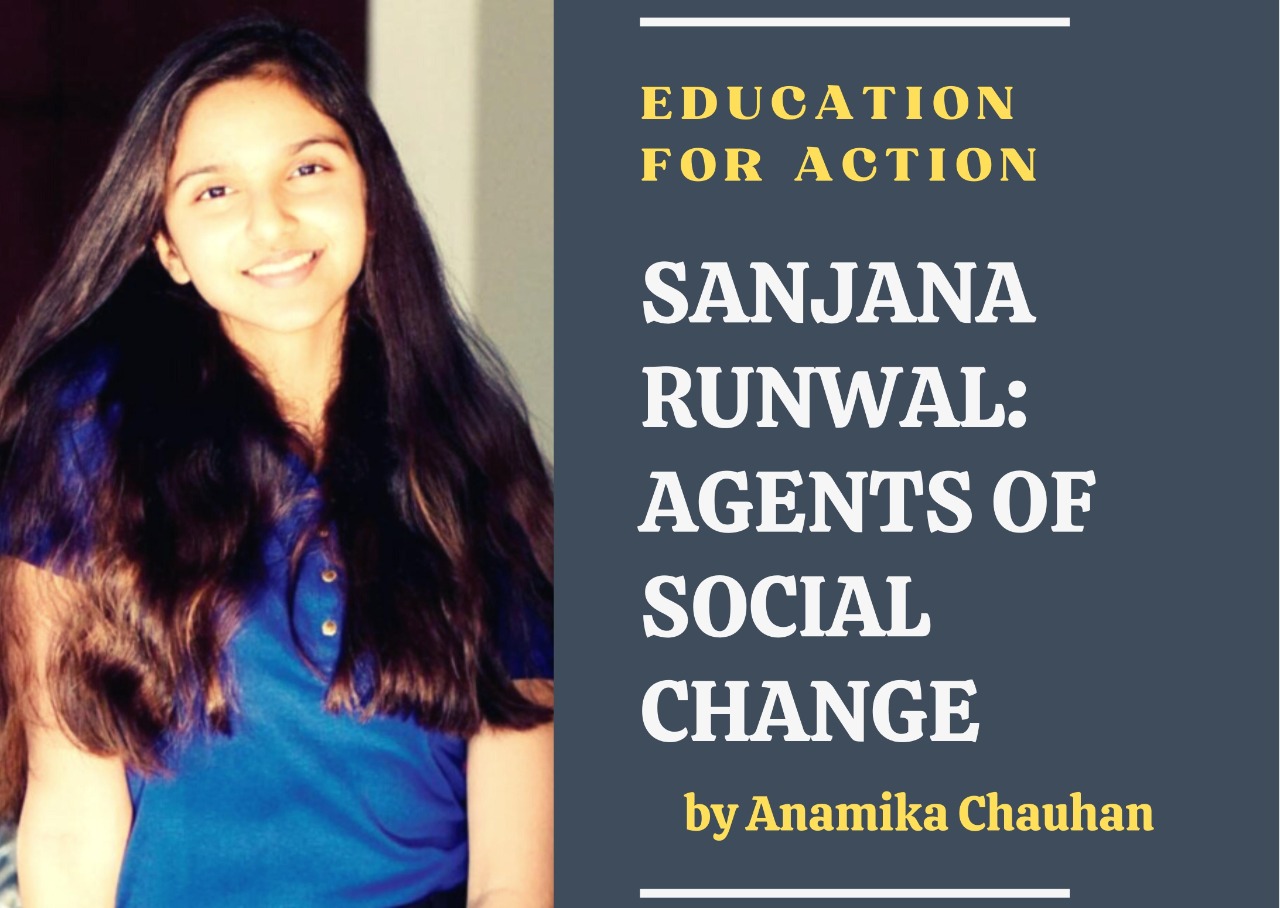
It all started with a moment of self-realization for Sanjana Runwal, who at the tender age of 17 decided to help improve the condition of rag-pickers and city’s garbage cleaners. On top of her mind was improving their safety, given the kind of hazardous conditions they worked in. Speaking to the students from the Department of Journalism & Mass Communication in a live interaction as a part of 'Education for Action' on Wednesday 10 November, Sanjana narrated her inspiring journey and the motivation that has seen her start an NGO.
Ms. Sanjana started contributing to the society at a very young age. She was 12 when she had gone out with her elder brother Siddharth Runwal for jogging and noticed garbage workers and rag pickers picking garbage without any safety equipment.
Later, after returning home she asked her father as to why these people did not use any safety equipment. To which, her father asked her to write mail to the Indian government. Not one to give up, Sanjana wrote several mails to the GOI but got agitated when her queries met with no response.
Drawing from her interest in economics Sanjana started looking for data on the internet based on such issues but was astonished to see no information available.
Restless by now, Sanjana along with her elder brother visited a nearby BMC ward office and met the ward members there. Looking at their age the BMC personnel did not entertain them much.
However, noticing their persistent efforts to get answers, Mr. Chandrakant Tambe heard them out and that’s when their journey began. While Siddharth moved overseas for higher education, Sanjana continued with creating contacts to deal with this issue.
All through this, Sanjana wrote 3 research papers under the guidance of Mr. Tambe and benefitting from her keen interest in economics. Equipped with this irrefutable knowledge base, she approached the government officials regarding this issue. Her papers focused on housing, safety and lack of finance issues.
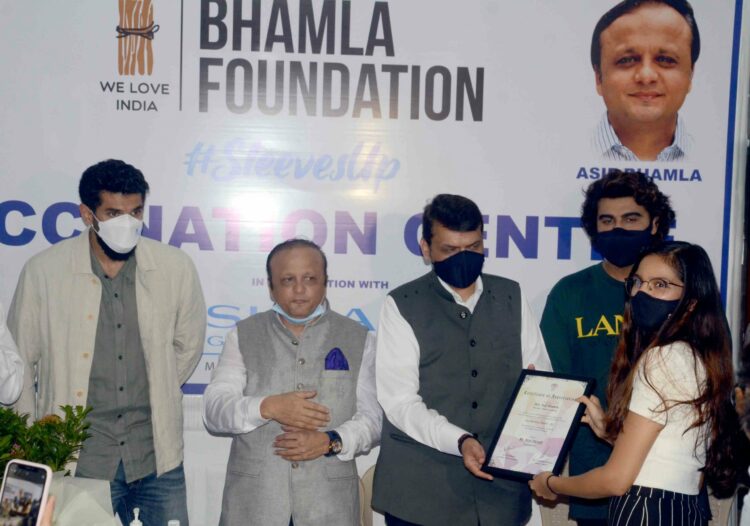
Her papers stated the aim to improve the living conditions of the garbage cleaners and rag pickers and making available safety equipment and housing for them as it is a problem that needs urgent attention. The objective behind the research was to provide hygiene and safety, as well as recommend affordable housing that shall address their problem of housing ownership. With the support from the Government, she was sure that there will be a solution in near future.
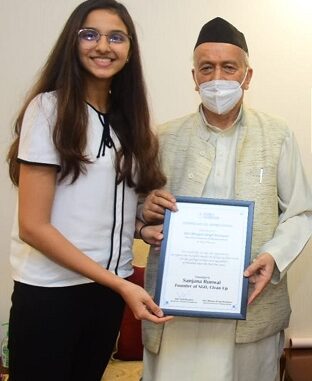
Eventually her efforts bore fruits. The Maharashtra government has awarded a Letter of Appreciation to Sanjana Runwal for her research paper on 'Affordable Housing Solutions for Garbage Workers’.
By now, Sanjana had also volunteered with NGOs such as ASRA and BHAMLA and gained more in-depth perspectives about the working conditions of ragpickers. Additionally, she also received encouragement from her Reliance school. This eventually led to her starting her own NGO Clean-Up.
During this process Sanjana realized that these marginalized workers were not aware about finances available to them at low interest rates. So, to address this gap, along with her team, she designed and created a mobile application, now available in Marathi and Hindi, to help garbage workers find houses. She said, Mr. Tambe’s guidance was pivotal when it came to the "eureka moment" of creating an app. The mission statement behind the app is " To improve the quality of life for the garbage cleaners and rag pickers of Mumbai, thereby making the city a better place to live for all. "
That set the stage for the next big action. With these initiatives they were successful in installing water purifications, housing and safety equipment for the garbage workers.
During the standstill due to COVID-19 she was also considerate about the feelings and mental health of garbage workers and rag pickers as they survived on daily wages.
As a result of which, she conducted mental health camps in tie up with local NGO's to make their vulnerable life manageable.
Speaking of her challenges, Sanjana said, "Getting the government officers to cooperate with her initially was difficult because they thought she was just another kid from a well-to-do family.” "However," she added, “It was my persistence and perseverance that helped me understand that theoretical solutions always don't really work out. For my first mental health camp only 10 people showed up because of which I was disappointed. Language barrier was also an issue."
Nonetheless, till date they have raised around 13 lakh rupees and helped over 12,000 workers which in itself is a big achievement.
When asked about her parents’ reaction when she initially began this work, she admitted, "My parents were scared. My brother was there with me quite a few times but then he went to America, so I used to go alone to the BMC office because I was passionate. My parents had given me pepper spray and stuff. But by then I’d made good contacts.”
Talking about her inspiration, she says, "My grandfather came from a small village Dhulia with 100 rupees to Mumbai. He made it really big and because of him I know I have to give it back to society. Listening to the stories inspired me, so I just knew I have to do my bit for the society in some way, a real way and that was it."
What keeps her motivated today is the impact of what has happened. She sees a change in the society. Rag pickers use gloves and gumboots, a change has been brought into their lives.
Also, she inculcated in them leadership and communication skills too. The biggest motivation for her came when people voluntarily came to help her. "Giving money is important but giving time is what motivated me" she said.
At the end of the session, she was asked "how can an advertisement campaign help you?" to which she replied enthusiastically "It will help me immensely. It is one of the biggest forms of creating awareness. Clean-Up banners and Clean-Up t-shirts were our ways, but now advertisements on social media platforms are a sure-fire way to spread the word. It will help in generating more funds."
This conversation has truly inspired the author to pen this elaborate account with as much enthusiasm to match. Bringing the efforts of working for marginalized community inadvertently prompts me to draw comparison with student activists of international acclaim.
By Anamika Chauhan
BA-JMC TY
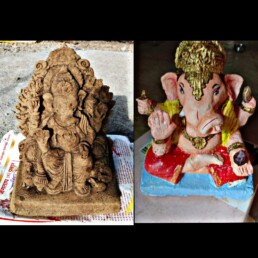
Ganesh chaturthi 2021: Kiran's 100% natural Ganesh idol Initiatives to improve the environment
Priya Prakash
Purandar (Pune district),25:
Kiran Jagtap from Rajewadi village of Purandar would have been just another Ganesha idol maker but his unique initiative sets him apart. He makes the idols from cow dung and when these idols are put in a tub filled with water at the time of immersion, it dissolves in water and this mixture can be used for planting saplings.
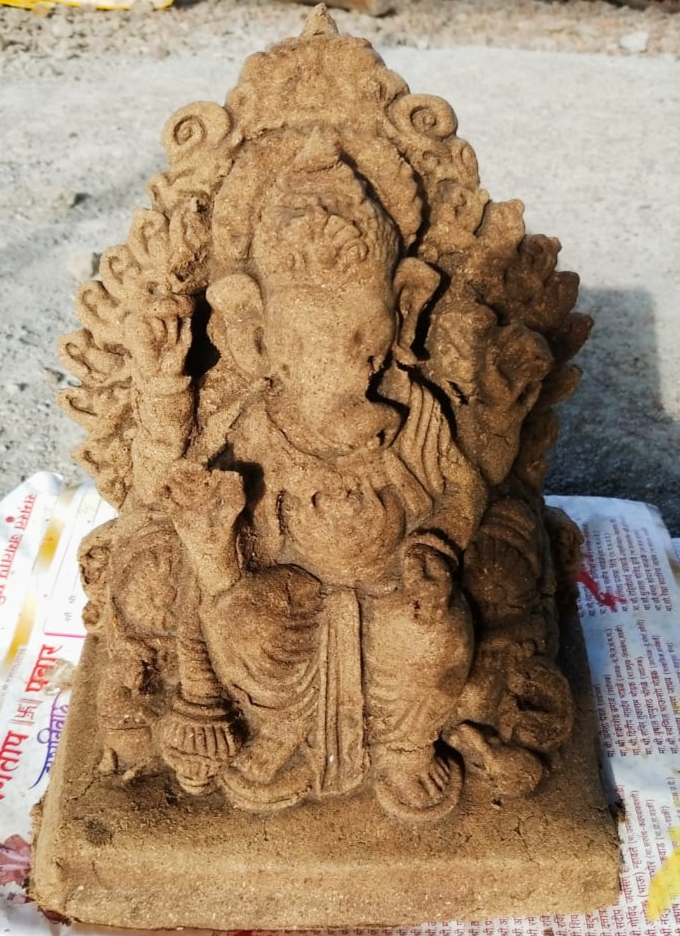
Kiran uses cow dung powder and soil to make idols, tamarind powder to give shape and structure to the idols and coconut oil for final finishing.
Kiran said, " Each idol is 22.86 cm long and weighs about 700 grams, and it takes two hours to shape and sculpt an idol, in which my colleague Yogesh Magar and Rishikesh help me and at last Harshada paints them ."
Kiran added, "This is our first attempt, so our goal this year is to only produce 100 idols, of which 10 have already been produced. These eco-friendly idols are provided with the service of home delivery by post/courier and are priced at only Rs.500 to Rs.600. "
Keeping corona in mind, Kiran and his group have taken all the orders through mobile and all security precautions will also be taken in their delivery.
Kiran (25) has a postgraduate degree in political science and has been trained to make cow dung products from Swanand Govigyan Nagpur. He took this initiative in order to improve the environment, and has planned to use seeds in some idols so that the plants can germinate after the idols are soaked in water.
When asked about his inspiration Kiran said he loved the environment from the beginning and wanted to make people aware of using indigenous , natural products to reduce environmental pollution.
In western India, preparations started a month ago. Pune is one of the cities famous for its huge Lord Ganesh idol and Ganesh chaturthi's grand celebrations around the world.
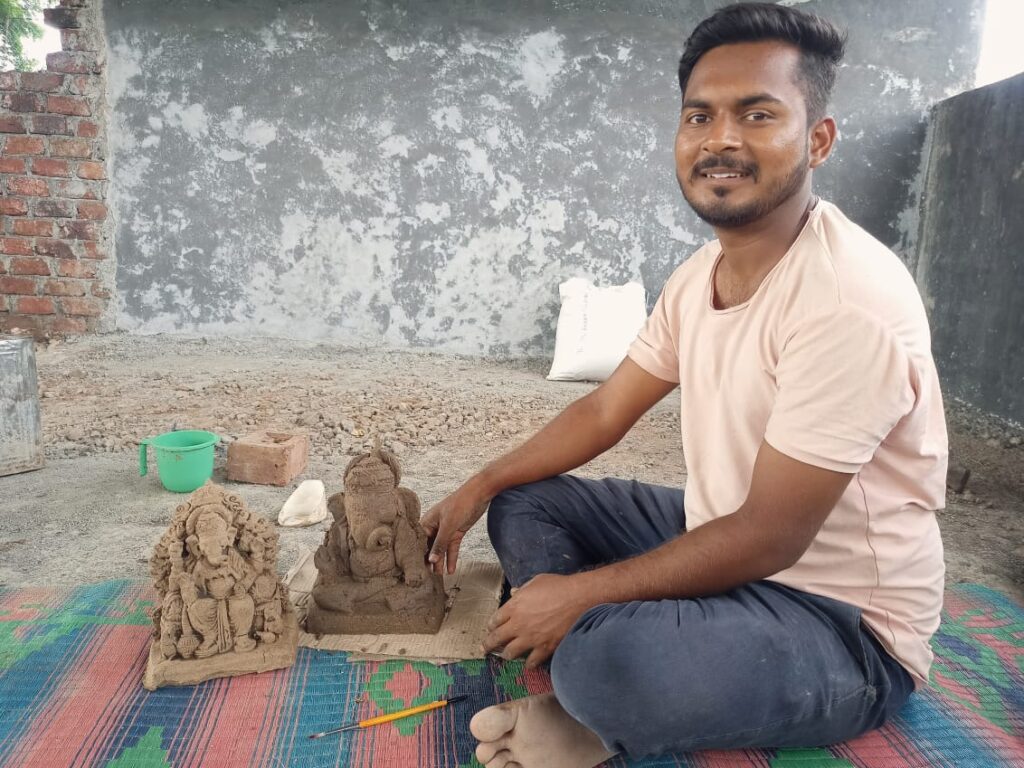
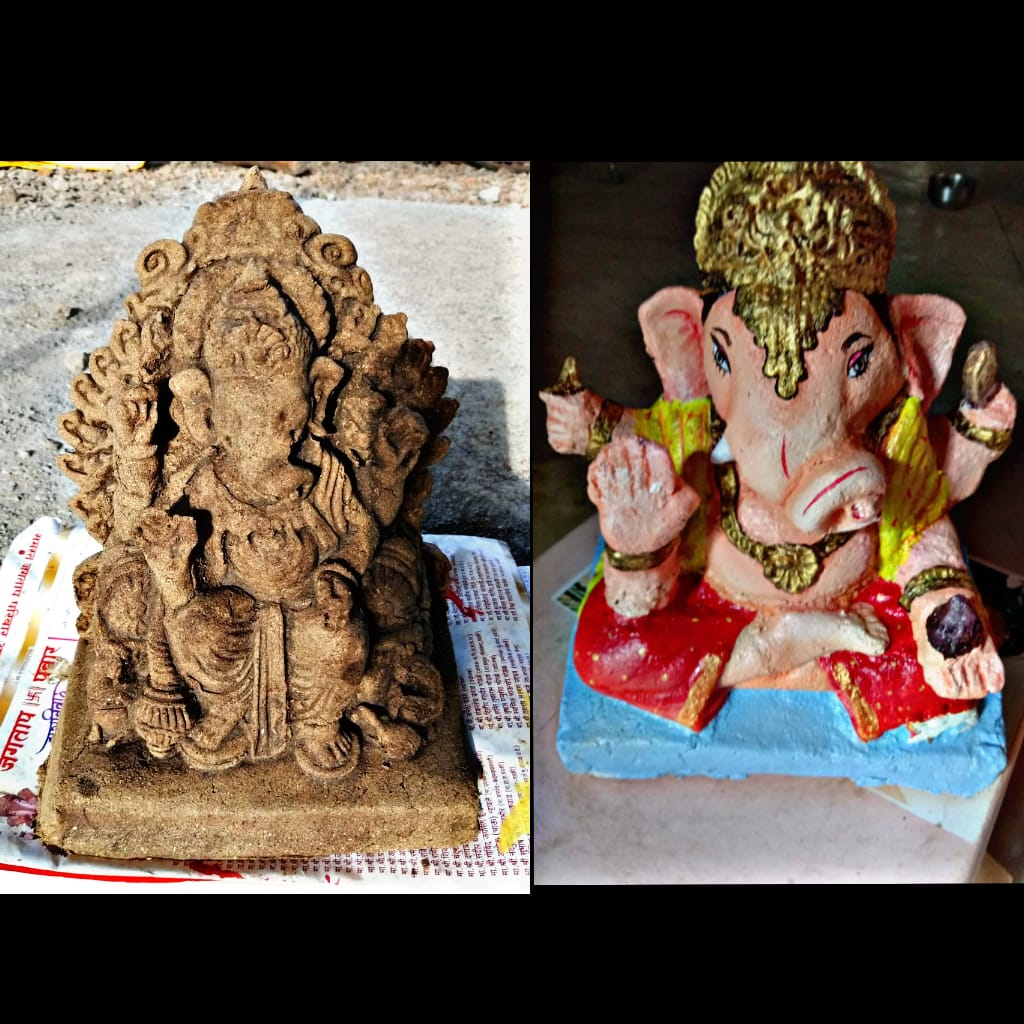
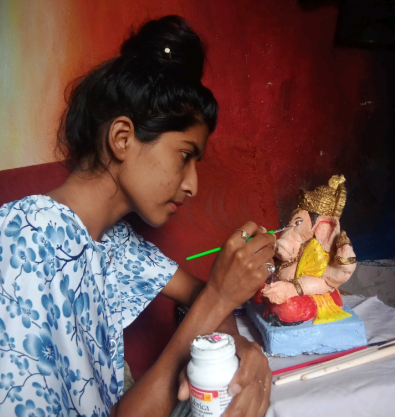
However, after the idols made from plaster of paris (white chalk, also used as cement) got banned because they are non-biodegradable, people have started using natural sculptures made from clay or cow dung.
Priya Prakash
Word count: 373
TY BA-Department of Journalism and Mass Communication
Vishwakarma University , Pune
यशस्वी उपयोग! भारतातले काँग्रेस गवताचे महासंकट दूर करण्यासाठी
डॉ किरण ठाकूर
पुणे, विश्वकर्मा विद्यापीठ विकास वार्ता केंद्र (वि वि वि वार्ता केंद्र)
सुमारे चार दशका पूर्वी भारतावर आलेले मोठे संकट दूर होत आल्याची चिन्हे आता दिसू लागली आहेत.
काँग्रेस गवत किंवा गाजर गवत अशा नावाने आलेलं हे संकट दूर करण्यासाठी उपयोगी ठरतो आहे एक सहा मिमी लांबीचा
क्षुद्र आणि निरुपद्रवी वाटणारा मूळचा मेक्सिकोचा भुंगा!
आपल्यावर मोठे उपकार करणाऱ्या या कीटकांची माहिती करून घेण्यापूर्वी हे काँग्रेस गवत आणि त्याच्यामुळे आलेले संकट
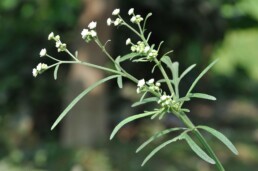
या विषयी जाणून घेऊ या. या तणाचे वनस्पती शास्त्रीय लॅटिन नाव .पार्थेनियम हिस्टेरिफोरस ( (Parthenium hysterophorus) असे आहे.
काँग्रेस गवत खाल्यामुळे गुरांच्या दुधाला कडवट चव येत असे. ्यंत वाढणारे हे गवत चवीने फारच कडवट असते .
लहान बालकांना अशा दुधाच्या सेवनामुळे इतर आजार होण्याची धास्ती होती.
या तणाचा देशातल्या शेतीला देखील मोठा धोका निर्माण झाला. सुमारे साडे तीन कोटी हेक्टर क्षेत्रावर या गवताने
आक्रमण केल्याने त्यावरची पिके नष्ट होऊ लागली होती .
भारतात आणि भारताबाहेर इंग्रजी वर्तमानपत्रानी तर या तणाला भयकारक नावं दिली होती. Scourge of India (भारतावर आलेलं अरिष्ट) हे त्यातलं एक. वर्ष १९८४ मध्ये हॉलिवूड चा ‘टर्मिनेटर’ या नावाचा चित्रपट जगभर गाजला होता.
मानव वंशाचा संहारच्या करू पाहणाऱ्यांचा निप्पात करणाऱ्या नायकाची ही कथा होती. विज्ञान कल्पित (Science fiction सायन्स फिक्शन ) असं स्वरूप असलेल्या या चित्रपटाचे नंतर आतापर्यंत सहा भाग (सिक्वील) निघाले.
टीव्ही आणि आता वेब सिरीअल सुरु आहेत. गेली छत्तीस वर्षे’ या टर्मिनेटर शब्दाने दहशत निर्माण केली. terminator आणि Scourge of India या इंग्रजी शब्दांना गुगल सर्च दिला की Parthenium hysterophorus (पार्थेनियम हिस्टेरिफोरस ) या संज्ञा वर आपण पोहोचतो.
काँग्रेस गवत किंवा गाजर गवत खेरीज वेगवेगळ्या भागात या तणाला वेगवेगळी नावं पडली होती. त्यातील एक होते चटकचांदणी. femine weed, dog flea, Santa Maria, bitter weed, carrot grass, false ragweed, fever few, white top, gajar ghas, अशी आणखी नवे.

काँग्रेस गवत किंवा गाजर गवत म्हणजे काय?
या गवतामुळे देश हताश झाला होता.
सत्तरच्या दशकात बेजार करून टाकणारा,
चेहरा - मान भेसूर करणारा, त्वचा रोग आणि दमा
अशा विकारांनी त्रस्त झालेले रुग्ण देशात मोठ्या संख्येनं
आढळण्याला कारणीभूत असलेले हे गवत होते.
चाऱ्याबरोबर पोटात गाजर गवत गुरांच्या पोटात गेल्यास
त्यांना आणि त्यांच्या दुधातून मानवाच्या पोटात गेल्यास
सर्वांनाच रोगांची बाधा होत असे.
लव्हाळयानंतर गाजर गवताचा त्रासदायक तणांमध्ये
क्रमांक लागेल. गाजर गवत भर उन्हाळ्यात धोतऱ्याबरोबर
(कणगुली) जिवंत रहाते. याच्या पांंढऱ्या बिया वाऱ्याबरोबर
आजूबाजूला पसरतात.
मुंग्यासुद्धा या बिया इकडेतिकडे पसरवतात.
तणाचा नायनाट करण्यासाठी मोठमोठ्या मोहीमा
अशा कुप्रसिद्ध तणाचा नायनाट करण्यासाठी मोठमोठ्या
मोहिमा हाती घेतल्या जात होत्या.
भारतात कृषी आणि वनस्पती शास्त्रज्ञ, त्वचा रोग डॉक्टर,
अशा अनेकांनी आघाडी उभारली. भारतात आणि देशाबाहेरही
स्वतंत्रपणे प्रयत्न सुरु झाले.
या मंथनातून भारतीय कृषी अनुसंधान परिषद आणि
तण संशोधन निदेशालाय यांनी मेक्सिको मधील
झायागींग्राम बायकोलाराटा या भुंग्यावर लक्ष केंद्रित केले.
मेक्सिको मधून आयात केलेल्या गव्हाबरोबर गाजर गवताचे
पार्थेनियम हिस्टेरोफोरसचे बी भारतात आले .
या प्रदेशात हे तण खाऊनच हा भुंगा जगतो आणि हे गवत
नष्ट होते हे लक्षात आल्याने या भुंग्यांची तेथून आयात करून
हा प्रयोग भारतात सुरु झाला.
केंद्र शासनाच्या ऑल इंडिया कोऑर्डिनटेड रीसर्च प्रोग्रॅमच्या माध्यमातून हा प्रयोग सुरु झाला. हळूहळू यश मिळत गेले तशी प्रयोगाची व्याप्ती वाढत गेली.
झायगोग्रामा
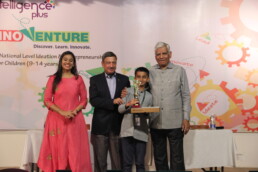
This Pune-based start-up is making children future-ready
Siddhi Gophane
Pune, August 30 2021
The New Education Policy (NEP) lays emphasis on creativity, innovation and overall personality development of students in schools. In other words, the policy focuses on equipping youngsters with what are known as ‘21 st -century skills’ globally.
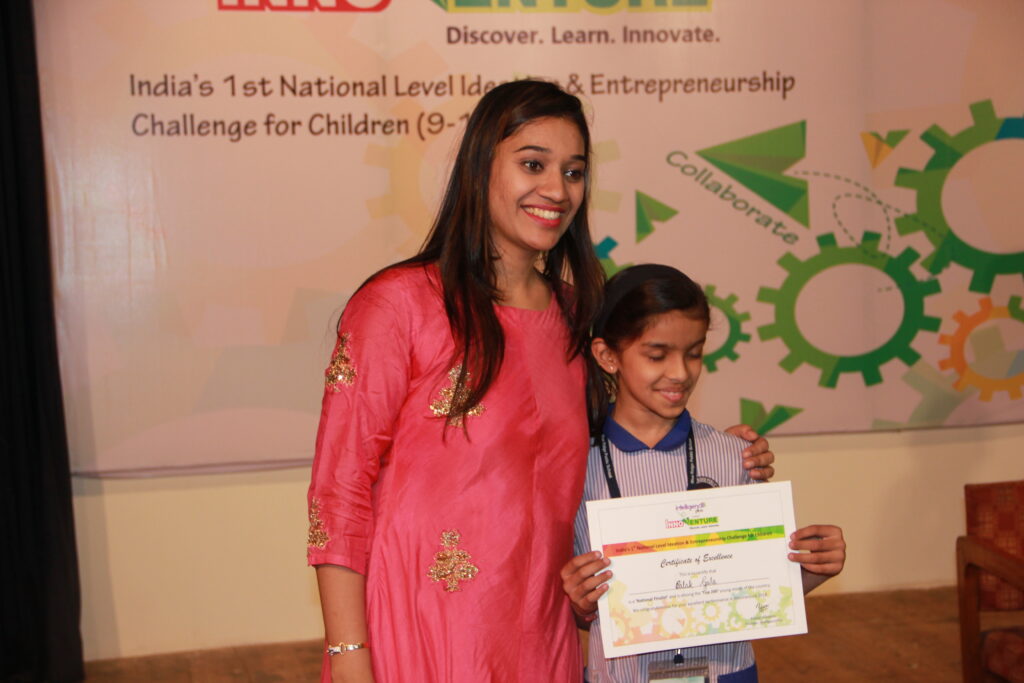
The NEP was introduced only in 2020, but young entrepreneur Pranjal Jain Gundesha had started to work along similar lines seven years ago.
Pranjal is the CEO and founder of Intelligence Plus, a Pune-based start-up that runs after-school programmes aimed at imparting 21 st -century skills to students aged 7-14 years.
Intelligence Plus, which was set up in 2013, has so far benefited more than 65,000 students from 400 schools in 126 districts across the country.
The idea to establish a start-up came to Pranjal’s mind after pondering over the huge gap that existed between what was taught at schools and what was required to compete at the world level.
“Aren’t creative thinking, collaboration and communication skills among the fundamental skills every child should learn? How do we make learning relevant for real life and how do we train young minds to be future-ready? These two questions bothered me a lot. I decided to do something about it and that is how the start-up came into existence,” said Pranjal.
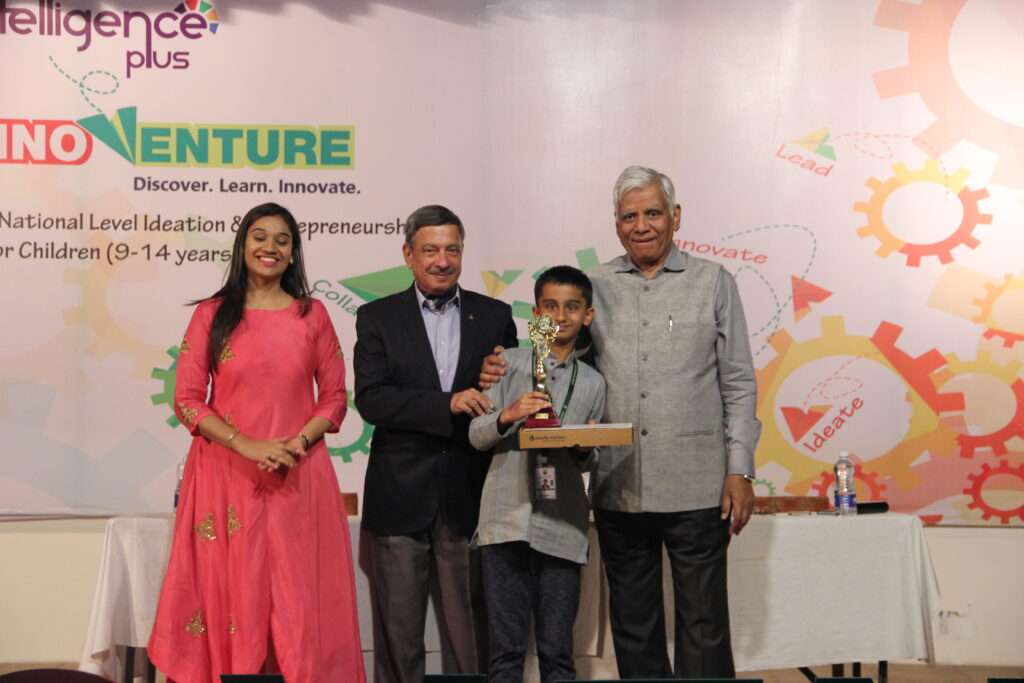
At Intelligence Plus, she created an atmosphere where children could start developing creativity, innovation and technical expertise, besides mastering communication, social, emotional and practical skills at a young age.
Talking about her initiatives, she said, “They say that children are the future of the country, but I believe that children are change makes today and not tomorrow. The youth are not the future of the nation, they are the nation today.”
Her efforts have not gone unrecognised. In 2010, she was named the Indian Ambassador for Business and Innovation for the International Youth Forum by the Government of Russia. In the same year, the Rotary International conferred on her the Youth Achiever’s Award too.
Her message for the future is: “We were educated to remember the solution since kindergarten, but were not educated to create the solution. We need to therefore ensure that children apply their knowledge and abilities to solve a real-world problem. Only then they will be future-ready and able to contribute towards nation-building.”
Word Count: 382 words
Edited by: Ankit Kumar Sing
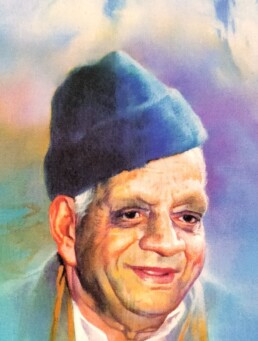
Mahatma Gandhi and his personal physician Ram Bhosle Who gave him a three-hour massage on August 8, 1942
Dr Ram Bhosle, a personal physician to Pandit Nehru, Mohandas Karamchand Gandhi, and scores of VVIPS in India had a rare honour to serve the Mahatma at the crucial three-hour period on August 8, 1942. That was immediately after the Mahatma asked the British government to Quit India while addressing a mammoth rally at the Gowalia Tank in Mumbai. That day he had given the clarion call to ‘Do or Die’ to win the Independence.
In his speech, Gandhi had said "Here is a mantra, a short one, that I give you. You may imprint it on your hearts and let every breath of yours give expression to it. The mantra is: "Do or Die". We shall either free India or die in the attempt; we shall not live to see the perpetuation of our slavery."
This was the second day of the three-day Congress session that charted the course of action for the party. The sessions were long until past midnight and very hectic and tiring for Gandhiji.
Dr Bhosle was with the Mahatma throughout that day where a sea of humanity had thronged to listen to his clarion call. Like with his other celebrity patients in the party, he had established a close bond with the Mahatma. The physician had realised that the Mahatma was greatly disturbed after the rally was over. He was not sure how the people in the country would react to his ‘Do or Die’ call. Did he do the right thing? What if the people did not respond peacefully, non-violently?
In the fourth revised edition of Dr Ramchandra Krishnarao Bhosle’s Marathi biography ‘Siddhahast’ released on March 11, 2021, journalist Dilip Chaware, has narrated how Gandhiji was overwhelmed by the people’s spontaneous response to his speech. It was punctuated by anti-British government and pro-Independence slogans. It appeared as if the people were willing to jump into the movement, here and now.
Mr Chaware, now retired as a political Special Correspondent of the Times of India, had begun working on the biography that was first published on April 11 2003.
He met Dr Bhosle several times to cross-check facts when he spoke of the trauma he suffered on August 8 1942. It agonised him that the people would take a big risk if they jumped into the movement the next day.
After the day’s session, Dr Bhosle gave massage for three hours that soothed the Mahatma’s nerves and calmed him down to a peaceful sleep for the day.
Dr Bhosle was trained at different sources beginning from Vienna Institute of Physical Medicine and Sir Herbert Barker, a British manipulative surgeon who had developed a highly successful technique specialising in knee and other damaged joints. Swami Nityanand from Vajreshwari, near Mumbai, was his spiritual guru. His numerous gurus from different walks of life included Indian classical singers, dancers, healers from the Himalayas, Tibet, China, India and Europe.
He culled out knowledge and wisdom from ancient scriptures such as Charak Samhita.
The outcome of his learning was his own technique called ‘vibro-massage’ which he tried successfully on his patients including the Mahatma, Pandit Nehru, Muhammad Ali Jinnah, Heads of State, British high officials, aristocrats and scores of freedom fighters who used to visit his clinic in Mumbai.
He had developed a special bond with the Mahatma by August eight 1942 when Gandhiji and several freedom fighters were imprisoned. Dr Bhosle had by then joined the revolutionaries in Maharashtra’s Satara district, operating under the banner of Prati Sarkar (Parallel Government). He had to flee to the Himalayas to escape arrest on charges of killing a British official. He carried ten warrants on his head, with a reward of Rs fifty thousand, author Chaware says in the biography.
Dr Kiran Thakur
Professor Emeritus
Director
VU Centre of Communication for Development
Department of Journalism and Mass Communication
Vishwakarma University
References:
Dilip Chaware, Siddhahast, Fourth Edition, Publisher Rohini Avinash Subhedar, email: patrakar@hotmail.com
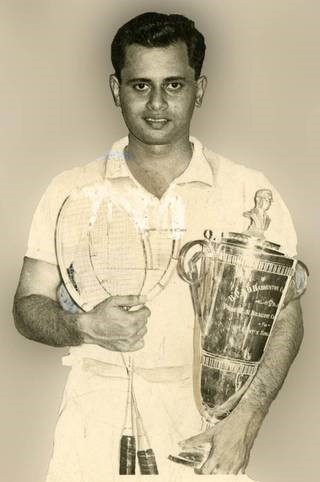
Remembering Nandu Natekar, India’s first badminton icon
Pune, August 4 2021
Indian badminton’s Grand Old Man, Nandu Natekar, passed away following
age-related complications in Pune on July 28. He was 88.
Natekar, a 17-time national badminton champion, was a man of many firsts.
He was the first Indian shuttler to clinch an international title (Malaysia, 1956)
and feature among the top-five ranked players in the world (ranked as high as
No 3 during his heyday). He was also among the first recipients of the Arjuna
Award in 1961.

Natekar or Nandu sir, as he was fondly called, enthralled sportslovers from the
50s and 60s with his deceptive style and stroke perfection at the court. His
backhand, in particular, came in for high praise from fans and critics alike.
He though nearly ended up making his career in tennis instead of badminton in
his youth.
The legendary shuttler, who grew up in Sangli before his family moved to
Mumbai, played both badminton and tennis with consummate ease during his
college days.
However, after he lost the final of a junior national championship to future
tennis great, Ramanathan Krishanan, he chose to focus entirely on badminton.
Within a short span of time, he carved a niche for himself at the national circuit
with his graceful style of play.
He was the first Indian to make a mark at the prestigious All England
Badminton Championship. In the 1954 edition, he advanced to the quarterfinals
before bowing out. His success inspired Prakash Padukone, who finally became
the first Indian to win the tournament 28 years later in 1980.
Among his other notable achievements included leading India at the Thomas
Cup thrice, bagging men’s singles and mixed doubles (with Meena Shaw) titles
at Bangkok Kings Cup and representing the country at the 1965 Commonwealth
Games in Jamaica.
In 1958, he registered what many claimed his greatest moment of career -- a
victory over World No 1 Erland Kops en route to the CCI Open crown. He
didn’t lose his skills even at the age of 47 when he clinched a veteran’s doubles
title at the All-England Championship.
Natekar’s interest in badminton didn’t wane after calling time on his
professional career. He kept in touch with the young crop of shuttlers including
Saina Nehwal and continued to provide them with useful tips on how to take
their game to a new level.
A lifelong lover of sports, he would be often seen playing golf in Pune, the city
where he lived in his later years. He would be sorely missed.
Word Count: 413 words
Edited by: AKS
Name: Deepanshu Srivastava
Home Town: Pune
Current Address: B/301 ,Suyog Leher Society,Kondhwa BK, Pune 411048
Phone No. 8530388457
Class: MAJMC (final)
Specialisation: Journalism
E mail: arunsri5523@rediffmail.com

From running barefoot to competing at Tokyo Olympics: Know Revathi Veeramani’s incredible success story
Pune, 03 August 2021
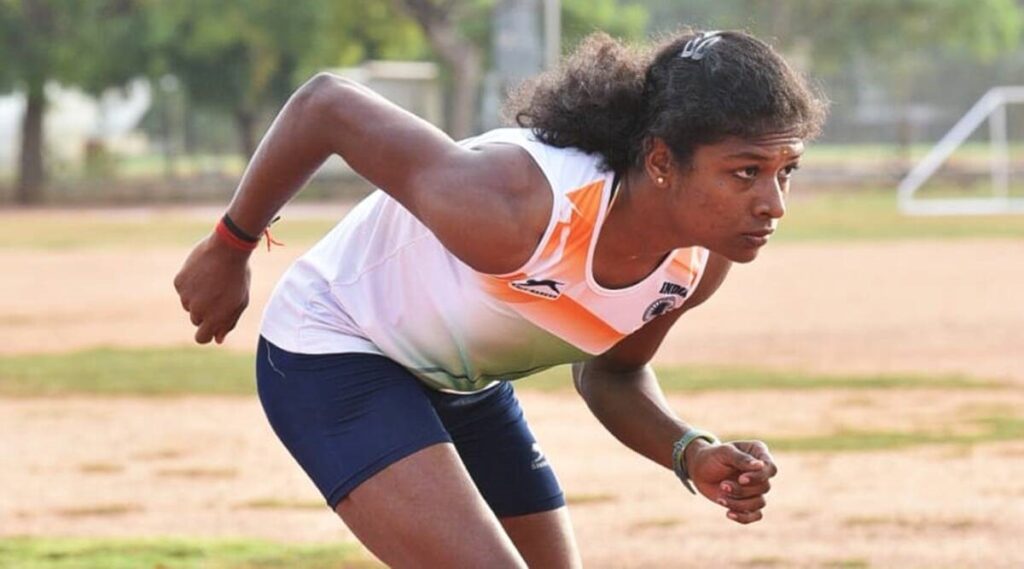
Revathi Veeramani lost both her parents when she was only five. She spent her
childhood in extreme poverty and ran barefoot in school meets.
Despite all these trials and tribulations, Revathi didn’t stop chasing her dream of
making it big in the sporting arena.
The 23-year-old recently represented India in the 4x400m relay at the ongoing
Tokyo Olympics. Her childhood dream has materialised.
EARLY DAYS
Born in Sakkimangalam village of Madurai, Tamil Nadu, Revathi was brought
up by her grandmother after her parents’ untimely death.
Poverty-stricken as the old lady – a daily wage earner—was, she chose to send
Revathi to a nearby school for studies.
In the school, she met coach K Kannan whospotted her hidden talent in running
and groomed her to be a top athlete.
To date, Revathi believes that without the guidance of her childhood coach, she
would not have been able to become an international athlete. “All my sporting
achievements are due to Kannan sir,” she said in a recent interview.
GRADUAL RISE
After participating in several college and district level events, she shot to the
limelight when she clinched gold medals in both 100m and 200m at the Junior
Nationals in 2016. Later, she went on to bag a silver medal at the Senior
Nationals.
Subsequently, she got selected for a national camp in Patiala which was training
athletes for the Olympics.
Revathi’s reputation grew immensely after she decided to run 400m instead of
100m and 200m following the advice ofa national camp coach, Galina
Bukharina.
She has been making rapid strides since then. After performing admirably at the
2019 Asian Championship in Doha, the 23-year-old was able to qualify for the
Tokyo Olympics without much difficulty.
At the Olympics, she could not progress beyond the heats but gained experience
of competing with the best athletes of the world. With age on her side, the
Tamil Nadu girl is expected to get better and bring laurels to the country in
future.
Deepanshu Srivastava
SYMA-Department of Journalism and Mass Communication
Word Count: 350words
Edited by: Prof. Ankit KS
Vishwakarma University, Pune.
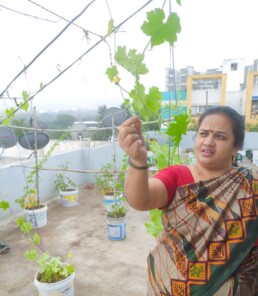
टेरेसवर फुलतोय घरासाठीचा भाजीपाला !
खर्चामध्ये होतेय बचत; कोरोनामुळे
गर्दीच्या ठिकाणी जाणे टळते
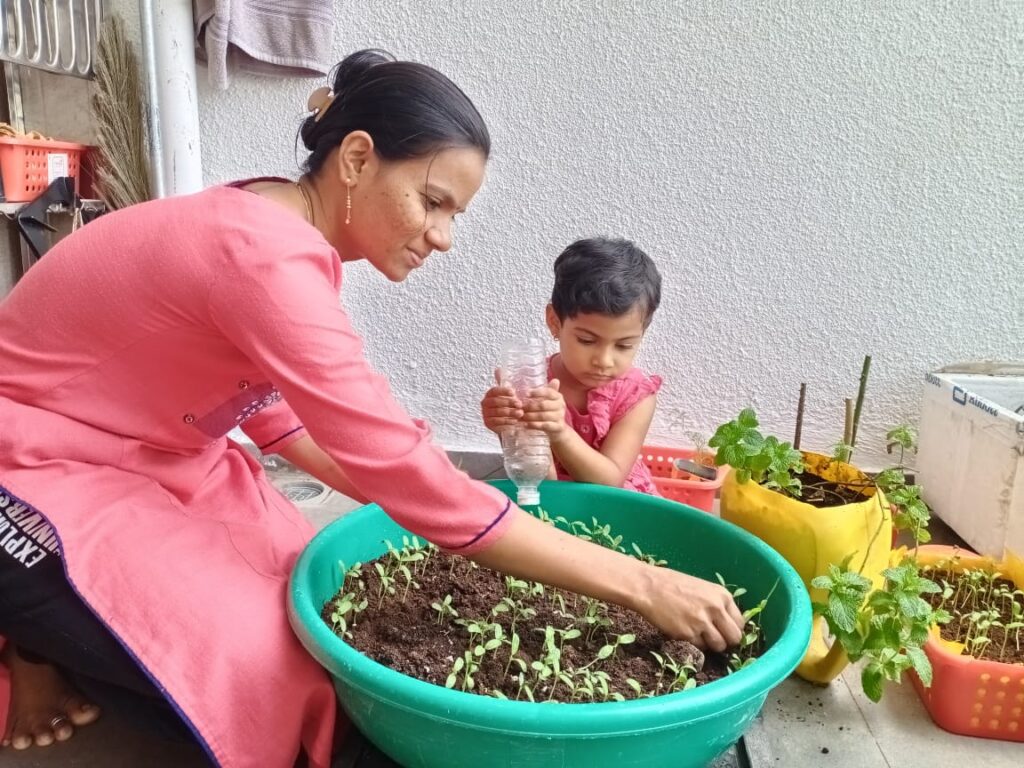
पुणे : चार जणांच्या कुटुंबाला पुरेल इतका भाजीपाला फ्लॅटच्या टेरेसवर पिकवला तर... एरवी अशक्य वाटणारी ही गोष्ट सिंहगड रस्त्यावरील धायरीमध्ये साकारली आहे. मनीषा तावरे यांच्याकडे भाजीपाला इतका पिकतो की, आता त्यांना तो विकत घेण्याची गरजच भासत नाही. त्यामुळे त्यांची परसबाग पाहण्यासाठी नागरिक तेथे भेट देऊ लागले आहेत. लॉकडाउनमुळे टेरेसवर भाजीपाला पिकविण्याची ‘क्रेझ’ अजूनही कायम आहे.
कोरोनाची दुसरी लाट राज्यात ओसरत असली तरी तिसऱ्या लाटेची भीती आहेच. या पार्श्वभूमीवर भाजी मंडई आणि बाजारात जाणे टाळण्यासाठी लॉकडाउनमध्ये अनेक महिलांनी घरच्याघरी भाज्यांची बाग तयार करण्यास सुरवात केली आहे. तावरे म्हणाल्या, ‘‘गेल्यावर्षी लॉकडाउन लागला. घरातील कामे झाली की, वेळ असायचा. त्यावेळी काय काम करायचे, याचा प्रश्न असायचा. तेव्हा टेरेसवर भाजीपाला पिकविण्याची कल्पना सुचली. थोडी माहिती घेतली आणि पतीच्या मदतीने बाग तयार केली. रंगांच्या रिकाम्या डब्यांत भाज्यांची रोपे लावली. त्यातून टोमॅटो, भेंडी, गवार, वांगी, कारले, दोडके, घोसाळे, दुधी भोपळा, भोपळा आदी विविध फळभाज्या तर कडीपत्ता, कोथिंबीर, मिरच्याही याच बागेतून मिळतात.’’ सुमारे दीड वर्षांत फुललेल्या या बागेमुळे भाज्यांच्याबाबत आम्ही स्वयंपूर्ण झालो आहेत. लॉकडाउनमुळे आता घरीच भाजी उपलब्ध होत असल्यामुळे खर्च वाचतो आणि गर्दीच्या ठिकाणी जाण्याची वेळ येत नाही, असेही त्यांनी सांगितले.
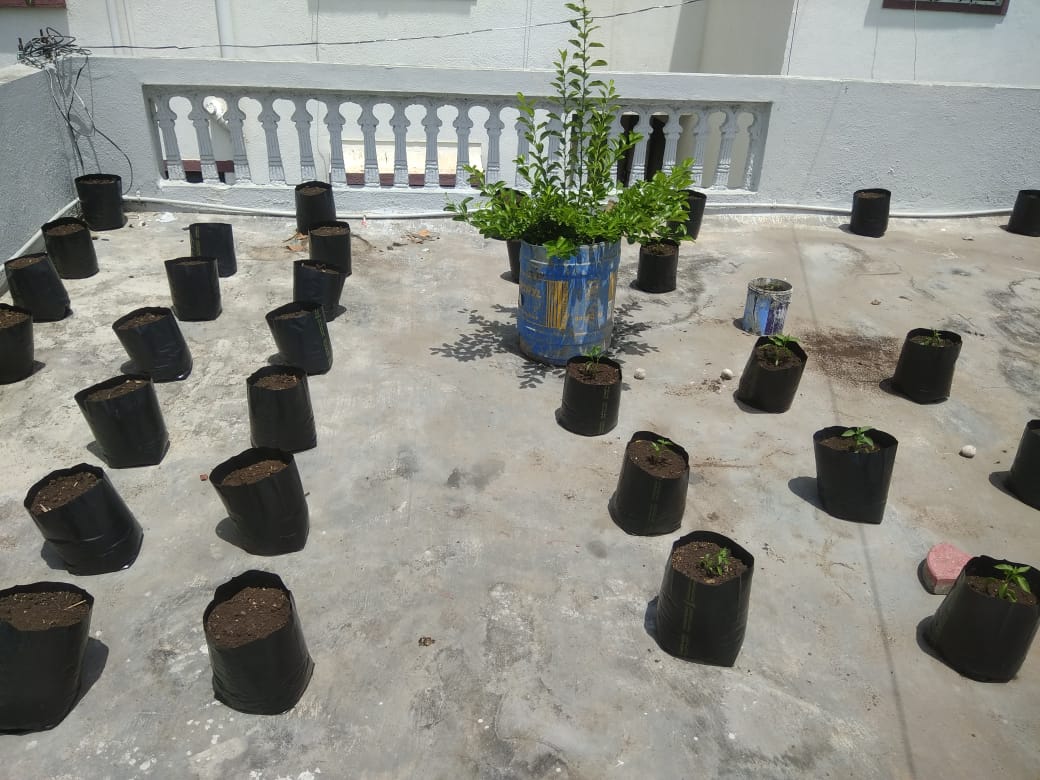
येवलेवाडीतील स्नेहल खेरडे यांनीही सदनिकेत फुलविलेल्या बागेत भाजीपाला लावला आहे. त्यातून त्यांना मिरच्या, कडीपत्ता, पुदीना, मेथी, शेपू, भेंडी आदी भाजीपाला मिळतो. भाजीपाल्याची रोपे त्यांनी तेलाचे ड्रम व छोट्या बादल्यांना व्यवस्थित आकार देऊन त्यात लावली आहेत. कोरोनाच्या काळात चांगल्या आरोग्यासाठी सेंद्रिय फळ आणि भाज्यांचा आहार मिळणे आवश्यक आहे. घरीच सेंद्रिय आणि ताजी भाजी मिळाली की बाजारात गर्दीच्या ठिकाणी जायची गरज पडत नाही, असे खेरडे यांनी सांगितले. भाजीपाल्यासोबतच औषधी वनस्पती, फुलांची झाडेही त्यांनी लावली आहेत.
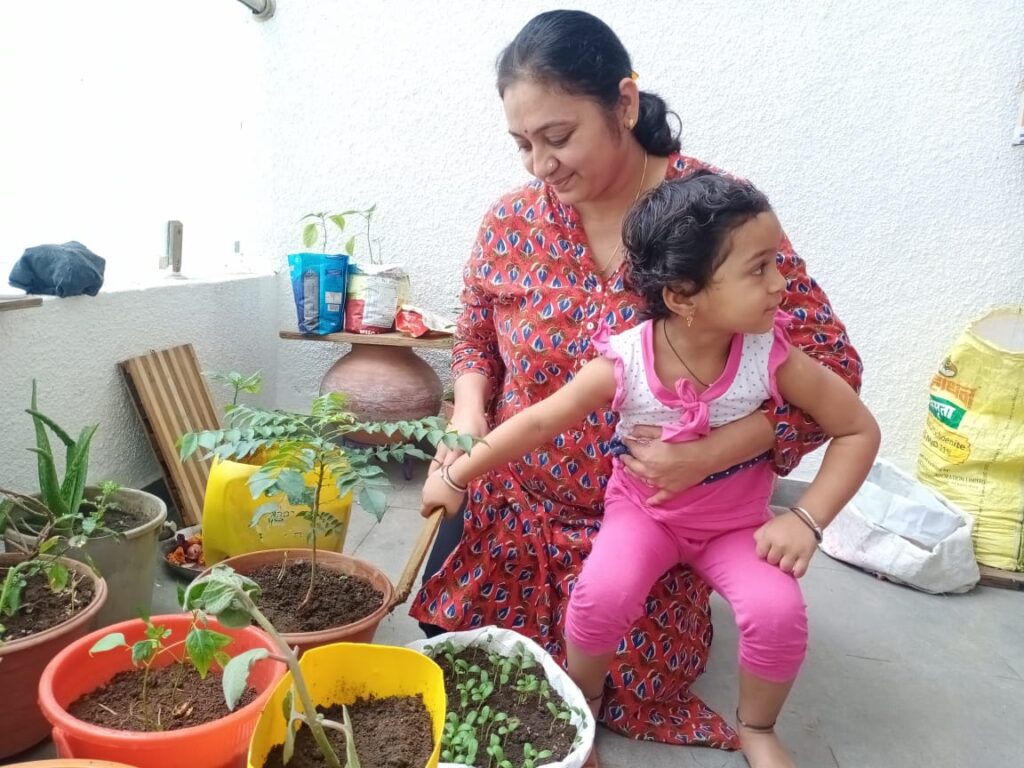
केळी, कांद्यापासून भाज्यांसाठी टॉनिक
घरातील बागेत भाजीपाला बहरण्यासाठी खत आणि पोषक पाणी आवश्यक असते. ते घरच्या घरी तयार करता येते, असे शिक्षिका असलेल्या वैशाली पठारे यांनी सांगितले. त्या म्हणाल्या, ‘‘केळीची साले पाण्यात तीन ते चार दिवस भिजून ठेवायची. त्यानंतर साली बाहेर काढून ते पाणी झाडांना वापरता येते. कारण, ते पोषक ठरते. ते आठ दिवस टिकते. तसेच केळीच्या सालीचे बारीक तुकडे करून झाडाच्या मातीमध्ये मिसळावीत. या खतामुळे झाडांना चांगले पोषण मिळते. कांद्याच्या साली पाण्यात तीन दिवस भिजून ठेवाव्यात. त्यानंतर त्या बाहेर काढून पाणी झाडांना टाकता येते.’’
Pratiksha Jadhav
TY-Department of Journalism and Mass Communication
Vishwakarma University, Pune.
James Thomas Molesworth Marathi-English Dictionary Project
Spanning a period from 1824 to June 2021 and is still continuing in a digital format as a website and as apps on smartphones freely available to anyone anywhere
By
Dr Kiran Thakur
Professor Emeritus
Director
VU Centre of Communication for Development
Department of Journalism & Mass Communication