
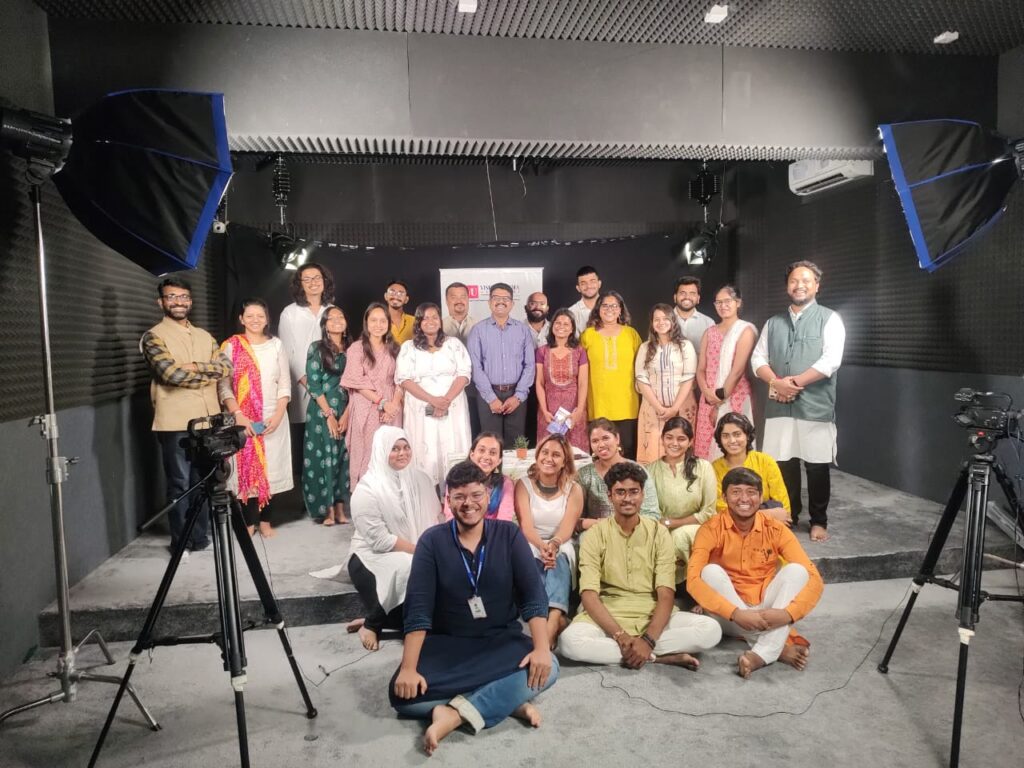
VUCCD Foundation Day: Administration and media must work in tandem for development: Sanjay Asawale
VUCCD Correspondent
Pune
The administration and media must work in tandem to facilitate development and help people said Pune Deputy Collector Sanjay Asawale in an interaction session with students of Vishwakarma University Department of Journalism and Communication.
Asawale was at the University campus to celebrate the second foundation day of Vishwakarma University’s Centre of Communication for Development (VUCCD).
Highlighting the role of bureaucracy in facilitating the development process, Asawale said that media is the people’s voice and also the bridge between the administration and the common people. He shared his experiences while fulfilling some toughest tasks.
He appreciated VUCCD’s efforts to veer the focus of coverage on people who are away from the media coverage.


VUCCD Lecture Series: Journalism is not going to die: Priyanka Vora
VUCCD Correspondent
Pune
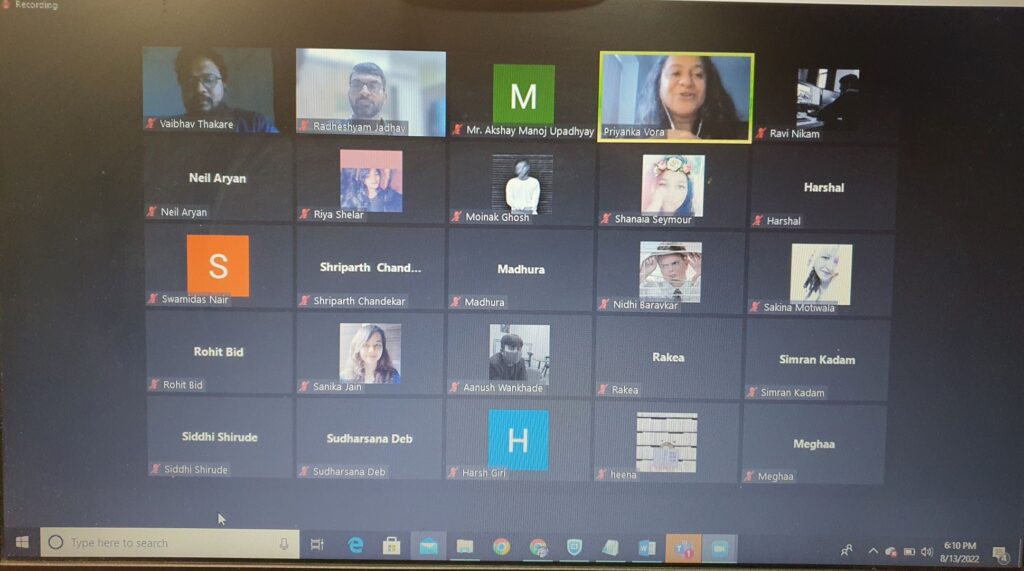
Journalism is here to stay as people will always need information said a New York-based journalist and Director of SEO at Axios while speaking to Vishwakarma University’s Journalism and Mass Communication Students.
Vora recently delivered a lecture as a part of the Vishwakarma University’s Centre of Communication for Development (VUCCD) lecture series.
She insisted that reader-driven news is going to dominate the news media scenario and “audience first” policy is vital for news organizations to sustain. “Serve your readers, not advertisers,” she said adding that ethical journalism will always be in demand.
Narrating her journey from an Indian journalist to an international media player, Vora said that dedication and hard work will take aspiring journalists to their dream destinations in their careers.
Students asked her various questions about career opportunities in media and the current media scenarios.
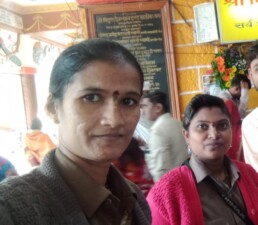
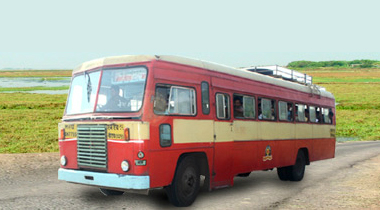
Women bus conductors are ticketing the change
Nidhi Baravkar
Pune
“Stray dogs don't scare me. They bark and might bite sometimes and then leave you. But men -- these drunkards are worse than dogs. They catcall and harass constantly” says Manisha Sutar who works as a conductor in the Maharashtra State Road Transport (MSRTC) bus. As she shared the nightmares she faces while performing her duty, Manisha says that one needs courage to work in the transport sector.
Transport jobs can be well paid, rewarding and offer long-term career opportunities. Unfortunately, and unacceptably, few women are employed in these jobs and some positions fall below the standard of decent work. One of the barriers to a career in transport is workplace violence states the International Labour Office (ILO) document ‘ Women in Transport Sector’.
Sujata Barge who has worked for the last 14 years as bus conductor has similar stories like Manisha. “ I used to cry every day when I started working. Many passengers were very rude to me as they were not used to seeing a woman as a bus conductor. I was intimidated by men when I was on night duty”. She adds, “ After working for so many years, now I have learnt a lot. I have learnt to be more assertive and strict with people. Also, how to be gentle when needed”. Sujata's family was extremely supportive when she decided to continue her work even after marriage. She manages to spend her time with her in-laws as well as her red mother and children.
Manisha Sutar joined the duty a few years later after Sujata. Sujata helped her fit in and get used to the hardships.
The will to work
“One must be strong-willed and courageous if you want to do this job. You meet all types of people and you have to deal with them. You should be mentally prepared to tackle such people” says Manisha. She adds, “ My husband was not supportive in my work”. She decided to separate. She lives on her own in a small flat, and cooks for herself before going to work and after coming back too. “ It is very tiring. It drains you mentally and physically. But when you remember you are doing this for yourself, it gives you power," she said.
MSRTC introduced the first batch of women bus conductors in the early 2000s. These women conductors get equal pay and other benefits including health allowances. They also get 18-month leave during pregnancy and are also encouraged to do desk jobs when they are carrying.
Transport is still regarded as ‘no place for women' in many countries/sectors around the world. Women in the transport sector often find themselves stuck in low(er) paid/low(er) status jobs with few, if any, opportunities for career development, according to the ILO.
Changing the situation
For many bus conductors like Manisha and Sujata, life is not easy. They work in the male-dominated sector and male chauvinist surrounding. “ You have to keep going and face everything with courage,” says Manisha.
There are many sectors where women have challenged male dominance and the transport sector is opening up doors for women. Courageous women like Manisha and Sujata are paving the way for other women who want to take up the challenge.
According to ILO the freedom to work – by choice, in conditions of dignity, safety and fairness – is integral to human welfare. Guaranteeing that women have access to this right is an important end in itself. From an economic perspective, reducing gender gaps in labour force participation could substantially boost global GDP.
( Nidhi Baravkar is a student of VUJMC at Vishwakarma University)
Picture courtesy: MSRTC
No shortcut to achieving dreams
Swamidas Nair
Pune
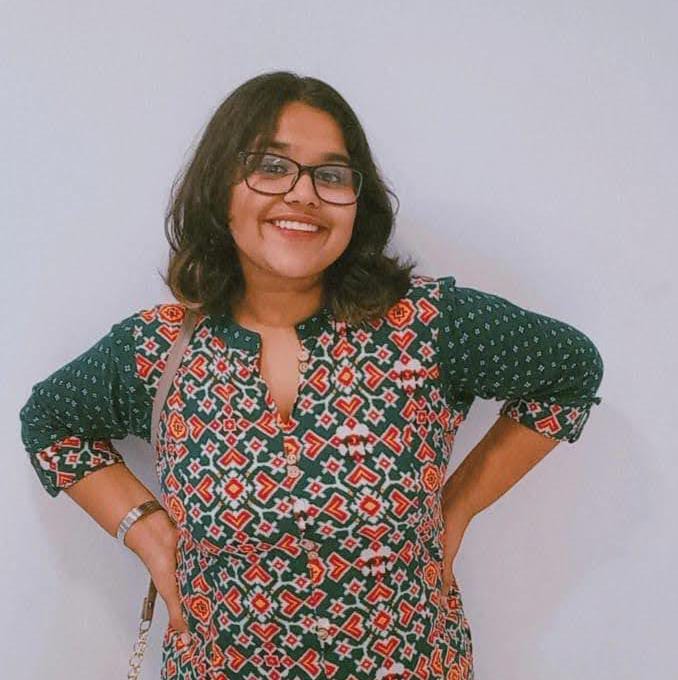
There are many who dream but very few who pursue the dream. Anuj Singh’s story is the story of a young boy who faced a lot of hardship in life but remained determined to bring change.
He was born in Uttar Pradesh in a middle-class family. He was the eldest among his three younger sisters. As a child, he was naughty and carefree. He was good at his studies. But Anuj felt the burden on his shoulders too early owing to the tough financial condition of the family. He would work along with his father in shops while his mother struggled to run a family of six with limited income.
As the family stayed in a small congested accommodation, Anuj would feel the discomfort of his parents and sisters. As he was growing he realized that he needs to do something which would make life better for his family. Anuj recalls that he was in eighth stranded when he decided that he would study hard and earn handsome money so that his family could live a quality life. But the path of his journey was not easy. He cycled to attend tuition classes and avoided wandering with friends and attending spending money on hoteling.
He dreamt of becoming a doctor but then his family’s financial condition was not good enough to support him. For higher education, he opted for the commerce side and decided to become a charted accountant (CA). After appearing for Common Proficiency Test (CPT) he was bedridden due to illness. He was hospitalized and there was an immense financial burden on his family. His distant relatives and friends started pressurizing him and also taunting him that instead of studying anything more, he must earn for the family.
New Turn
In the given condition, it was impossible to continue any studies, says Anuj adding that after he passed CPT de decided to drop further studies. “ Earning for the family was the top priority and I came to the conclusion to start coaching classes for aspirant CAs,” he says.
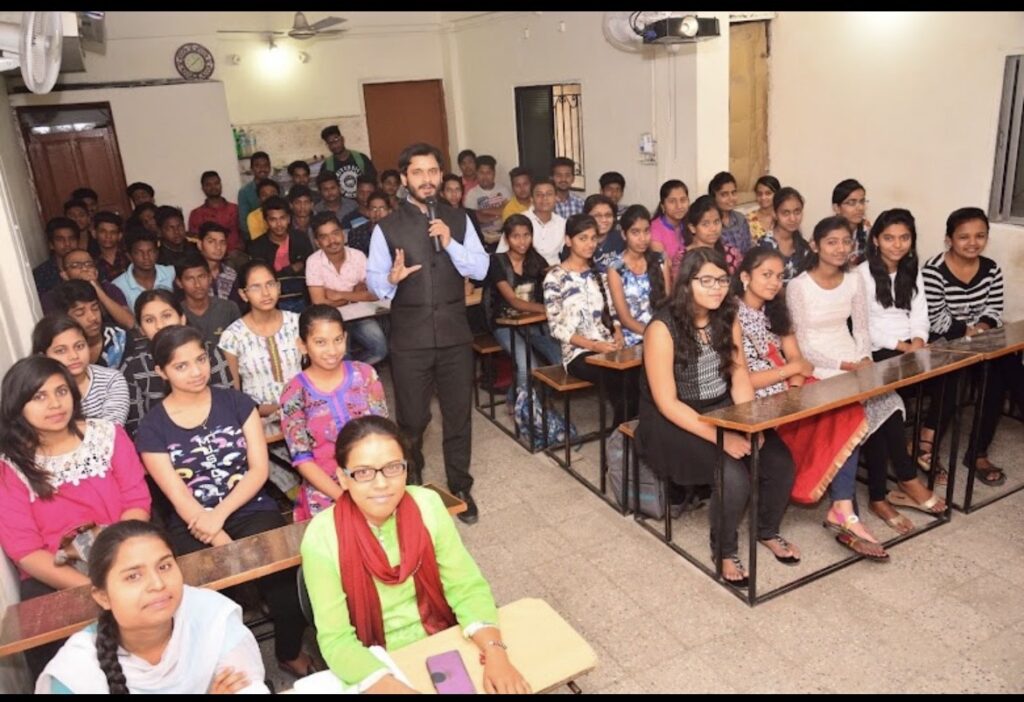
In 2013 he started Anuj Singh Academy in Pune. The classes were for tenth and twelfth-standard students who wanted to pursue a career as CA. The journey that started with 50 students now has four thousand students and the number is rising every year.
Starting tuition class was the temporary plan to earn for the family. But classes became popular and Anuj decided to continue with the task. Average 15-20 students from his class pass CPT and start their journey to become CAs.
“ My day starts at 4 am with Yoga and ends around 10 pm at night,” says Anuj adding that even today he doesn’t attend any parties and spends maximum time with the family.
At the age of 28, he has managed to shoulder the responsibility of the family and also determine his own career path.
“ My life situation is the biggest inspiration. Whatever I have achieved today because of my students' love and affection” he says. Anuj is popular among his students and many students who have passed out of his class continue to draw inspiration from him.
The Life Story
Anuj had to change his path, leave some dreams behind and take up something which he had never imagined. Life is full of surprises and Anuj is gritty enough to take it as it comes.
His suggestion to youth is that many times things will not go as you want and there will be rough patches in life. But don’t allow these rough patches to withdraw from the battle to achieve the dream. Move on and face the challenges, there is no shortcut to achieve dreams.
(Swamidas Nair is a SYBAJMC student at Vishwakarma University)

When life posed challenges, Sonal had befitting answers

Madhura Janorkar
Pune
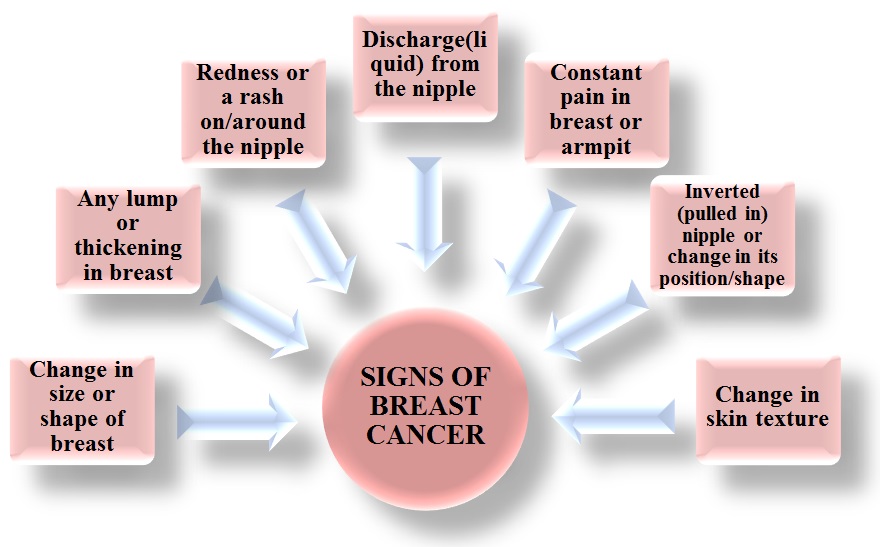
Sonal, a 46-year-old single mother always made it a point to do self-examination regularly since her mother died of breast cancer. However, no one expects to actually find anything. Sonal faced the wrath of societal pressure the moment she decided to get a divorce and raise her daughter independently. Her own family was unsure of how she would manage in a society where a single woman is not given the respect she deserves. However, she went against it all and fought for herself and her child. She worked hard day and night and reached a senior position at her workplace.
Sonal has completed BSC (Statistics) and advanced diploma in software application and works with a private firm as delivery manager.
Everyone knew she is strong, but the day she felt a hard lump in her breast, it came crashing down. It was December of 2020 and the pandemic was not getting better. Deciding to not let the fear boggle her decisions, she immediately went to a doctor. Talking about the same, she says, “My mother died of breast cancer. She had noticed the signs earlier, but she hid it from all of us because of fear. By the time, I noticed it and took her to the doctor, it was too late. Cancer had spread and it was stage IV. She bravely fought it until the last, but the only thing that was stuck in my mind was a lot more could have been done if she had told us sooner. She might have been here today to see my success and her granddaughter's achievements.”
Fortunately, the self-examination and fight against the fear worked and the cancer was in an early stage and only localized to the outer tissues. A breast conservation surgery or BCS was enough to remove it along with chemotherapy and radiation. Breast conservation surgery is done to remove the part of cancer while keeping the breast tissues and shape as normal as possible.
Facing the Facts of Life
“I met a lot of other women while I was undergoing my treatment. All of them seemed to have lost the reason to live because of their cancer diagnosis. On the other hand, the diagnosis was hard. I took my time to accept it, but while doing so I just thought of one thing. I have a lot to live and I want to see my daughter standing up on her feet, she needs me and I have to be there for her. This very thought was enough for me as a mother to fight anything that came my way. I couldn’t let a disease break me down. I decided to fight with it with all in me and take it positively. The diagnosis was bad, but I had many positives. The stage was not later, there are treatments and the doctors are exceptional at what they do. The only thing I had to do was to be positive and fight as much as I could and I did it” she says.
Emotional Sonal requests that women worldwide, not think of cancer as the end of their lives. She urges them to look at their loved ones, and keep fighting positively. She firmly believes that the reason she could go through those intensive eight months of treatment and surgery without hurdles was her will to defeat the disease. The pandemic was hard, she only had her daughter because limited people were allowed in the hospitals, but the only thing that mattered was to win against the disease and come out healthy.

Still Going Strong
Now that Sonal is back to her daily routine and work life, she thinks of what happened as a big lesson for herself. It has made her stronger than ever and helped her defeat the only fear she had.
“My life has shown me the most difficult challenges and also given me the strength to fight them. Being a divorcee and single mother made a difference in society’s eyes. To date, I am not sure of how a person will react when I say that I am a divorcee. But that doesn’t bother me anymore, because I am independent and I have raised my daughter well. Getting cancer, and having to go through 6 intensive chemo cycles and 21 settings of radiation after the surgery seems unthinkable and hard. But I had to do it, for myself and my daughter. So why not do it with positivity?” she asks.
Getting a mastectomy, which means the removal of both breasts is a dreadful dream for women because of what society thinks. A woman is supposed to look in a certain way and getting an integral part of the shape removed, leaves many women terrified of ever stepping out in the public. What they fail to understand is that there are many reconstructive options available. Even if not, nothing is more important that their life. If you decide to do a mastectomy, remember that the shape of your body and the scars don’t matter, what matters is how you face it.
Today, Sonal hopes that she can inspire at least one other woman to not fear breast cancer and fight it. She wishes to join a group or NGO when she retires and tell the tale of her fight with cancer to others to help them understand that they are not alone.
(Madhura Janorkar is a TYBAJMC student at Vishwakarma University)


Saraswati’s tryst with tragedies
Sanika Jain
Pimpri Chinchwad
When Saraswati felt severe pain in her breast, she went to the nearby hospital. At the age of 47, she was detected with breast cancer and she was aghast. All her life she had battled many odds and a series of tragedies and this was another one.
Born and brought up in Kolkata Saraswati completed her education till 9th standard and at the age of 25, she was married. Within two months of marriage, she separated from her husband after delivering a boy. Ask her about the reason for separation and she is unwilling to speak. As she narrates her story in a small congested room near an apartment in Pimpri Chinchwad, she hesitates and fumbles many times.
She started tailoring and handicraft as a hobby when she was young but later it turned into an occupation for her. But then came another shock “ At the age of 13 my kid developed a liver jaundice which deteriorated. We tried to do everything to save him, but couldn’t. He died” she says and goes silent unable to speak further.
“ Losing him has been the most painful experience imaginable. I was miserable for years after his death,” she says sobbing. “The death of my only son has left me with an open wound which will never heal,” she manages to add. The pain is visible on her face as she tried to control her tears.
With their son’s death, her husband was back in her life. A year later after losing their son, the couple moved from Kolkata to Pimpri-Chinchwad. She tries to earn a livelihood by doing tailoring, her husband hunts for the job now and then.
Challenging Cancer
As she was detected with breast cancer Saraswati was disheartened. Earlier her mother too was detected with breast cancer at the age of 55 and she lost her mother during treatment.
Saraswati’s breast cancer treatment was carried out at Deenanath Mangeshkar Hospital, Pune. As she was managing to cope with the mental and financial stress, there was another tragic mode in her life. Her husband met with a dangerous accident which resulted in paralysis of his partial body.
Saraswati says, “It was a strenuous phase for me as I had to look after my husband and at the same time I myself had to undergo an operation for breast cancer.” She was broken and felt defeated, but was not ready to give up. She continued her treatment and also looked after her husband.
The chemotherapy treatment did not suit her body. It had to be stopped immediately.
“No matter how much I fight and overcome problems, they never stop chasing me,” she says gasping.
“ I had to accept things and face the situation. Throughout the treatment, I faced everyday positivity and boldly” she says. She had to undergo a mastectomy.
According to the American Cancer Society, mastectomy is breast cancer surgery that removes the entire breast. A mastectomy might be done when a woman cannot be treated with breast-conserving surgery (lumpectomy) or if a woman chooses mastectomy over breast-conserving surgery for personal reasons.
The surgery is also done for women at very high risk of getting second breast cancer who sometimes choose to have a double mastectomy (the removal of both breasts).
Saraswati is strong-willed and she went through the surgery bravely. All through the treatment process her husband, brother, friends, and relatives were with her, she says.
She holds the dream of starting her own business of handicraft items and dressmaking. Paul also wants to build an institute where she can teach handicraft and tailoring as well as offer jobs to needy women. She is moving towards accomplishing her dreams and pursuing her goals with determination and tenacity.
After mastectomy Saraswati is not very comfortable going out. She says that after her son’s death she doesn’t pay any attention to herself. But she knows that she has to get up and fight. She has to earn a livelihood and she has to fulfill her dream.
“ This is life, after all, we all have to face it” is what she has to say to conclude the conversation.
( Sanika Jain is an SYBAJMC student at Vishwakarma University.
Pic courtesy: Breast Cancer Survivors India FB page and National Health Portal)
Daring Deval who changed the destiny
Manali Doshi
Pune
For years, Deval Doshi was yearning to do something on her own. As her kids were growing and she was getting some time to think about her long pending wishes. Like thousands of girls, she was married, even as she was completing her education. She was just 22 and her family insisted that she must get married. She wanted to complete her graduation, but was unable to express her wish.
After marriage, she shifted from Gujarat to Mumbai and then to Pune. Her life revolved around her two kids and husband. As she thought about stepping out of the threshold, she stopped herself. “ I don’t have the educational qualifications to do a job? Who will give me a job? What skills do I have?” these and many questions danced around her and she was dismayed.
But she didn’t allow the dismay to prevail. She started thinking about what were other ways to fulfill her wish. The wish was simple. To work and become financially independent, support their husbands and family, and also satisfy her own wish to do something.
Her best friend Madhavi supported her saying that she was on the right track. Madhavi also helped her financially and connected her to many like-minded people.
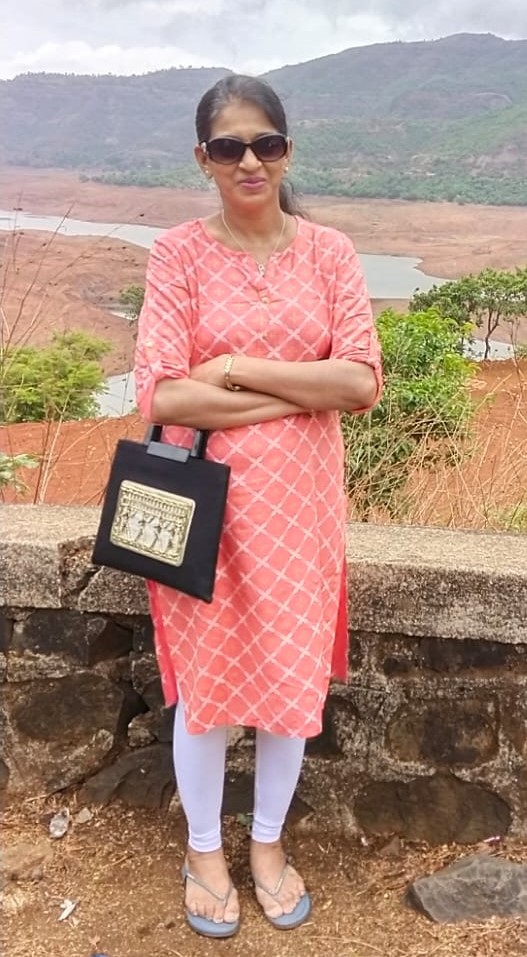
Deval felt like trying something in cloth and food items. She started speaking to cloth vendors in various states. She started building the network in Pune and fulfilled their orders. Her customers were women and she provided them with all kinds of dresses, dress materials etc. But already women were purchasing online and Deval had to convince them that she had a better deal. Meanwhile, she also started selling snacks. She prepared snacks at home initially and then with help of the other two women she started increasing the network.
But the journey was a bumpy ride. She started with a very small business of clothes and food items but still faced challenges. She was not that good with her communication skills and connecting with people. Also, there were issues with the family members who thought that she has no reason to get into all these things and must concentrate on home and family.
Crossing the threshold
The latest National Family Health Survey (NFHS-5) states that in India, only 32 percent of currently married women aged 15-49 are employed, compared with 98 percent of currently married men age 15-49.
Eighty-five percent of currently married women who earn cash say that they make decisions alone or jointly with their husbands on how their cash earnings are used. It is most common for women to make these decisions jointly with their husbands; only 18 percent mainly make these decisions alone. For 14 percent of women, the husband is the sole decision maker regarding the use of women’s earnings.
In India, housewives are generally discouraged from working as traditionally it is believed that women must take responsibility of husbands, kids, and in-laws. Earning money is the responsibility of men and women should look after the household.
But Deval was sure about herself. She took care of her family but at the same time, she didn’t restrict herself to household work.
“ After 9-10 years of all the struggle I have learned many things. I improved my communication skill and this helped me in mouth publicity of my business” she says. This process wasn’t easy for her. She was demotivated and criticized. “ But I have learned to stand for myself,” says Deval adding that a journey from a docile housewife to a businesswoman has taught her a lot. A strong will and mental strength helped her to keep going.
Today she has a network of cloth vendors who are connected with her and Deval caters to the requirement of women. She is also into the business of imitation jewelry and her snacks business is rising. She dreams of opening her own shop and expand the business.
Self-realization
Deval’s story is the story of thousands of women who want to excel in life despite all odds and opposition from society and people who want women to restrict to kids and cooking.
According to the Ministry of rural development, 57,209 enterprises came up during 2020-21 and 41,623 enterprises in 2021-22 when India was grappled with the Covid-19 pandemic. According to the Ministry, SHG women shouldered the responsibilities of the situation and emerged as a strong task force in producing several quality products like masks, protective gear kits, sanitizers, and hand wash.
“Products were procured and distributed by the local administration to various stakeholders. While addressing the need, these SHG rural women entrepreneurs set up an example of themselves and earned an additional income” the Ministry states.
But is not just rural women, their counterparts in urban areas are also striving to prove their mettle and Deval is one of them.
(Manali Doshi is a SYMAJMC student at Vishwakarma University)

Migrating in search of better lives
Sudharsana Jain & Ritvik Nair
Pune
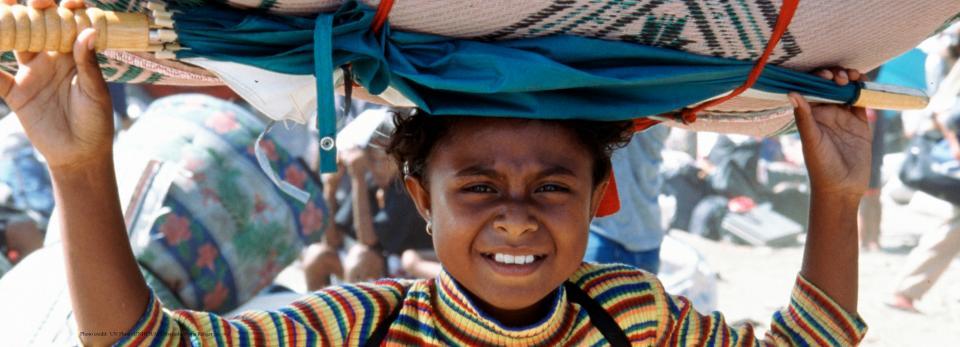
Naresh Patil, a 28 years old tea vendor, came to Pune in 2010 from his village in Rajasthan after completing his 9th.
He worked at MIT college canteen alongside his uncle and sold tea. But he never restricted his potential there. Throughout the span of seven years, he started accumulating all the necessary financial resources. After all those years of hard work, around five years ago he finally was able to rent a small tea stall in a roadside alley on FC road and he named it ‘Sudarshan Tea Corner’.
One would always find people around his stall with their “chai ka cup” in hand talking with their friends, family, and colleagues about how good or bad their day was or discussing some political or social, or economic topics. The tea-drinking culture of India helped his small business grow a lot that now he earns Rs 25,000 per month. After a sip of his tea, you could find the joy on people’s faces which is enough proof for Naresh to know that his hard work is paying off.
Although Naresh’s success might be small but it is inspiring enough how a young boy from Rajasthan with no experience in this line, with his constant hard work and dedication, is now an independent businessman running his own tea stall selling a cup full of love with cutting chai.
Mumbai kulfi
FC road is also known Namdar Gopal Krishna Gokhle is full of numerous shops, especially women's shopping.
Amidst the crowded lanes, there is a kulfi wala named Mumbai kulfi who also gives you falooda in three flavors - strawberry, mango and pista.
“My name is Balbir Singh and I came from Madhya Pradesh,” he says. He started kulfi selling in Mumbai and after two years working in India’s financial capital, he came to Pune just six months back. “ I am 12th pass and earn Rs 10,000 per month,” he says.
Being a migrant, Balbir continues to work hard as he knows that hard work is the only capital he has to survive.
Migration Track
According to the government migration of workers from one place to another is a continuous process. The workers migrate out of their native places in search of livelihood.
The migration of agricultural labour from rural to urban areas is a general phenomenon and a natural part of the development process. The reasons for this shift include, inter alia, better employment opportunities in industry and services, increasing urbanization, low income in agriculture etc. In a market economy like India, the movement of the people for better economic opportunities is inexorable, according to the government.
The Constitution of India guarantees the right to every citizen to move and reside in any State/UT in search of an Occupation/Job. According to the Economic Survey 2016-17 the size of the workforce as per Census 2011, was 482 million (48.2 crore) people and based on extrapolation, this figure could have exceeded 500 million (50 crore) in 2016.
If the share of migrants in the workforce is estimated to be even 20%, the size of the migrant workforce can be estimated to be over 100 million (10 crore) in 2016 in absolute terms.
(Sudharsana Jain & Ritvik Nair are students of SYBAJMC at Vishwakarma University, Picture – United Nations Population Division)
Knocking at the doors of the school
Richa Paunikar
Pune
There is a family wedding on the anvil but Shabana is not happy. She is disturbed and depressed. There is nothing to be happy she says adding that the family is hunting for a groom for her brother’s daughter.
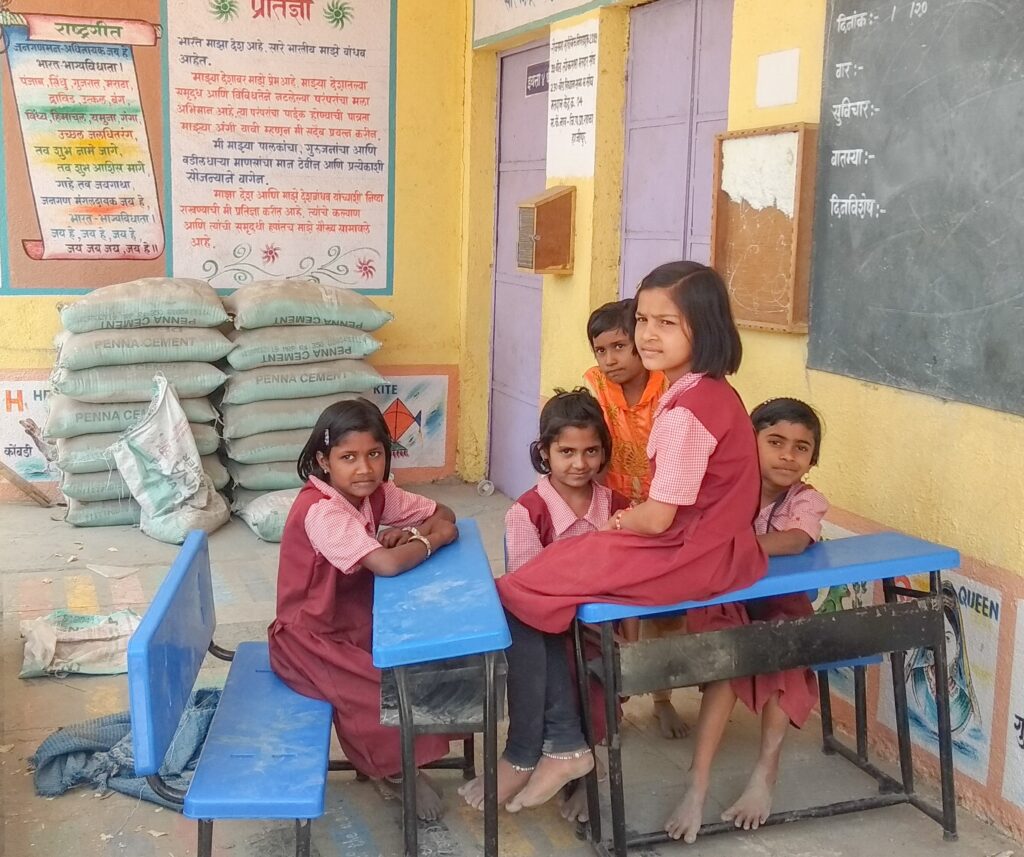
“She is too young to be married,” says Shabana who is unwilling to speak much about this. When prodded, Shabana says that at a tender age girls must get an education and enjoy school life. But instead, the poor girl are forced be marry someone who might be double their age. “ Same will be the case with my brother’s daughter. I can’t do much as it is a tradition in the village to marry off girls as soon as possible,” she says.
Shabana herself never went to school and instead accompanied her parents in the fields. Born in Nashik district she left to Dongargaon village near Nagpur with her parents. She came to Pune after being married at the age of 14.
“I wanted to attend school, but my parents had no money. I was helpless” she recalls with gloom in her eyes.
Her husband works as a Mistry who does temporary work whenever it is available. Now at the age of 24, Shabana has three children including a girl and two boys. “ Whatever my husband is earning is not enough even to feed the family. I realized that I have to do some work. Initially my husband didn’t allow me to step out of the house. But I was determined that I have to work if I want to educate my children” she says.
Physically abused by her in-laws, Shabana faced torture and continued living with the family for the sake of her children. “ Where to complain and to whom I should complain?” she says.
“ I have to work and have no scope for any complaints. My two kids go to a government school but I dream to educate them in an English medium school. But my husband’s salary goes into paying house rent and I have to work if want to educate my kids” she insists. Shabana works as a cleaner in an university and is also looking for more work. She says that she was never able to go to school, but her kids will definitely get education. Shabana insists that she wants her daughter to get a good education and stand on her own in her life. Education matters, she insists.
Girls in Schools
The National Family Health Survey (NFHS-5) states that urban women are more educated than their rural counterparts. As per the survey, 27% of rural women have never attended school, compared with 13 percent of urban women. Twenty percent of women in rural areas have completed 12 or more years of schooling, compared with 39 percent in urban areas. The percentage of women and men who have completed secondary school or higher increases by wealth quintile; 6 percent of women and 10 percent of men in the lowest wealth quintile completed 12 or more years of schooling, compared with more than half of women (55%) and men (62%) in the highest wealth quintile.
Interestingly the survey reveals that the ideal family size declines with an increasing level of education among women. Women with no schooling consider 2.5 children to be ideal, compared with 1.8 children for women with 12 or more years of schooling.
Education is the solution
Shabana says that are hundreds of women like her who want to stop the vicious circle of child marriages and educate their girls. “ In urban areas, it is easy to convince the family members against marrying girls at a young age. In the village it is difficult” she adds.
Shabana says that once educated her daughter will be aware of her rights and no one will be able to exploit her.
The NFHS survey is in consonance with her feelings. Based on the reports of ever-married women age 18-49 of their experience of spousal violence, husbands who have completed 12 or more years of schooling are half as likely (21%) to commit physical, sexual, or emotional spousal violence as husbands with no schooling (43%). Women with husbands having the same education level as them are less likely (26%) to have experienced spousal violence than women in couples in which neither attended school (44%) or one or the other has more schooling.

Fatima and Shabana
In January this year Google Doodle celebrated Indian educator and feminist icon Fatima Sheikh, who is widely considered to be India’s first Muslim woman teacher. Alongside fellow pioneers and social reformers Jyotirao and Savitribai Phule, Sheikh co-founded the Indigenous Library in 1848, one of India’s first schools for girls.
Google wrote that Fatima Sheikh was born on 9 January 1831 in Pune and lived with her brother Usman. They opened their home to the Phules after Jyotirao’s father asked the couple to leave home if they wanted to educate “lower caste” children.
“ The Indigenous Library opened under the Sheikhs' roof. Here, Savitribai Phule and Fatima Sheikh taught communities of marginalized Dalit and Muslim women and children who were denied education based on class, religion, or gender” Google adds.
Fatima went door-to-door to invite the downtrodden in her community to learn at the Indigenous Library and escape the rigidity of the Indian caste system. She met great resistance from the dominant classes who attempted to humiliate those involved in the Satyashodhak movement, but Sheikh and her allies persisted according the Google information.
Shabana and many like her might not be aware of Fatima’s struggle, but they are walking the same path laid by Fatima. The path of education will empower their kids to take control of their own lives.
( Richa Paunikar is SYMAJMC student at Vishwakarma University. Pictures: Google doodle and RBJ)
75 Years of Freedom: The man who has kept freedom fighters and martyrs alive
Team VUCCD
Sangli
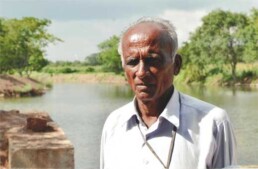
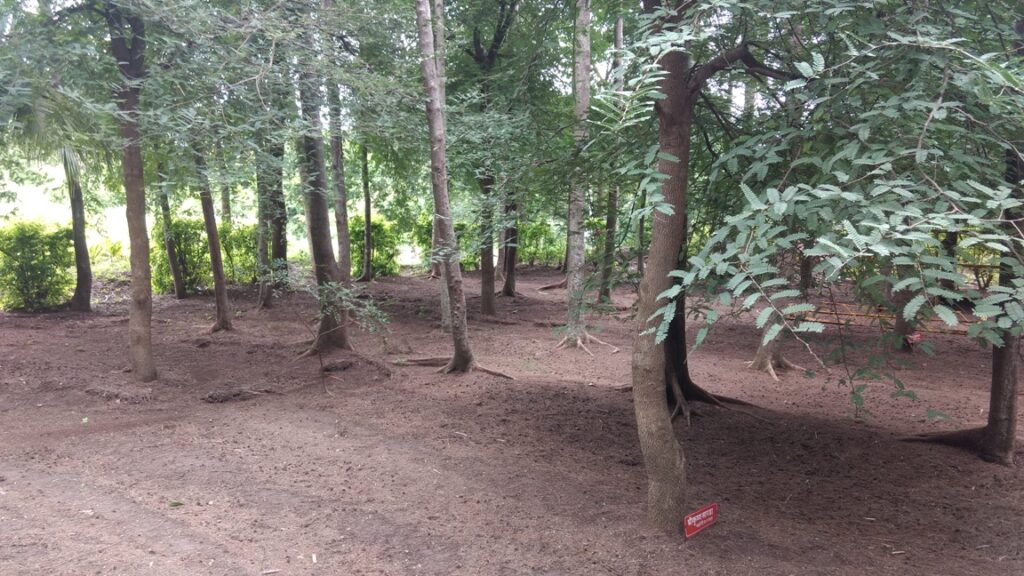
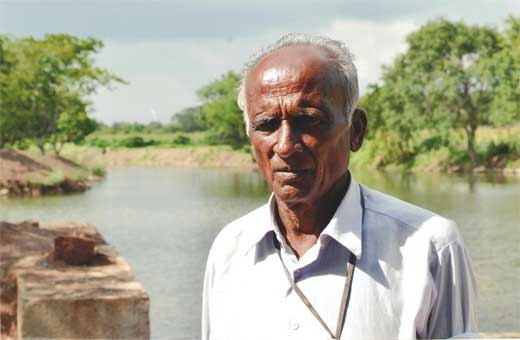
A batch of school students from a nearby village has come for a day trip in lush green Kranti Van in Balwadi village in Sangli district. As students walk around the trees, an octogenarian wearing white shirt with folded sleeves and vijar (a white balloon trouser) looks at them standing in the corner. His eyes twinkle and he has a broad smile on his wrinkled and ragged face.
As one of the young school girls stops near a tree and reads a plaque near the tree, the old man puts his hand on her head and helps her to read the plaque. “Pritilata Waddedar” the girl reads and looks up at him.
“She was a brave girl. Same like you. She sacrificed her life for the freedom we are enjoying today. You must know about her” he says and narrates Pritilata’s story to the young girl who is now joined by others.
Pritilata was just 21 when she gave up her life for the nation. She was part of the group of revolutionary leader Surya Sen who planned an attack in Chittagong. He formed a group of some 40 revolutionaries for the attack on Pahartali European Club – which stood as a symbol of the British Raj. Pritilata led the attack along with fellow revolutionaries and British soldiers fired at her. The bullet pierced into her leg and as police was about to arrest her, she consumed a cyanide capsule from her pocket. She died because if police had arrested her, they would have tortured and forced her to reveal the details of the revolutionary group fighting for freedom.
Young girls are stunned to hear the story and the old man takes them to the other tree. “No. This is not just a tree. This is Mangal Pande. He is Chandrashekhar Azad and meet Birsa Munda” he says pointing towards the trees around.
Every single tree at Kranti Van is named after a freedom fighter and for Sampatrao Pawar India’s freedom fighters are alive here in form of trees.
Living freedom fighters
“It is our responsibility to keep the spirit of the Indian freedom struggle alive. Why build statues and buildings in the name of great leaders? Nobody draws inspiration from statues. Instead, we should build memorials that are befitting. Planting a tree in the name of a martyr is the best homage we can pay” he says.
Sampatrao, a farmer thought about the idea of Kranti Van in 1992 when India celebrated the golden jubilee of the Quit India movement. The Quit India Movement or Bharat Chhodo Andolan was one of the landmark movements in India's freedom struggle. This disobedience movement was launched in August 1942 after Mahatma Gandhi’s clarion call for immediate independence. Mahatma Gandhi addressed the nation from Mumbai’s Gowalia Tank (now called the August Kranti Maidan). Hundreds of people were imprisoned and as part of the agitation, Aruna Asaf Ali hoisted the Indian tricolor for the very first time.
To keep memories of martyrs in the Quit India movement and Indian freedom fighters Sampatrao went to schools and colleges appealing to students to join his mission to plant trees in the name of martyrs.
There was barren land in the village and Sampatrao along with school students started planting trees. Thousands of students and college youth joined the drive and by 1998 over 1,475 trees were flourishing on the patch. Each tree was named after a martyr and freedom fighter. A small open auditorium and platforms were constructed so that students could come for a day trip and know about the Indian freedom struggle. Every Saturday and Sunday students gathered in Kranti Van to hear stories of freedom fighters.
Dream halted
However, the Sangli district administration jumped into action and issued notice to Sampatrao Pawar saying that he had encroached on the government land and some of the villagers had complained that the plantation and construction on the spot had blocked their road.
Sampatrao and students decided to hand over Kranti Van to the government. He requested the government that trees are named after martyrs and freedom fighters and must be protected. The district administration took over the land and Sampatrao and students were not allowed to carry out any activity there. Just within a year, the Kranti Van project was destroyed. Trees were cut by unidentified people and the government couldn’t do anything. The land was once again barren.
“I felt helpless that time. But I told myself that we have to overcome all odds and build a living memorial for our martyrs. One day I decided that I shall continue to build the memorial on my own land” said Sampatrao.
The new path
He cleared his four-acre sugarcane tract and told his family that he wants to plant trees in the memories of freedom fighters. Family and friends were stunned as the sugarcane yield was the major source of income for the family. Villages ridiculed him and some even called him a “mad man” who lives in a utopian world. But Sampatrao was unwilling to listen to anyone. The price of four-acre land in the region runs in crores. But Sampatrao said that they can grow sugarcane on another patch of family land.
Sampatrao was fighting for his dream all alone, and his 21-year-old son Vaibhav joined him. There was water scarcity and hence father and son started digging a well in the field. Meanwhile, school and college students were coming to plant and look after trees. As Kranti van was taking shape, Samatrao received a major shock.
While digging the well a stone lifter crashed and hit Vaibhav who was digging the well. He died on the spot. As Sampatrao looked at the dead body of his son, villagers and family members cursed him for his madness and urged him to behave like a normal person and stop pursuing Kranti Van idea. In the crematorium, while Vaibhav’s remains were consigned to flames, Sampatrao was inconsolable but not defeated. After cremating Vaibhav’s body, Sampatrao was back to build the memorial for martyrs. While he continued to pursue the idea of a memorial, his family struggled to survive and his children suffered.
After all the struggle, Sampatrao has built a living memorial for his heroes and heroines. “Still it is not complete. We must have a multi-purpose auditorium, hostel, and residential digital centre where students can come and stay and learn about the Indian freedom struggle. It is people’s project and people must come forward to take complete it” says Sampatrao. At the age of 80, he is still knocking on doors for help to complete the Kranti Van project.
The urge
“We as the nation have completely forgotten the price our ancestors paid to get this freedom. We are engrossed in the politics of memorials and statues. But planting trees and protecting them is the best tribute to keep our freedom fighters and martyrs alive. They will constantly remind us that freedom has not come without any price” he says.
As we fight climate change, Sampatrao’s idea to create memorials by planting trees comes as a major affirmative step.
But Sampatrao has not stopped just planting trees. He says that our rivers, mountains and environment must be protected and preserved for the next generation.
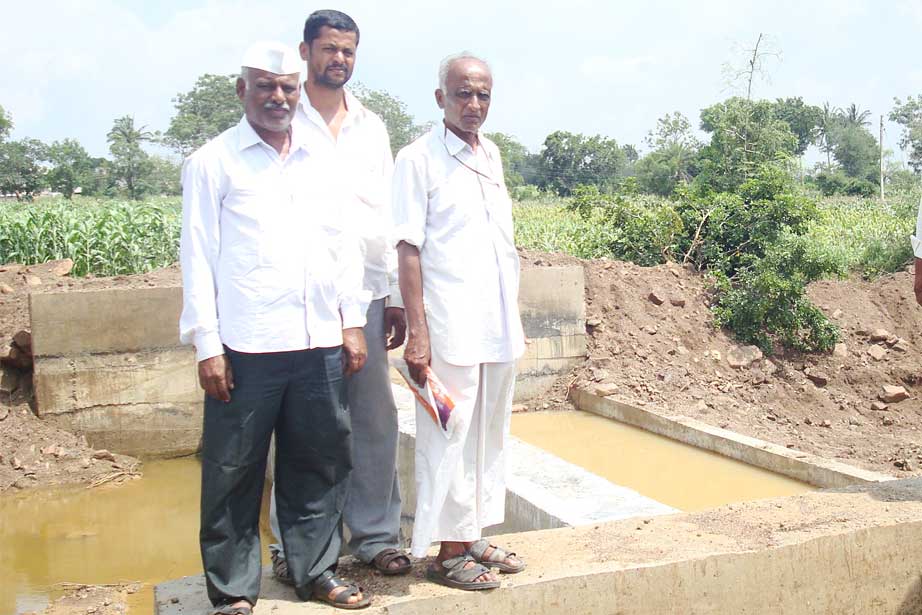
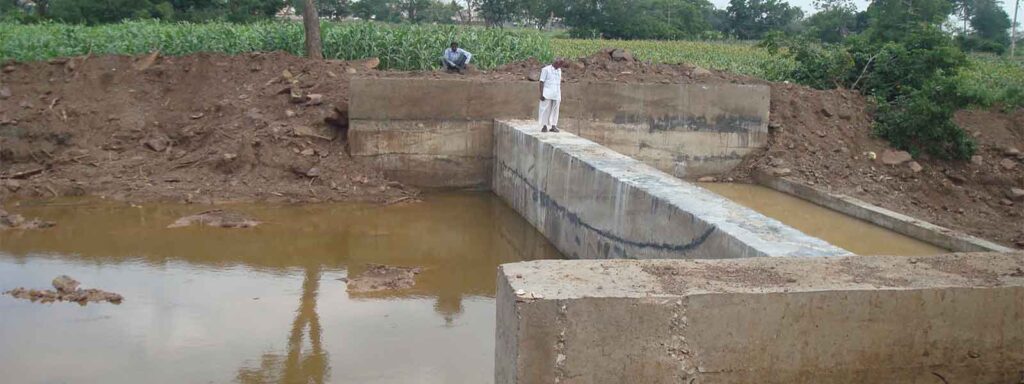
He led the movement to resuscitate the Agrani river which dried up due to encroachments and silt accumulation. The government didn’t do anything to save the river and hence villagers started the movement. Villagers widen the river stretch and construct check dams. Villagers worked 24/7 and completed works costing Rs 2 crore at just Rs 65 lakh. Today, the river has 50-60 bunds which has helped raise the water table and a total of 21 villages benefitting about 30,000 farmers
“We must not keep complaining. We must fight to find the solution. It is only we – the people who will change our lives and the destiny of the nation” says Sampatrao who is not tired of the struggles and continues to work selflessly.