
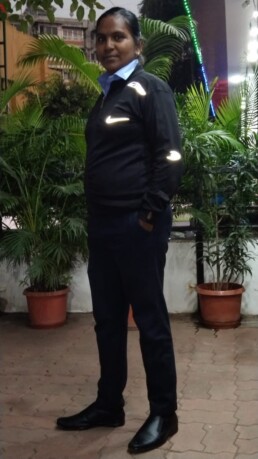
Shattering Stereotypes: Every Fatima’s unyielding resolve
By Sudarshana Jain
(Edited by Sanika Jain)
Fatima’s life recently took a heart-breaking turn with her sister’s passing. She now bears the responsibility of caring for her ailing mother, who struggles with multiple health issues. Her income as a Pink Auto-rickshaw driver provides her with a decent wage that she uses to cover expenses and purchase her mother’s medications. She selflessly prioritized her family’s needs over her personal desires, displaying remarkable strength in the face of adversity.
For nearly a year now, Fatima has been navigating the streets of Pune. Fatima Khalil Shaikh, a 32-year-old unmarried native of Pune, Maharashtra, made the brave decision to become a Pink Auto-rickshaw driver to support her family’s financial needs. Dissatisfied with her previous job due to low pay, she chose to embark on this new journey.
Her previous work experience, marked by low pay and uncertainty, fuelled her determination to create a better life for herself and her family. Despite having to sell her own home for personal reasons, Fatima remains resolute. She aspires to own a home once again, ensuring her family’s comfort, and dreams of running a small tea stall. This aspiration reflects her pragmatic approach to life, seeking stability and the opportunity to bring joy to others.
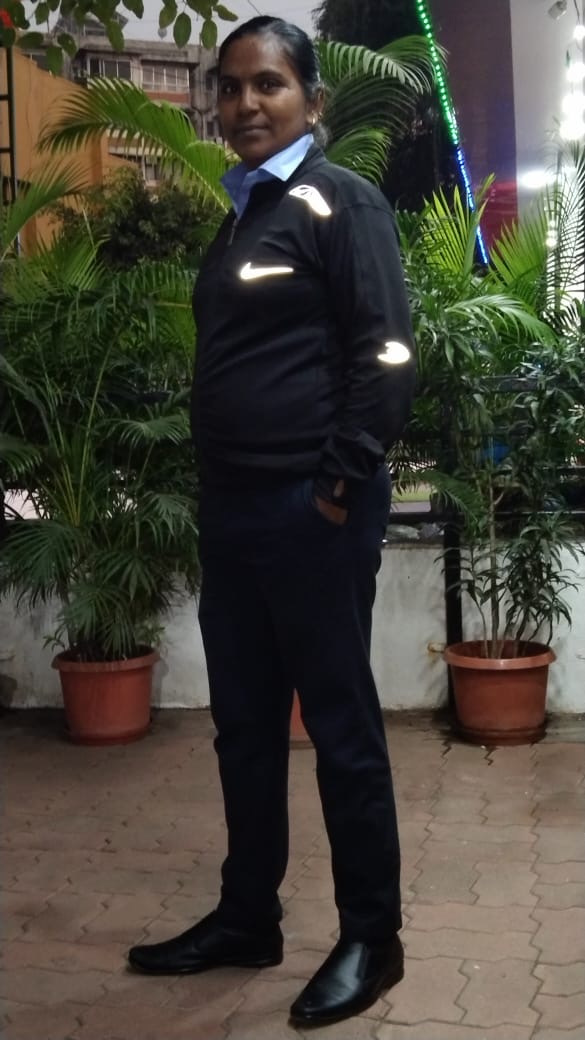
Fatima’s strength transcends her role behind the steering wheel; it’s deeply rooted in her ambitions. She aptly summarizes her outlook with, “Take it as my compulsion or my confidence,” encapsulating her philosophy of turning challenges into opportunities. She acknowledges the complexity of her choices but embraces them wholeheartedly.
In a society where norms sometimes stifle individuality, Fatima draws strength from her family’s unwavering support, which shields her from societal judgments.
As we reflect on Fatima Khalil Shaikh’s remarkable journey, we are reminded that empowerment isn’t a grand gesture but a series of choices, actions, and attitudes.
Through her Pink Auto-rickshaw, she isn’t just transporting passengers; she’s conveying the message that anyone, regardless of their circumstances, can choose to rise. Fatima’s journey isn’t just about driving; it’s about navigating life’s challenges with unwavering determination and demonstrating that, even in a male-dominated profession, the road to success knows no gender.
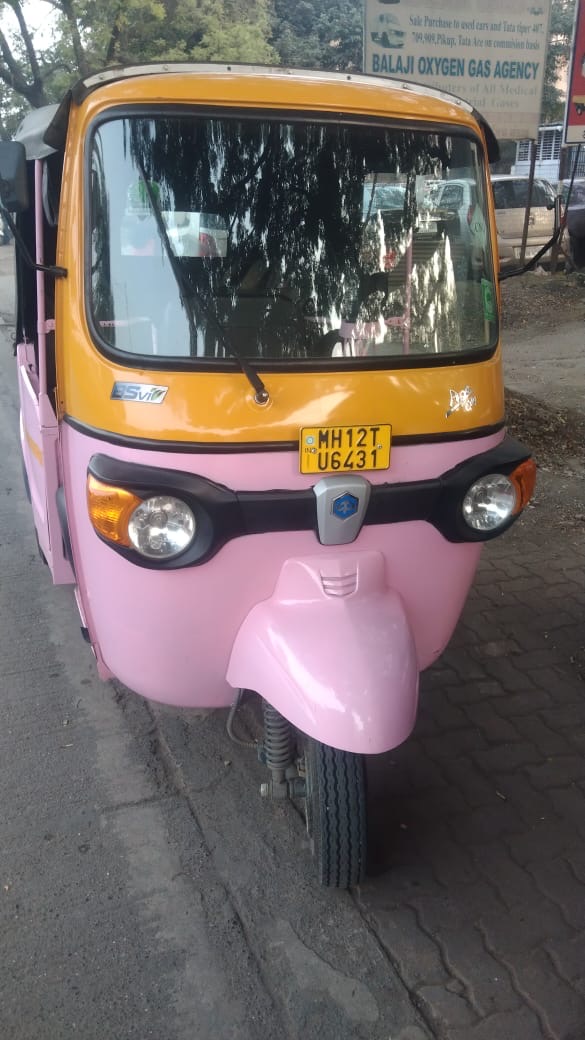
Pink Auto Program Data
India’s Pink Auto program is an initiative aimed at empowering women. Launched in 2013 by the Ministry of Women and Child Development, this program provides women in India with access to safe and affordable transportation. It offers women discounted access to three-wheeled motor vehicles known as auto-rickshaws, while also creating employment and training opportunities for female drivers.
Since its inception, the Pink Auto program has trained and employed nearly 10,000 women drivers. The program has received recognition for its positive impact on women’s safety and economic empowerment. Not only has it made travel more comfortable and independent for women, but it has also contributed to reducing gender-based violence in India.
The Indian auto-rickshaw industry has also benefited from the Pink Auto program. The increase in female drivers has led to greater demand for auto-rickshaws, providing more opportunities for drivers and higher earnings for auto-rickshaw owners. Overall, the Pink Auto program in India has been a tremendous success. By providing women with access to economic opportunities and safe, affordable transportation, it has played a pivotal role in empowering women in India. It has also boosted the auto-rickshaw industry, leading to increased profitability and job opportunities. This program serves as a shining example of how innovative initiatives can benefit society.
The Pink Auto program has instilled hope and dreams in countless women across India, making them strong and independent.

Reality on the Ground
By Swamidas Nair.
Aman Shaikh, a ten-year-old boy, faces challenges when trying to invite his friends to play cricket because parents in their residential complex forbid their children from playing on the streets.
"I'm passionate about cricket. Many of my friends in our building attend school in the early morning, returning home around noon. We love playing together before hitting the books. But our area lacks a proper playground. We're left with no choice but to play on the roads within our community. Unfortunately, my friend's mother doesn't permit him to join me. She's worried about accidents. When my friends can't come out to play, I end up staying home, watching television" says Aman.
Aman resides in the Viman Nagar neighbourhood of Pune. The burgeoning suburban regions of Pune have been grappling with issues like the scarcity of play areas for children. Viman Nagar stands as one of the fastest-growing areas in the city. However, the absence of playgrounds compels children to play on the streets, posing risks to both residents and motorists.
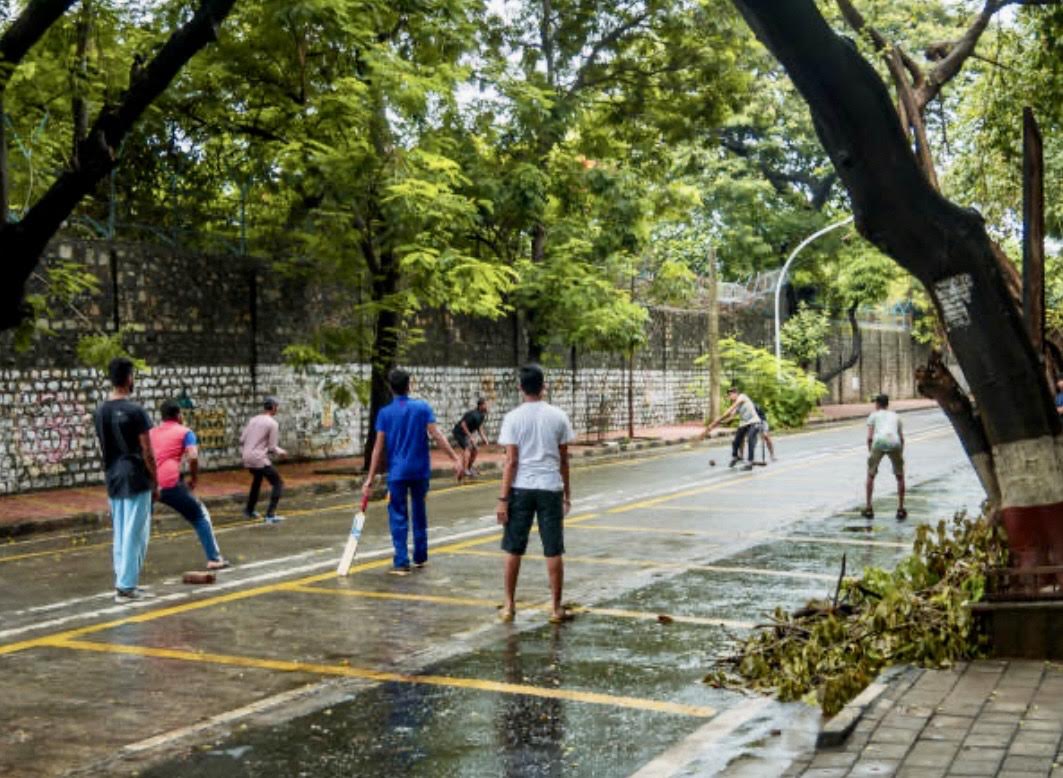
With diminishing playgrounds, children are left with limited options for outdoor recreation. Many are forced to play on crowded streets, exposing them to various hazards. Street play not only jeopardizes their safety due to traffic, but also deprives them of the physical and mental benefits that come from playing in a secure, green environment.
Experts say that the dearth of open playgrounds can have adverse effects on children's well-being. Physical activity is crucial for their growth and development, and losing access to playgrounds can lead to a sedentary lifestyle, contributing to health problems such as obesity and related issues. Bindu Puppal, a resident of Vadgaonsheri, another growing suburban area in Pune, shared her concerns: "I'm always anxious when my thirteen-year-old son goes out to play on the street. I have to restrict him due to safety concerns."
"Once upon a time, there were numerous open grounds for kids to enjoy and play freely. However, over the past five years, the landscape has changed drastically, with only two or three small playgrounds remaining in Viman Nagar," lamented Vishal Mane, a resident of Viman Nagar for the past fifteen years.
Children playing on the roads in densely populated residential areas are susceptible to accidents. Karan Solanki, an IT professional residing in Kharadi, commented, "It's extremely perilous for kids to play on the streets. I've personally witnessed kids getting injured and involved in accidents on the road, and it's truly horrifying."
Paving the Way for Paid Turfs:
The inadequate availability of playgrounds has given rise to private paid turf facilities where children pay to play. Due to the scarcity of open grounds, children who once enjoyed the freedom of open spaces and communing with nature are now left with no option but to play on artificial turf by paying fees.
Mukesh Singh, a resident near the artificial turf area of Somnath Nagar in Viman Nagar, expressed his sorrow: "It's disheartening to see kids confined to playing on turf. I feel sad that they won't experience the vast playgrounds where our generation used to play freely for hours without any constraints. Moreover, the space they have now is limited."
The issue of playgrounds in Pune's suburban areas has raised concerns among parents, educators, and community leaders. Many are advocating for stricter regulations to preserve existing open spaces and ensure that new construction projects allocate sufficient areas for recreational activities.
A regional party office bearer requesting anonymity stated, "We are making every effort to protect the remaining playgrounds and are in discussions with builders to address this issue. It's imperative for the new generations to have access to and play on open playgrounds without any financial barriers."
Maharashtra gets its first ‘ Village of Fruits’
-Team VUCCD-
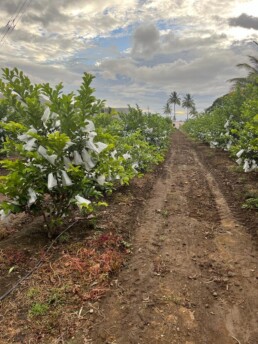
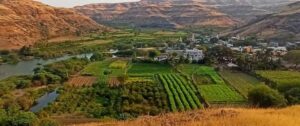
Maharashtra State has recently bestowed its first official title of 'Village of Fruits' upon Dhumalwadi village in Satara district, acknowledging the village's remarkable efforts in horticulture development spanning over three decades.
Dhumalwadi village's journey to earning this recognition has been one of resilience and progress, marked by the steadfast resolve to overcome challenges such as water scarcity, pest issues, financial hardships, and crop failures. Since the 1980s, the village has transformed into a thriving center for fruit cultivation, boasting an impressive array of over 19 fruit varieties. This transformation has resulted in an annual market turnover of Rs 25 crore. The youth in village don't migrate to other places in search of jobs, they create jobs for others.
Going against the grain, numerous villages in western Maharashtra have been engaging in horticultural experimentation. The majority of farmers in the region are inclined to sugarcane cultivation, but Dhumalwadi villagers decided to take a different path.


Fruits of labour
Initially, the Dhumalwadi’s focus was primarily on pomegranate cultivation, starting in 1985. However, a devastating outbreak of Telya disease, also known as Bacterial Blight, in the 1990s prompted local farmers to diversify into various fruit plantations. Today, approximately 90 percent of the village's population, comprising around 12,00 people, actively engages in horticulture.
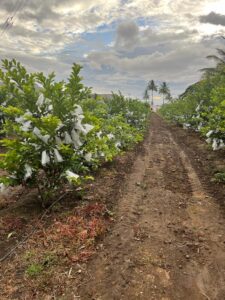
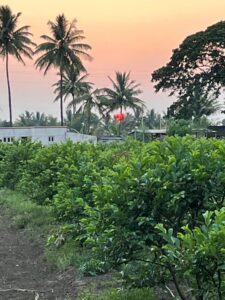
The village has successfully cultivated an impressive range of fruits, including mangoes, guava, custard apples, bananas, papayas, grapes, java plums, Indian gooseberries, pomegranates, blackberries, jackfruits, watermelons, tamarinds, and more.
“ Traders from different states visit Dhumalwadi to procure these high-quality fruits. We don’t have to look for a market to sell our produce” say villagers.
Fighting water scarcity
Despite contending with water scarcity, the villagers have demonstrated unwavering dedication to their agricultural endeavours.
With 371 hectares of cultivable land, including an impressive 258 hectares dedicated to horticulture, the village relies on various irrigation sources such as canals, bore wells, and a percolation lake.
Nevertheless, the villagers have not been deterred by water scarcity. Many have adopted micro-irrigation systems and organic fertilizers to maximize available resources. Some farmers are even considering the establishment of processing units for their produce.
In its award citation, the State government acknowledges the village's distinct identity in horticulture and commends the villagers for their substantial contributions in production, processing, export, and agro-tourism.
The answer
The National Sample Survey (NSS 2018-19) shows that 37 per cent of agricultural household income came from crop production and cultivation, compared to 48 per cent in 2012-13. Today, farmers are earning wages as daily wage workers, and also from animal farming, non-farm business, and leasing of land.
But Dhumalwadi villagers have stayed connected to their land and have found out the way to earn livelihood making farming a profitable venture!
================
Nejlepší online kasina pro skutečné peníze Česká republika 2024: Rychlé výplaty a bonusy
Nejlepší online kasina Česká republika za skutečné peníze: Online kasina o skutečné peníze jsou virtuální prostory, kde mohou uživatelé sázet a vydělávat skutečné peníze účastí v různých kasinových hrách. Tato kasina zahrnují transakce za skutečné peníze, na rozdíl od volné hry nebo demo verzí.
Online kasinové hry si můžete zahrát v jednom z nejlepších online kasin o skutečné peníze. Hráči mohou hrát různé hry, jako jsou sloty, stolní hry a hry s živými krupiéry, za peníze, které si na svůj účet vložili pomocí různých platebních možností.
Můžete si zahrát online kasina a přečíst si všechny recenze kasin, včetně nového online kasina zmíněného v článku, a poté si vybrat nejlepší online kasinové hry pro sebe.
Hráči, kteří vyhrají, si mohou ze svých výher vyzvednout odměnu v reálných penězích. Je důležité mít na paměti, že aby mohli hráči hrát online kasinové hry o skutečné peníze, musí být plnoletí a dodržovat zákony.
A konečně, výběr spolehlivých a autorizovaných herních platforem je zásadní pro vytvoření bezpečného prostředí. V online kasinech můžete snadno hrát o skutečné peníze. Pro zaručení bezpečného a spravedlivého herního zážitku je zásadní vybírat si legální kasina. V tomto článku najdete seznam nejlepších kasin na internetových stránkách online kasin v České republice.
Milovníci hazardních her mohou hrát o skutečné peníze, a to vše v nejlepších online kasinech Česká republika, která poskytují online kasinové hry. Uvedli jsme nejlepší online kasina. Všechna online kasina jsou legální a všechna online kasina nabízejí skvělé hry o oblíbené skutečné peníze.
Casino Point CZ: Nabízí nejlepší bonusy a propagační akce
Poskytovatelé softwaru: Casino Point CZ české online casino nabízí nejrůznější hry, např: Rival Gaming a BetSoft
Nejlepší bonusy a propagační akce: 250 % až do výše 5 000 €
Založeno v: 2017
Ačkoli bylo Casino Point CZ spuštěno teprve v roce 2017, jeho dozorový orgán působí v odvětví online hazardních her již od roku 1991. Stejní lidé, kteří vlastní TigerGaming Casino, Super Slots Casino a BetOnline, vlastní také Casino Point CZ.
Casino Point CZ je jedním z nejlepších online kasin, kde můžete hrát o skutečné peníze.
Jedná se o legální online kasino. Má také mobilní kasinovou aplikaci a je jedním z nejoblíbenějších kasin v České republice online kasina o skutečné peníze. Čtěte až do konce a najdete nejlepší nabídky online kasin o skutečné peníze a budete si moci vybrat svého favorita.
Stejně jako většina platforem používá Casino Point CZ jako bezpečnostní opatření dvoufaktorovou autentizaci (2FA) a Secure Sockets Layer (SSL). Generátor náhodných čísel 2FA, který Casino Point CZ používá, byl nezávisle ověřen online kasinem v České republice.
S více než 400 hrami tvoří většinu nabídky Casino Point CZ hrací automaty, kterých je více než 300 kusů. Video poker, stolní hry, živé kasinové hry a blackjack jsou další čtyři kategorie, do kterých jsou hry rozděleny.

Amidst the need of an inclusive environment, Pune gets a safe space for the LGBTQ+ community
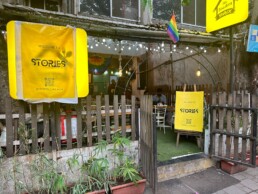
While the queer community in India are challenging the norms of society and fighting for their basic rights as citizens, in Pune the community has been experiencing winds of change where restaurants, cafes and other places now have started identifying themselves as ‘LGBTQ+ safe space’. In this chain one such cafe is ‘Stories Café’ which is not only a ‘Safe Place’ but also actively promotes the cause and awareness with zeel.
Safety From What exactly?
“We were sitting at a cafe, engrossed in our talks. One of my friends playfully tried feeding me a snack, this might have caught the eye of the owner. He came to our table and said, “Your Kind is not tolerated here.'' He seemed agitated and angry whereas we were just normal people trying to have a normal meal like everyone else, having no idea what we did wrong to have such a reaction from him. I was in shock trying to absorb what he just said, trying to make sense out of it.
I somehow gathered my strength and decided not to be ashamed of who I am, and stand for myself and my friends. Afterall we are just as normal as any other person sitting in that cafe. “First of all he’s straight and what do you even mean by your kind?” I said it in a quavering voice, That's all i could think of at that moment. Knowing he wont understand. When will people actually understand? “ Siddhant Kodlekere, openly gay man narrated one of the incidences which underlines the reaction LGBTQ+ community gets in the society.
A group of openly gay friends Sajid Bhatti, Siddhant (who identifies as non-binary), Raghav Tomar including Siddhant Kodlekere claimed that they are victims of bigotry. They alleged that they have been judged and mocked multiple times. Sajid claims that many times people make fun of him because of his feminine characteristics and the way he talks. “Why do you talk and behave like a girl?” such questions have become a standard reaction.” Sajid added that sometimes at public places people treat him like a woman and it bothers him.
Among many, instances like where Siddhant has cross-dressed at a public place or even an inconsequential act of Nail Art has become a reason for people's weird and insensitive reactions toward him . He believes that the mentality of people has to change towards the community. People don't have enough awareness about the topic and therefore they treat us like we are aliens. The society lacks sensitivity so incidents like these have now become a regular thing.
At the end of the discussion all of them came to a conclusion that they deserve every right that a heterosexual person has at public places. They stated “we want to dress and talk however we like, we want to plan events, we want to go on dates with our partners without facing insensitive reactions from the intolerant society.” There are no such places where we can truly be happy without being judged.
“This is the reason why we must have more safe spaces for the LGBTQ+ community where they can have freedom to express themselves' they added.
Stories Café bringing the change
Stories café is a recently inaugurated ‘safe space’ in Koregaon Park for members of the LGBTQ+ community. Shyam Konnur runs the unique hangout spot for the queer community and its allies. Shyam is also the founder of ‘Mist LGBTQ Foundation’ which is an online portal of lesbian, gay, bisexual, and transgender activists from all across India.

The LGBTQ community in the city have consistently struggled to find safe spaces. Given various phases of coming out that the community’s members go through, Shyam said that organizers need a safe area to promote involvement among their members. “Cities like Mumbai, Bengaluru, and Delhi already have their own queer safe spaces. Our café strives to be such a location in Pune, and proudly displays the pride flag outside,” he added.
Konnur always dreamed of building up an LGBTQ+ community center in India for people like himself, therefore he founded Mist LGBTQ foundation 14 years ago. He co-founded stories café with his partner Ram, Director Kamakshi and Raghav Tomar who’s a proud gay chef. “I wanted to start this initiative in Pune because I live here, But it’s not as easy as in other countries. The funds and donations are not easy to get from the people, organizations and government. The mindset here of social work is very different. That's why we needed to have sustainability as well as have a safe space for the community. I think this is fulfilling both, so we don’t operate as a restaurant, we provide a space where people can be themselves and plan events” Konnur said.
Mist LGBTQ Foundation has been working on several initiatives for the queer community, which includes HIV AIDS testing and other health related issues. The foundation additionally provides health insurance for the trans community and gives them basic education. Mostly it works to spread awareness about transgenders and empower them to get jobs by giving them proper training.
When asked about how people who identify as a homosexual or bisexual are being treated at the workplace Ram said “Sometimes people are assigned tasks and role which they are not comfortable with, therefore they have no other choice but to either train themselves in a limited time or quit. About how they are being treated by their colleagues at work there is still much more improvement needed.”
Konnor stated that Mist also provides mental support to the community members in two ways which are subsidized mental support and free mental health support. The therapies provided by the foundation are both virtual as well as on-site, people can book their slots through the website.
How does the café ensure Inclusiveness?
“We strictly follow policies that prohibit any form of discrimination", said Konnur .
"Visitors are expected to be respectful when they enter and not act inappropriately or make fun of other people, in case someone still misbehaves we politely ask them to leave. We’re excited to work with other organizations from the communities and aim to host a variety of events at the location. To help us all better understand one another, we hope that the café will serve as a link between the LGBTQ+ and other communities.”

He further added “right now we are working like a family, we have not implemented policies that force people to wear a certain kind of clothes. People can come here however they want even in their sleeping clothes and pajamas. Here in stories there is no dress code and people are not obligated to behave in a certain way. When it comes to our employees/staff they are allowed to work in flexible hours unlike other cafés. We also provide them insurance and leaves.”
Sex Education in academic institutions
Public discussion of topics of sex or sex-related issues is widely considered taboo or obscene within the Indian society, therefore, acts as a barrier to the delivery of adequate and effective sexual education to Indian students. This is one of the major reasons why people are not aware about different sexualities, such an information gap creates an intolerant society filled with homophobes and transphobes.
Shyam says “there should be sex education in schools and colleges. There are people who are working for the cause, Unfortunately we don’t recognize them and see their efforts. At the end of the day even if they design a curriculum about sex education & Sexuality it has to go for approval and a lot of process so it gets dismissed somewhere in the middle during this long procedure. This will be a long process especially if it has to come from the government although there are some International schools who are taking measures to educate students about sexuality.” “Even the teachers themselves don’t know that there is no national language in our country, they are not aware about their own constitution, so how do you even expect them to know about LGBTQ+ community?” He added.
Coming Out
“This question has come up a lot of times in the media. I came out of the closet in 2009, at that time the media was not very vocal about the community. Even section 377 was still a criminal offense, but Delhi High Court took it down the same year. Honestly speaking I didn’t go through any difficult phase during the legal procedure. But at the personal level I struggled a lot, I thought I was the only gay man in the whole world because at that time people were not much aware about the concept. Even the queer people themselves lacked knowledge, so I came out when I saw more queer people and became aware about the community. But eventually I came out to my family and friends because I shouldn’t be scared of who I am in the first place. I am out, proud and confident, " said Shyam.
https://www.instagram.com/p/Cj90_JmIffx/?utm_source=ig_embed&ig_rid=27b71ea2-7654-4a2d-a97f-55f2f91a9b6a
Shyam and Ram mentioned that as openly gay entrepreneurs they face multiple challenges. “We face challenges from the society, not the customers who come in, and the big businesses who pink-wash small businesses like us thinking that we are their competition. But in reality we are not their competition.” “Pink-washing is when a straight/Cis person is trying to create queer inclusive space with the financial strength they have. Through such strategies they try to steal business out of queer people and make money from the queer customers” both of them added.
Apart from these big entrepreneurs who try to steal their business, queer cafés like Stories also face revenue issues when straight people don’t visit their place due to their stereotypical homophobic nature since the whole environment of the café is openly queer. Shyam said that besides straight people who think places like Stories are strange there are also extremely shy queer people who are scared to visit. They think that somebody might recognize them because they are still in the closet figuring out their sexuality, scared about how their family or friends might react after finding out. Having said that, there are financial issues from both sides.
In addition to this both the founders stated that they don’t get any kind of help from the government especially when it comes to donations. “Everything is available on the paper but nothing has been implemented on ground level even when some MPs have already passed private member bills in our favor” both claimed. Queer foundations such as Mist usually have to earn revenue through their own businesses to continue with their operations which also includes HIV testing.
The co-owners added that even though there is a lot of competition in the restaurant business especially in places like Koregaon Park, it doesn’t bother them. Keeping up with the latest trends and marketing strategies is not their concern because their main goal is to provide a safe space and affordable food for the members of the community. “Our business is growing through good work and word of mouth,” they said.
Pune Pride 2023
This year there’s not one but two pride parades in Pune. First one was conducted on 23rd April 2023 and Second will be held on 4th of June, the LGBTQ+ community’s annual march, Pune Pride, will have its 11th edition, focusing primarily on social justice and the need to change gender norms.
Pune Pride has made the hard decision to keep politics out of the event and participants are simply asked to raise or carry slogans in support of community rights.
https://www.instagram.com/p/CrJPqSjvaQg/?utm_source=ig_web_copy_link
Mist is one of the few organizations responsible for conducting Pune Pride 2023. Shyam Konnur said “We noticed that the initial organization was not being inclusive. What’s the meaning of Pride? Pride is to bring the community together to organize it right? but unfortunately there was never the involvement of the community in organizing the event. that’s why the community this year has come together. Multiple organizations and individuals are interested in doing it.”
Supreme Court’s hearing on Same Sex Marriage
Between April 2023 to May 2023, India’s Supreme Court was hearing the closing arguments in a historic group of petitions seeking to legalize same-sex marriages. It is a collection of lawsuits filed by several LGBT couples that Prime Minister Narendra Modi’s government is opposing. According to freelance journalist Shalu Yadav, who has been following the trial from New Delhi says “These petitions are basically asking that the right to marry a person of one’s own choice should be extended to LGBTQ citizens as well.” The case has been concluded in SC but the final verdict is still pending.
On this topic Shyam said “I feel that marriage is a privilege right, everyone must have an access to it. Anyways there should be non-discriminatory laws around the country whether you’re married or not to be able to access the right. The people who are filling for same sex marriage know that it gives us additional rights like bank insurance, medical insurance, to meet your partner at hospital, property inheritance, adoption rights, etc. We need to fight for a much greater cause but marriage rights will surely be a cherry on the cake.”

Empowerment communication for climate change resilience and adaptation: By the farmers, for the farmers
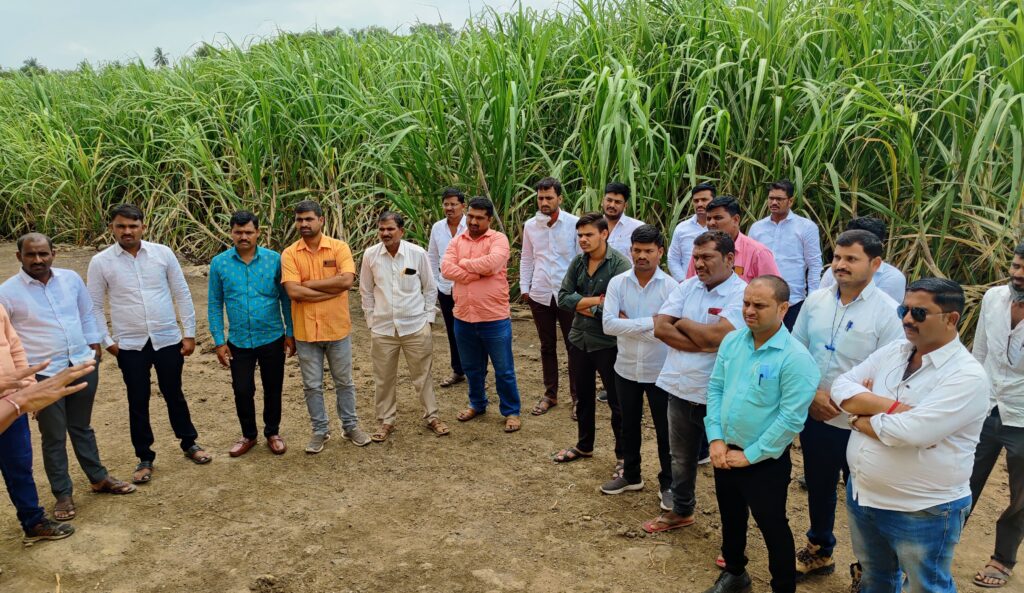
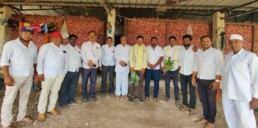
About 2000 Maharashtra farmers have developed a communication model using social media to address climate change, understand price volatility in the markets and support each other.
Shekhar Paigude (VUCCD)
Amol Bhosekar, a farmer from a tiny Galalimb village in Ahmednagar district of Maharashtra has been consulting with fellow farmers and experts to understand weather forecasting for his onion harvest.
Bhosekar cultivated onion on eight acres and decided to harvest in the first week of April after consultation with Vijay Jaybhaye, his counterpart from Pune district. Jaybhaye is a weather expert in the ‘Maharashtra Onion Farmers group’, a network of farmers in North and Western Maharashtra. This network runs a FB page, WhatsApp group, a YouTube channel and Clubhouse - a social audio app. Also, the network members have one-on-one discussions and field visits.
The network comprises of farmers in North and Western Maharashtra who have developed these extension programmes using social media and traditional forms of communication. Amol only follows this group while making vital decisions about his produce.
Amol told Vishwakarma University Centre For Communication for Development (VUCCD), “As located on the bank of Godavari river, we moved blindly towards Sugarcane. I never tried other options till I associated with the Maharashtra onion farmers group. Now I am a devoted follower of advice and consultation of group members. The group consists of experienced farmers who predict prices, weather experts, seed experts and climate change experts”.
He adds, “ Climate change has posed an unprecedented challenge before onion cultivators in the state. However, our group members who observed and experienced the changing climate patterns have suggested farmers like to post onion cultivation.”
Amol cites an example. “Considering an extension of Monsoon till November in the last few years, our group members collectively informed us to change the cultivation period. Earlier we used to cultivate onions in the first fortnight of November. Considering climate change, we have postponed the cultivation period to the first fortnight of December. It benefited us that we can save our crops from November Monsoon wrath. Even our crop gets done before April which saves us from the heat waves.”
The Foundation
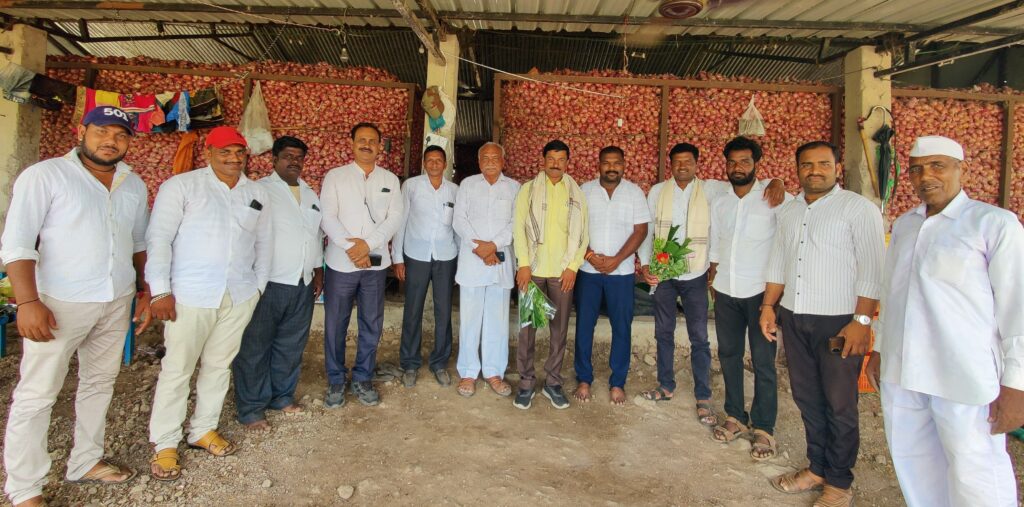
Maharashtra Onion Farmers Group (MOFG) is the participatory network started by onion farmers from Ahamadnagar, Nasik, Galgaon, Solapur, Jalgaon and Dule in 2019.
One of the founders of group Baban Nanabhau Fand Patil popularly known as B. N. Fand Patil in the group says that an idea was to connect farmers and exchange ideas, experiences and collective knowledge for sustainable agriculture and farmers empowerment.
He said, “We started this group in 2019. An earlier objective of the group was to build the network of onion farmers in the state. Later on it emerged as a multi-crop group where more than 30 crops get consulted. The group has all expertise in crop management and climate change resilience. Climate change is the biggest threat to small and marginal farmers and their livelihood. We have utilized experienced farmers’ knowledge regarding seed selection, water management, and weather forecasting to collectively build resilience and adaptation to changing weather conditions.”
Patil adds, “We have been using farmers gathering at farms, social media networks to inform the farmers. We have an active network of 2000 farmers in the state. We organise gatherings once in two months in which farmers share knowledge and ideas. It has resulted in collective agriculture practices. We succeeded in convincing farmers to postpone onion cultivation, which saved their crop from an extension of the monsoon in the past few years.”
Fand Patil claims social media platforms have empowered the group and farmers too. Access to information is quite instrumental in farmers' output. The group has a strong presence on online applications like Clubhouse. Fand Patil said, “ Farmers gathering is vital for sharing knowledge. But many times farm virtual meetings, WhatsApp, FB page deliver more as it give access to every farmer. Today our clubhouse programes have more than 600 registrations.”
Fighting Climate Change
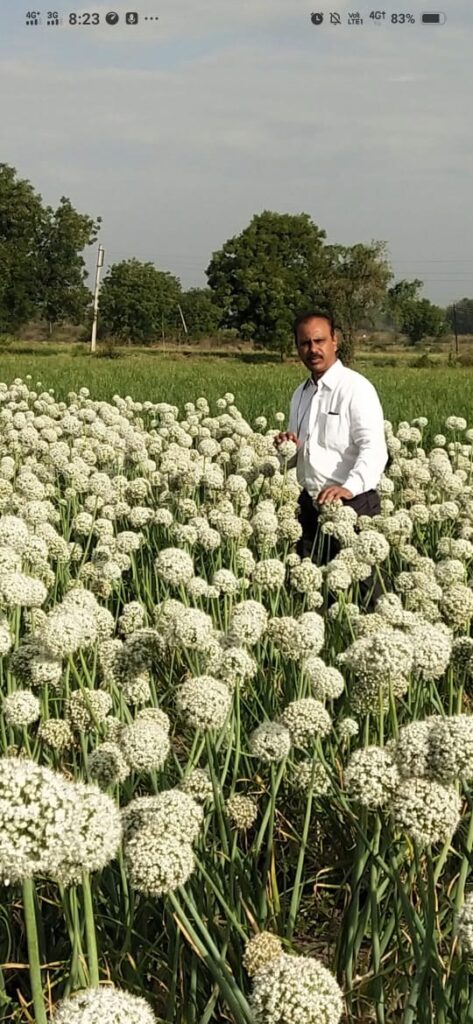
B N Patil with his experience and understanding has established resilience to climate change with changing agriculture practices. He studied weather patterns in his taluka and developed crop system.
He said, “ My taluka falls in drought-prone region of the district. W receive annual rainfall 480 mm. My father had cultivated horticulture crops. However, I studied rainfall and water levels of wells and percolation tanks for more than seven years from year 2005. On account of shortage of water for horticultural crops, I discontinued the practices and moves to less water demanding crops.”
Patil adds, “ I started cultivating crops like mung, bajara, soya, french beans which grow using less water. I started sharing knowledge with others in my own village and nearby villages. More than 100 farmers in my periphery of five villages have adopted new practices. Every Year after monsoon I check the water level of wells and percolation tank in the village and predict water availability for irrigation. This helped farmers in crop selection and water management.”
Weather Forecast
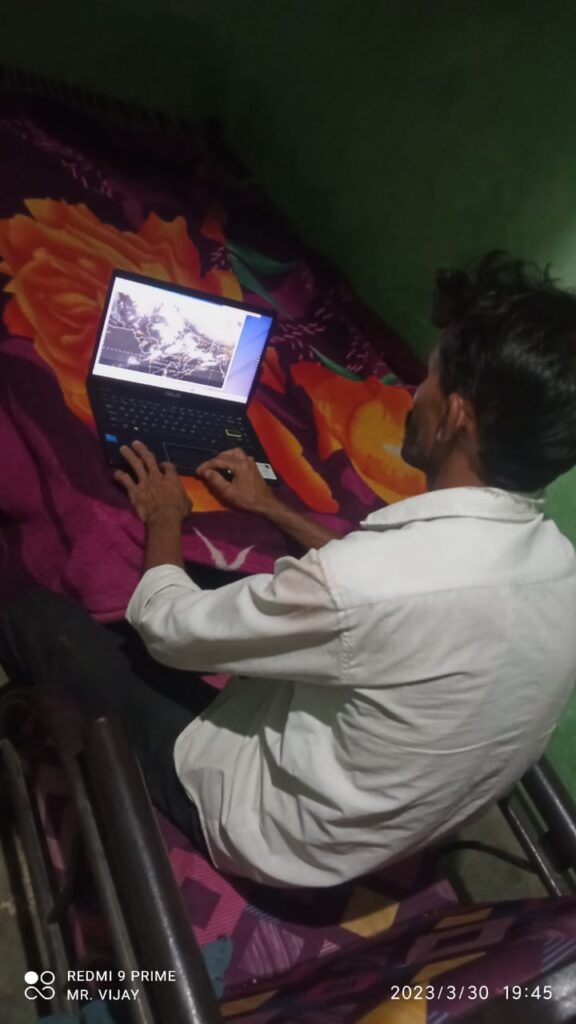
Weather forecasting is instrumental in changing agricultural environment. The group has a weather expert. Vijay Jaybhaye, technically sound farmer is equipped with modern gadgets like laptops and smartphone with good geographical understanding. Vijay uses satellites, reports, predictions and prepare regular content for farmers. Vijay said, “Weather forecasting is crucial in the crop management. I regularly keep watch on the wind direction, where low-pressure belt is being built, annual predictions and instant changes”.
He explains with an example. Ahmednagar district has been divided in two geographical parts where North has different weather conditions than South. “ Here I have to give taluka wise predictions. I use FB and Whatsapp to deliver content. Once a farmer has information, he can take precautionary measures. Climate change is directly related to weather. Hence, I have to be very much conscious while sharing information. Farmers in our group schedule harvest after consultations with us. Getting timely information can save farmers' losses which is utmost important.”
Seed Development
Seed developing is another important aspect in crop management. In the recent past, the state was in the headlines because of bogus seeds which led to farmers suicide cases. But the group farmers have started developing seeds for various crops. Farmers share seeds among themselves, which has reduced the dependency on the market.
Manish Kumbhekar one of seed developing farmers told VUCCD, “ I have developed seeds for onion, soya and wheat. After kind of training from government of state, I started developing seeds. I have been doing this for twenty years now. This network works on the basis of trust. Many farmers in our group have been benefited. However, we suggest seed variety considering their geography, quality of soil. It contributes in yields ”
Market Prices
An experienced farmer Shivaji Awate, another group member predicts market prices. An ordinary farmer, Awate has pricing data records more than 18 years of thirty crops. He gets at least twenty calls a day regarding crop selection for a better price for a season.
Awate said, “I conducted a session on clubhouse in July 2021 where 40 farmers participated. However, in the next session in July 2022, as many as 600 farmers participated. It has a really positive burden on me. I get many phone calls. Hence, I started a YouTube channel which has a base of 3000 farmers. As part of group, I suggest farmer for short span crops in Rabi season considering their market.”

Information dissemination is the key on the path of financial inclusion
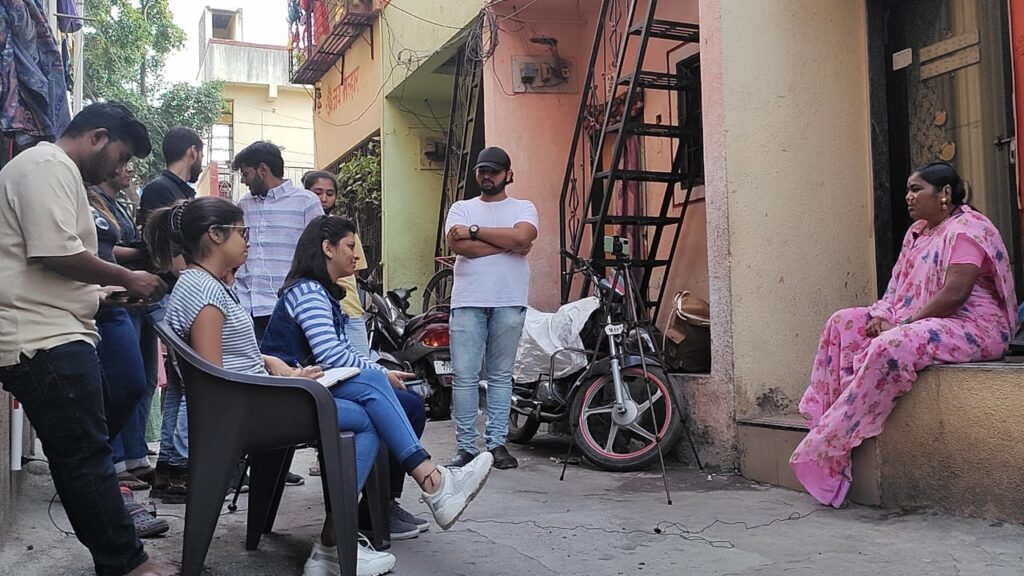
Authors: Manali Doshi, Richa Paunikar ( MA JMC - SY) & Shekhar Paigude, Assistant Professor JMC.
Introduction
The Reserve Bank of India’s ‘National Strategy for Financial Inclusion 2019-2024’ reiterates the definition of financial inclusion by the Committee on Financial Inclusion headed by Dr. C Rangarajan (2008). The Committee defined financial inclusion as “the process of ensuring access to financial services, timely and adequate credit for vulnerable groups such as weaker sections and low-income groups at an affordable cost”.
The Committee on Medium-Term Path to Financial Inclusion (Chairman: Deepak Mohanty, RBI, 2015) further explained the concept as “ convenient access to a basket of basic formal financial products and services that should include savings, remittance, credit, government-supported insurance and pension products to small and marginal farmers and low income households at reasonable cost with adequate protection progressively supplemented by social cash transfers, besides increasing the access of small and marginal enterprises to formal finance with a greater reliance on technology to cut costs and improve service delivery, ….” (1)
India’s rapid progress in financial inclusion has been accelerated by the Pradhan Mantri Jan Dhan Yojana (PMJDY) but credit penetration poses a policy challenge. (2)
Despite penetration of traditional and new media across all strata of the society, information and knowledge dissemination remains a major challenge.

The study
The study titled ‘Financial Inclusion of Domestic Maids’ was conducted in the month of December 2022 in the Upper Indira Nagar area of Pune city by VUCCD. The group of 48 women participated in the study. All of them work as domestic housemaids and come from lower economic strata. The class and caste intersections make them vulnerable to exploitation in all forms.
There are many government schemes like PMJDY, Atal Pension Yojana, Jeevan Jyoti Bima Yojana aimed at financial inclusion and the welfare of citizens in the unorganized sector. The survey contained questions from having bank accounts to information sources for government schemes. The effort was to understand how financial inclusion has percolated to the lowest strata.
The outcome
The survey revealed that 91.6% of women have bank accounts while 8.3% still don’t have any bank accounts. The government has given a major push to the schemes where women are encouraged to open and handle their bank accounts. But many women from the vulnerable social- economic group still remain away from the basic criteria like a bank account to be part of the financial inclusion drive.
About 58 % of women who responded to the question of whether they operate their bank account said that they themselves operate their bank account and not jointly with their husband or allow their husband to operate. But 6 % said that their husband operates the account. Financial literacy plays a major role in women's empowerment and handling their own money is the key to the process of empowerment.
About 38% of women (the highest among the surveyed women) use bank accounts for savings. While 11% use it for banking services. “ When women earn, they save for the family, pay children’s school fees, and also save for medical emergencies. You can witness this in any city or village where women are earning” says Osmanabad-based activist Sunanda Kharate who works with abandoned and single women.
When Kondhabai Kamble from the locality told the VCCCD team, “I opened a bank account. However, my purpose was not saving, but opting for a loan for my daughter's marriage.”
Interestingly 41 % of the surveyed women said that they don’t have an ATM card while the same number of women said they have a card. According to the union government over the past few years digitization ushered in by the Jan Dan-Aadhar-Mobile (JAM) trinity and Aadhaar—financial inclusion has become a reality for Indians. “ This has only been furthered by the Unified Payments Interface (UPI), which has witnessed extraordinary adoption. UPI recorded over 4.2 billion transactions worth Rs 7.7 trillion in October 2021” according to the government. (3)
But interestingly, when asked if they are aware of PMJDY, over 81 % of women answered negatively. This could be a cause for concern considering the government’s efforts to accelerate financial inclusion. PMJDY is National Mission for Financial Inclusion to ensure access to financial services, namely, basic savings and deposit accounts, remittance, credit, insurance, pension in an affordable manner. Under the scheme, a basic savings bank deposit (BSBD) account can be opened in any bank branch or Business Correspondent (Bank Mitra) outlet, by persons not having any other account. (4)
As many as 47.8 crore Jan Dhan accounts have been opened across the States so far after the scheme was launched in 2014 as a national mission for financial inclusion.(5)
When it comes to loans, 40 % of women said that they have opted for a loan from Self Help Group (SHG). This reflects the popularity and importance of small saving groups. Women find it easy to approach SHG which is accessible to them. SHG chief Chanda Dinkar said, “Bank Loans aren't affordable for us as the interest rates are too high for common women like us.
When it comes to government schemes, 40 % said that they don’t know anything about the schemes while others had different sources of getting information. Many of them rely on their peer leader (23%) while others depend on various sources and mediums including social media and newspapers.
Conclusions
Information dissemination remains a cause for concern when it comes to communicating government schemes to the neediest and most marginalized communities. The use of social media is proliferating and also the sources of information are multiplying. The user-generated content is on the rise. But amid the cacophony of content, the message is lost. Especially, when it comes to the financial inclusion of marginalized communities.
Marginalization is the deprivation of people, communities, and groups – it is the exercise of control over their resources and lives, preventing them from becoming part of the development story. Marginalization is a process of disempowerment and people experience marginalization in different ways. But even marginalization is understood from an androcentric perspective, which is a male-centered understanding and explanation of the concept. (6).
Our study reveals that special focus is required to design and disseminate media messages for the financial inclusion of marginalized women. These messages will not only facilitate the financial inclusion of women, but also strengthen their struggle for empowerment.
=========================================================================================================================
References:
- National Strategy for Financial Inclusion 2019-2024, retrieved from https://rbidocs.rbi.org.in/rdocs/content/pdfs/NSFIREPORT100119.pdf
- Press Information Bureau, retrieved from https://www.pib.gov.in/PressReleseDetail.aspx?PRID=1843259
- Ibid
4 . Pradhan Mantri Jan Dhan Yojana, retrieved from https://www.pmjdy.gov.in/scheme
- NDTV, retrieved from https://www.ndtv.com/business/budget-2023-47-8-crore-jan-dhan-accounts-opened-n-sitharaman-3742162
- Jadhav Radheshyam, Living on the Edge, Speaking Tiger, 2022.

Band Bandh
Story of 2 persons whose work is their life. When the generation to generation has devoted their life in band but now because of Dhol Tasha Pathak and DJ system no one is really interested to call them in there happy moments. One who has learnt nothing other than band and the person who is finding it hard to adjust in this.
Credit: -
• Director – Richa Paunikar
• Produced by – Vishwakarma University Pune, Department of Journalism and Mass Communication
• Assistant Director: - Siddhi Shirude
• Interviews by: - Richa Paunikar, Manali Doshi, Aanush Wankhede
• Cinematographers: - Raj Kalekar, Pratham Solanki, Naman Bhageria
• Editing: - Richa Paunikar
• Production and Set Design: - Avani Pai, Manali Doshi, Harnisha Desai, Aanush Wankhade.
Video link: https://youtu.be/ljCzNbeAYns


A Messiah’s Destiny

Simran Kadam
Pune
*Names of the persons in the story have been changed, respecting their privacy.*
Betty Chavan was born in the year 1928 in British India, Bombay. Growing up as an obese child, she was married off at age thirteen to a coeval boy called Sawant. Betty Sawant lived peacefully with her in-laws for two-three years until her mother-in-law forced the couple out of their house. The reason being both were unemployed at the age of sixteen.
In Mahim, Betty started working in houses to earn money that wouldn't leave them hungry. She woke up early in the morning daily to mop floors and wash clothes and dishes in other homes. And come back to the rental house in the afternoon where the two lived to complete her house chores. Afterwards, she would return to her job in the evening and come home at night.
Gradually by saving money, she bought a small home for themselves and utensils to cook. But her husband's unfaltering cries for alcohol and cigarettes enervated her.
Betty's obesity did not allow her to bear a child for six years. Her mother-in-law was worried about her inability until she gave birth to her first child, Tina, after six years of marriage.
A daughter with crippled legs.
Betty went to her father's home, she had lost her mom at the tender age of her dependent childhood, and her sisters took upon motherhood. Twelve days later, Betty went to her mother-in-law's home, where she would keep her daughter under the lady's eyes and go to work. But the contemptuous lady only hurled curses at Betty.
'Now that you have given birth, you bore a disabled child.'
Betty would go to her job and come home to massage her daughter's weak legs daily. She visited Mount Mary's Basilica in Bandra and prayed for the healing of her daughter's disability. The routine continued for three years until Tina, her daughter, took her first step and made both women happy.
Betty worked harder to feed her daughter's little belly and take care of the lady while also meeting the cigarette and alcohol demands of her husband.
Betty gave birth to another daughter and four sons in the coming years.
"Now there are more bellies to feed. What will you do?" asked the husband.
So Betty walked three and a half kilometers daily from Matunga to Mahim for a new job that paid her Rupees 50 after completing her and other house chores.
However, the duty of a housekeeper was not of respect. The sisters of Mahim High School complained of her always being late to work. When she thought she could escape bullying from her home, she faced it again at work. The sisters of Mahim High School fired Betty.

A saying goes, “A brave woman is not defined by the challenges she faces, but by the grace and courage with which she overcomes them.”
Betty filed a case against the sisters in court for bullying her and never granting leaves to the housekeepers of the high school. They got paid fifty rupees, which did not equal the labour-intensive work and ill-treatment the women faced at the school. She won the case.
Funds increased, leaves granted, and jobs turned permanent for the other maids who still worked there. But Betty, who had become the messiah of the poor maids, didn’t go back to high school.
The messiah shifted to Sion with her family of a husband and six children. The husband worked in a church as a priest's assistant in exchange for a room and food but no salary. The house given to them had little space in the open, so they built a room and set it for rent. Gradually by saving money from the rent, they married off all their kids. The son's preferences stood rejected in front of the messiah.
The oldest son married the woman of the messiah's choice. Later his wife left him because of his inconsistent commitment to jobs.
The second son liked a girl who sang in his church choir. "She was so beautiful that she was fairer than the word 'fair,' we called her lizard because of her pale skin. And her beautiful black hair reached below her waist," said the messiah's oldest granddaughter and Tina’s first daughter.
Whenever she sang, Tina’s spouse would tease the oldest son saying, "Look, your lizard." But the messiah rejected her second son's choice and got him married to another woman.
The third son never showed his love in the open, so he never married her but married the messiah's choice.
The fourth and youngest son wanted to be a boxer and liked a girl who trained with him in the same academy. "She was fair too, with a cute face and long hair. She even worked." Regardless, the second son couldn't marry the woman of his dreams, nor could he chase his boxing dreams.
Tina supported every decision of her messiah and never spoke a single word against her while the second daughter was still young to give an opinion. All the sons lived individually in their houses with their families, leaving the messiah and her husband alone in a rented room. Not a single child supported the messiah financially.
It was the age of increased economic, and the messiah fell ill often because of senescence. The husband and wife sold off their church house, which caused a spark of anger between them and their sons. The sons fought for the money from the house, while the married daughters didn't wish for any sum.

The husband's health deteriorated and needed medical attention. The oldest daughter Tina came for her father's care and hospitalised him in a clinic, but the father gave up on his age and left the messiah alone.
In Sion, a builder constructed a building where her house stood, but the kind builder offered her a flat to accommodate. Her flat never had electricity, the fans never worked, and the apartment never had lights because her sons never paid the electricity bills. The sons individually would provide her with 100 rupees for a month, but the sum never paid for her necessities. She filled her stomach with boiled potatoes every day.
The Messiah filed a case against her sons for ill-treatment and low compensation. Her oldest granddaughter urged the sons to increase the monthly sum to 600 rupees which helped the messiah to live a sounder life. The granddaughter brought the messiah to Nashik, Velankini and Bangalore, as she had never been out of Mumbai. The messiah was never grateful to a human being other than her granddaughter.
The messiah's two daughters would often help their mother, which improved her life significantly. However, old age made her succumb to illness frequently, leaving her to constant attention. The oldest son was alone after his family left him and would live anywhere he found a place. So he moved in with his mother to help himself and her. He worked and looked after the house, and the daughters helped improve the now-old messiah's health.
The second son's family committed suicide because they owed a heavy debt to money lenders. The messiah lost her son, daughter-in-law and fifth 20-year-old grandson to money which sent her into depression. Forty days later, she lost her oldest son to a cardiac arrest which severed her depression.
The Messiah was scared to live alone and slept outside at the door of her apartment. She couldn't recognise the faces of people she knew. Her deteriorating mental health made her children hire a maid to look after her. The going got worse, and the messiah lost her maid too. No one could attend to her health because the oldest daughter was too aged, and the sons were not ready to take responsibility.
They sent the messiah to an aged home.
Nonetheless, the aged home didn't aid the messiah adequately. She requested to list her old house for sale so she could use the proceeds to invest in a better-equipped elderly care facility. The sons were not ready, but the daughters fought for their mother's wish. They would visit her with piping-hot food, but the sons couldn't see her because of their resisting wives. And so the messiah's wish never reached fulfilment.
A worker in the nursing home bullied the messiah by confiscating her food, and she would weep to her daughters about the woman. The daughters complained about the bullying, but they never received a resolution. For two years, the old messiah stayed in the nursing home, facing bullying and careless behaviour until the day she fell severely ill. The workers called the daughters to inform them of hospitalising their mother for the past eight days.
The daughters visited with the messiah's siblings daily to ensure she got what she needed. She kept her equation good with her siblings throughout her life. She never asked for money, nor did they because they knew her condition. While lying on her hospital bed, the messiah often told her brother, "Brother brother, please bring me dhokla," as it was her favorite food.
After living a life of hardships and ill luck, Betty breathed her last to meet her husband on the 1st of March 2018 at age 90.


When hearing a glum story, we sympathize with the protagonist's destiny, but we often neglect the cause of its end, and when we pay attention to it, the protagonist turns out to be the reason.

( Simran Kadam is a student of TYBAJMC at Vishwakarma University)
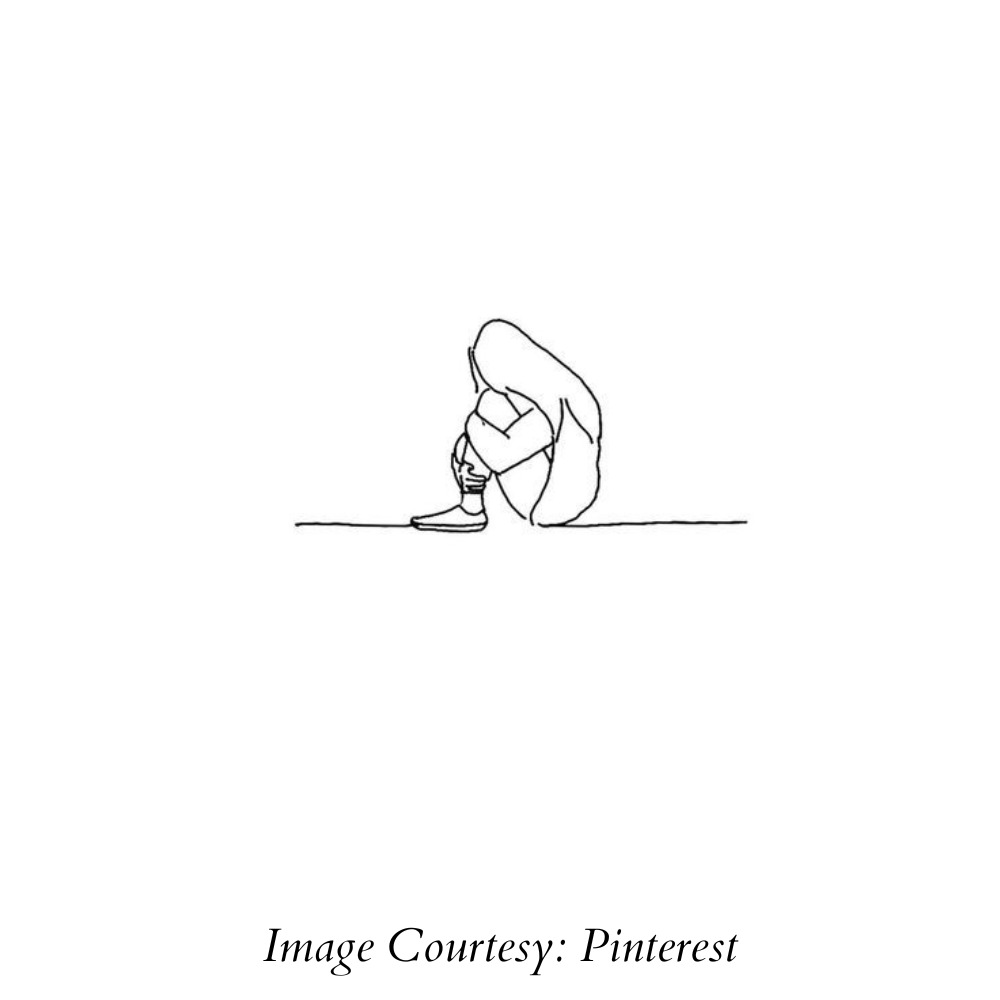
Pic courtesy: Jane Massey, sue(1960), Pinterest)